Share Post


Sri Lanka's state-owned enterprises took more money from the Treasury last year than they returned to it. That is not the verdict of a critic. It is what the government's own Annual Report for 2025 shows. State enterprises paid back fifty-six-and-a-half billion rupees in levies and dividends. They received almost a hundred and four billion in budgetary support. In the year the government has called its most disciplined in decades, the so-called profit-making state sector was a net drain of around forty-seven billion rupees on the public purse.
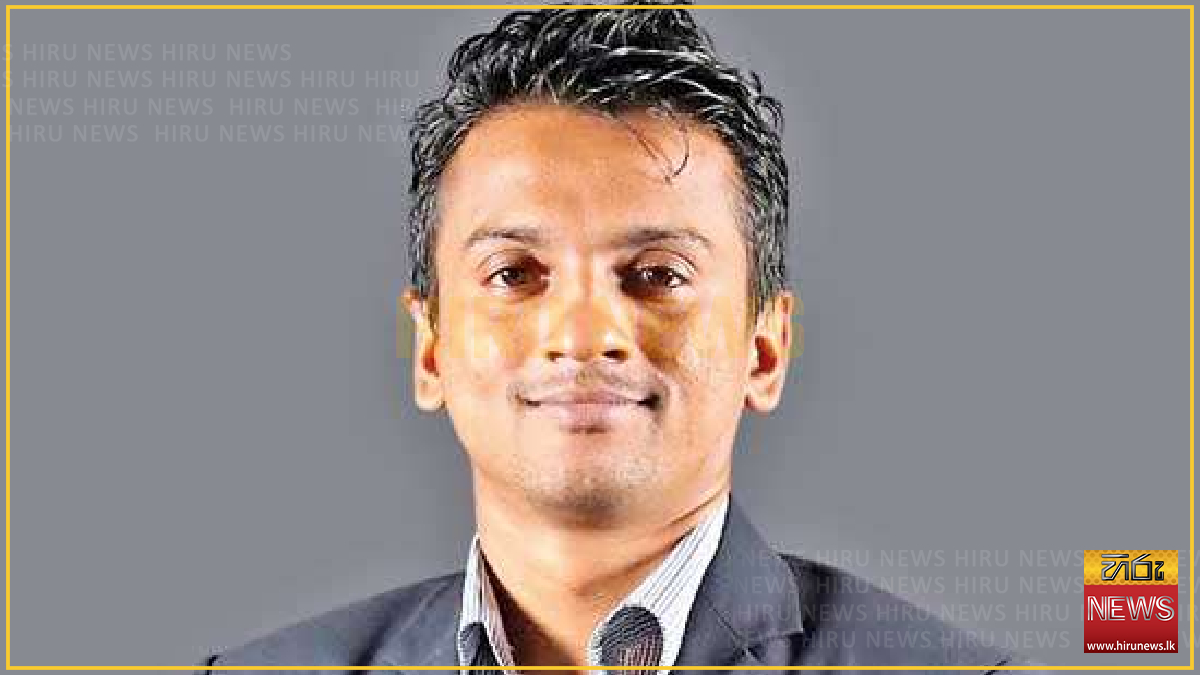
The headline number from the report is impressive on first reading. The fifty-one strategic enterprises the Treasury actually reports on posted a combined profit of four hundred and forty-four billion rupees. But the figure begins to lose its shape the moment it is set against the assets these enterprises sit on. Those sixty-one institutions are holding assets worth around sixteen trillion rupees, almost half of the entire economy. The profits they generated were only about two-point-seven percent of GDP. For Dhananath Fernando, the economist and chief executive of the Advocata Institute, that ratio is the single clearest indictment of how the state sector has been run. Half the economy is parked in entities returning almost nothing.
The profits that do exist are also dangerously narrow. Nearly seven of every ten rupees of state enterprise profit came from banking and finance, much of it resting on public deposits and pension funds, with Bank of Ceylon alone accounting for more than a quarter of the sector. Beyond that, the bulk of what remains is concentrated in monopolies and heavily regulated entities like insurance and the lottery. Wherever the state has to actually compete, Fernando notes, it bleeds. Construction, marketing, distribution, retail and media are all losing money at scale.
The sharpest finding is what happens between these enterprises and the Treasury. The four hundred and forty-four billion rupees of profit is not, in any meaningful sense, money in the government's pocket. Only fifty-six-and-a-half billion was actually transferred to the Treasury as dividends and levies. In the same year, the Treasury was asked to send back almost double that, a hundred and three billion, as budgetary support. Add the sixty-nine billion in losses absorbed elsewhere in the sector and the total burden on the public purse climbs to around a hundred and seventy billion rupees, even after netting off what the Treasury received. As Fernando puts it, that is roughly sixty percent of the entire Aswesuma welfare programme, which exists for the poorest of the poor.
A second layer of artifice runs through the headline figure. Several of the largest reported profits exist only because the Treasury wrote the cheque. The Water Board posted a thirty-one-and-a-half billion rupee profit after a capital injection of more than forty-five billion. SriLankan Airlines was handed twenty-five billion in fresh equity and still lost twenty-three. The national carrier is now balance-sheet insolvent, with accumulated losses of six hundred and thirty-nine billion rupees, and has been flagged for serious loss of capital five years running. On transparency, the picture is starker still. Of an estimated five hundred and twenty-seven state entities, only around fifty are reported on at all. The Electricity Board, the Water Board, the Transport Board, Lanka Sathosa and the state broadcasters are among those that failed even to submit audited accounts.
The government has pointed to a primary surplus and falling debt ratios as proof of recovery. But the report itself concedes that much of last year's revenue came from a one-off surge in vehicle imports worth roughly eight hundred and fifty billion rupees. The IMF, in its latest review, has already brought the primary surplus target for the current year down to about 1.4 percent of GDP in recognition that the windfall will not repeat. Vehicle imports will continue, but nowhere near the scale that defined 2025. Without that sugar rush, the discipline of the past year becomes harder to defend on the same terms.
A record per-capita income, a primary surplus and a declining debt ratio are all real, and worth noting. But underneath them sits a state enterprise sector holding assets worth half the entire economy, returning almost nothing, leaning on the Treasury rather than feeding it, and a surplus the government itself admits will not come again.
The headline number from the report is impressive on first reading. The fifty-one strategic enterprises the Treasury actually reports on posted a combined profit of four hundred and forty-four billion rupees. But the figure begins to lose its shape the moment it is set against the assets these enterprises sit on. Those sixty-one institutions are holding assets worth around sixteen trillion rupees, almost half of the entire economy. The profits they generated were only about two-point-seven percent of GDP. For Dhananath Fernando, the economist and chief executive of the Advocata Institute, that ratio is the single clearest indictment of how the state sector has been run. Half the economy is parked in entities returning almost nothing.
The profits that do exist are also dangerously narrow. Nearly seven of every ten rupees of state enterprise profit came from banking and finance, much of it resting on public deposits and pension funds, with Bank of Ceylon alone accounting for more than a quarter of the sector. Beyond that, the bulk of what remains is concentrated in monopolies and heavily regulated entities like insurance and the lottery. Wherever the state has to actually compete, Fernando notes, it bleeds. Construction, marketing, distribution, retail and media are all losing money at scale.
The sharpest finding is what happens between these enterprises and the Treasury. The four hundred and forty-four billion rupees of profit is not, in any meaningful sense, money in the government's pocket. Only fifty-six-and-a-half billion was actually transferred to the Treasury as dividends and levies. In the same year, the Treasury was asked to send back almost double that, a hundred and three billion, as budgetary support. Add the sixty-nine billion in losses absorbed elsewhere in the sector and the total burden on the public purse climbs to around a hundred and seventy billion rupees, even after netting off what the Treasury received. As Fernando puts it, that is roughly sixty percent of the entire Aswesuma welfare programme, which exists for the poorest of the poor.
A second layer of artifice runs through the headline figure. Several of the largest reported profits exist only because the Treasury wrote the cheque. The Water Board posted a thirty-one-and-a-half billion rupee profit after a capital injection of more than forty-five billion. SriLankan Airlines was handed twenty-five billion in fresh equity and still lost twenty-three. The national carrier is now balance-sheet insolvent, with accumulated losses of six hundred and thirty-nine billion rupees, and has been flagged for serious loss of capital five years running. On transparency, the picture is starker still. Of an estimated five hundred and twenty-seven state entities, only around fifty are reported on at all. The Electricity Board, the Water Board, the Transport Board, Lanka Sathosa and the state broadcasters are among those that failed even to submit audited accounts.
The government has pointed to a primary surplus and falling debt ratios as proof of recovery. But the report itself concedes that much of last year's revenue came from a one-off surge in vehicle imports worth roughly eight hundred and fifty billion rupees. The IMF, in its latest review, has already brought the primary surplus target for the current year down to about 1.4 percent of GDP in recognition that the windfall will not repeat. Vehicle imports will continue, but nowhere near the scale that defined 2025. Without that sugar rush, the discipline of the past year becomes harder to defend on the same terms.
A record per-capita income, a primary surplus and a declining debt ratio are all real, and worth noting. But underneath them sits a state enterprise sector holding assets worth half the entire economy, returning almost nothing, leaning on the Treasury rather than feeding it, and a surplus the government itself admits will not come again.
Latest News
SAARC CCI President, Chandi Dhakal meets Yunnan Province Governor
Local
11 June 2026

China cancels high-level meetings with EU
Local
11 June 2026

Payable to expand digital payments after Short Circuit acquisition
Local
11 June 2026

Commercial Bank launches ‘ComBank GIG+’
Local
11 June 2026

Writ petition by Suresh Sallay postponed to July 10
Local
11 June 2026
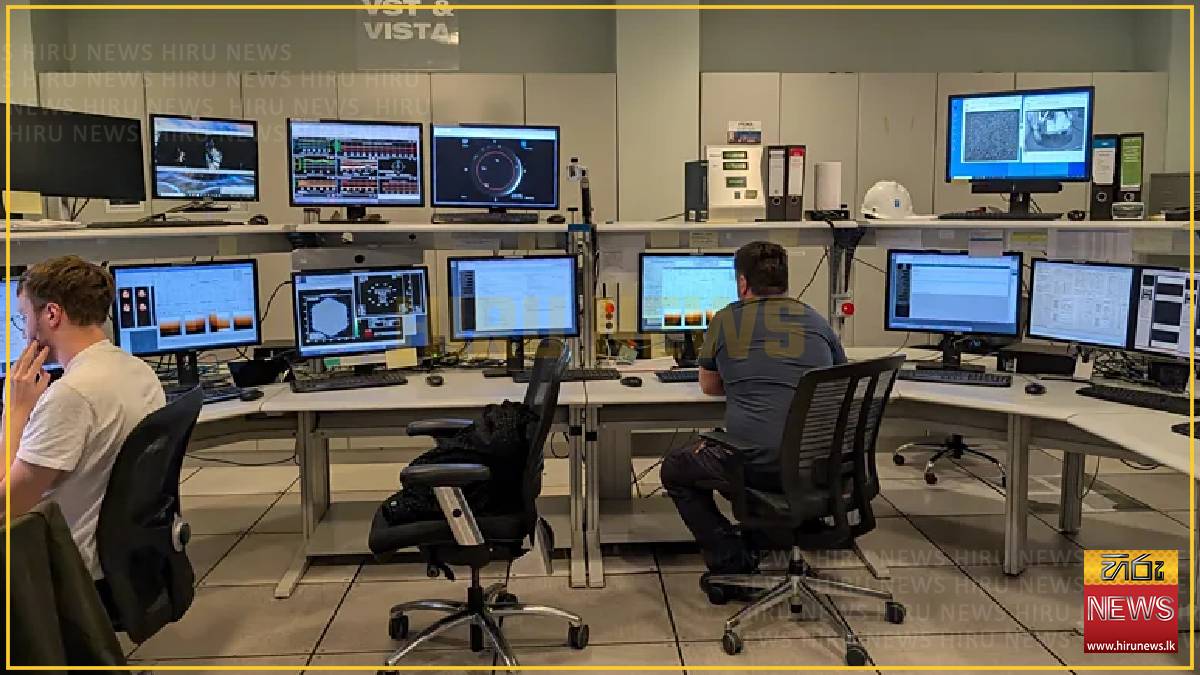
In the Atacama Desert, astronomers live and work in a James Bond villain lair
Local
11 June 2026
CSE drops by 191.45 points
Local
11 June 2026
Senior citizens’ allowance delayed, says Dayasiri
Local
11 June 2026
Exclusive: Sri Lanka's "profit-making" state sector enterprises took more from the treasury than it gave back – Dhananath Fernando on SOE performance
Local
11 June 2026
Exclusive: "You shouldn't trap what you are trying to attract" – Dr W. A. Wijewardene on Sri Lanka's foreign currency inflows
Local
11 June 2026