



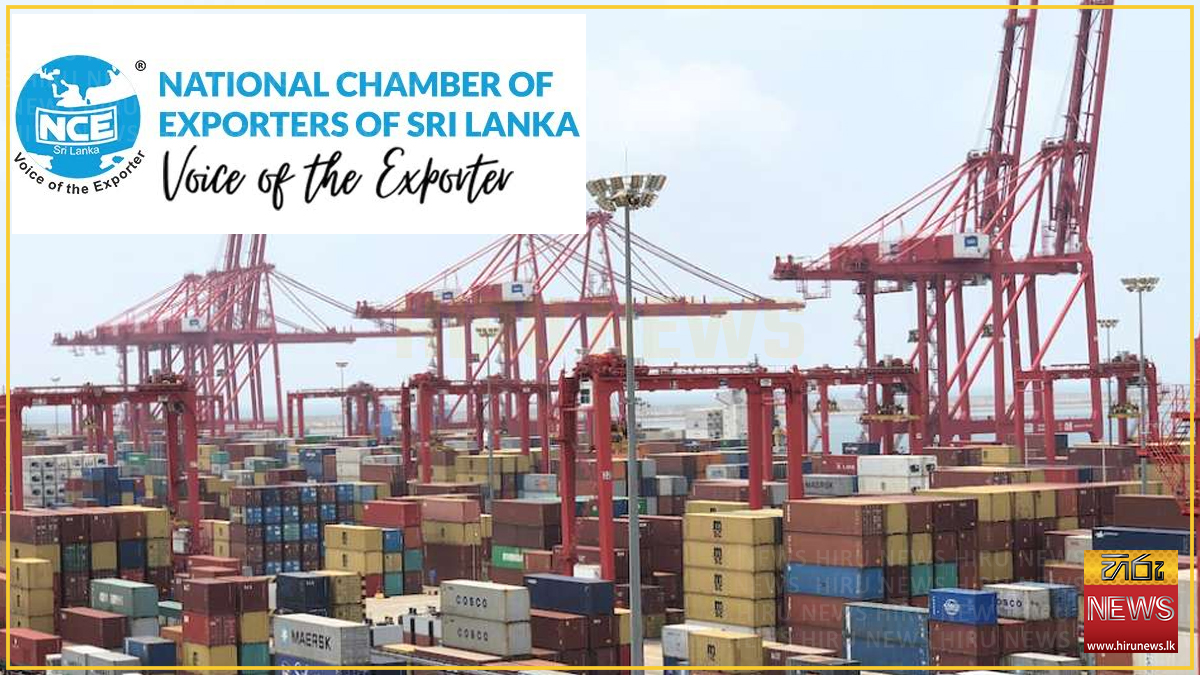


The National Chamber of Exporters of Sri Lanka (NCE) has expressed concern over the lack of prior consultation with industry stakeholders before the introduction of new foreign exchange regulations that significantly reduce the timeframe for exporters to retain foreign currency earnings.
The concerns follow a recent Gazette Extraordinary issued by the Central Bank of Sri Lanka, which requires exporters to convert foreign currency proceeds held in designated accounts by the tenth day of the following month, a notably shorter retention period than previously allowed.
While reaffirming exporters’ commitment to complying with repatriation requirements, NCE members questioned why a policy with direct implications for the export sector was introduced without engagement with exporter representative bodies or wider industry stakeholders.
Feedback from NCE sectoral heads and council members indicates concerns regarding the operational, financial, and competitiveness impact of the new requirement. Members also raised questions over whether relevant institutions involved in export development and promotion were consulted, and whether a comprehensive impact assessment was conducted prior to implementation.
The concerns come at a time when Sri Lanka’s export sector continues to record growth. Total exports from January to April 2026 are estimated at US$ 5,784.38 million, reflecting a 4.3% increase compared to the same period in 2025. Merchandise exports during the period amounted to US$ 4,524.62 million, up 4.8% year-on-year.
Members noted that exporters typically retain foreign currency balances for legitimate operational needs, including raw material imports, machinery and equipment purchases, spare parts, overseas marketing, and settlement of foreign currency obligations.
Sri Lanka’s total import expenditure rose by 25.2% year-on-year to US$ 8.23 billion during the first four months of 2026. Intermediate goods imports increased to US$ 4.7 billion, including fuel imports of US$ 2.17 billion.
Textile and textile article imports amounted to US$ 899.4 million, followed by plastics and articles at US$ 205.6 million, and rubber and articles at US$ 95 million. Investment goods imports reached US$ 1.52 billion, including US$ 934.2 million for machinery and equipment.
NCE members further noted that many export industries operate on seasonal production and procurement cycles, meaning export proceeds received at one time are often required months later to finance future orders. They warned that mandatory conversion within a shorter timeframe could disrupt cash flow management and business planning.
Concerns were also raised over potential additional costs arising from forced conversion and re-purchase of foreign currency, exposing exporters to exchange rate fluctuations, bank spreads, and transaction costs.
Exporters with foreign currency-denominated loans highlighted further risks, noting that mandatory conversion could force them to repurchase foreign currency for debt servicing, increasing exposure to currency volatility and liquidity pressures.
In response, members proposed introducing greater flexibility within the regulatory framework. One suggestion was to allow exporters to retain foreign currency balances where future requirements can be demonstrated, including for imports, loan repayments, and other operational needs, subject to bank-approved projections.
Official data indicate that Sri Lanka’s merchandise trade deficit widened to US$ 3.7 billion during the first four months of 2026, compared to US$ 2.3 billion in the same period of 2025, reflecting stronger import growth relative to exports.
The NCE reiterated its support for compliance with repatriation regulations and national economic objectives, while emphasising that policy measures affecting exporters should not impose disproportionate burdens on key foreign exchange earners.
The Chamber stressed that foreign exchange management policies are most effective when developed in consultation with directly affected stakeholders, and called for greater engagement with exporter representative bodies in future regulatory decisions.
Latest News
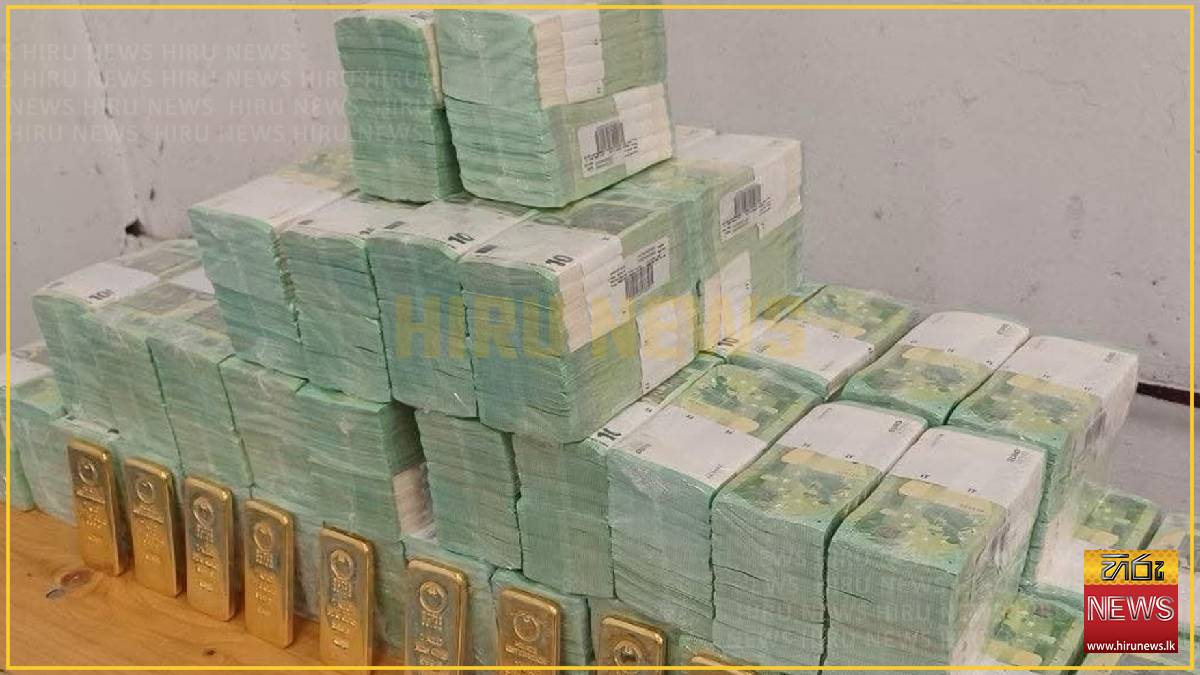
Hungary launches probe into seizure of Ukrainian cash and gold
Court to hear Gotabaya Rajapaksa's petition tomorrow

Yoshitha brought to court

UK PM calls Channel incident 'reckless'

Norway's crown princess undergoes successful lung transplant

Asia drives global aquatic production to record high

Six-year ban imposed on Star Entertainment ex-CEO

Telegram challenges India ban over exam paper leak fears

US shift on Ukraine war seen more realistic by G7 leaders

SpaceX shares surge after world's biggest IPO