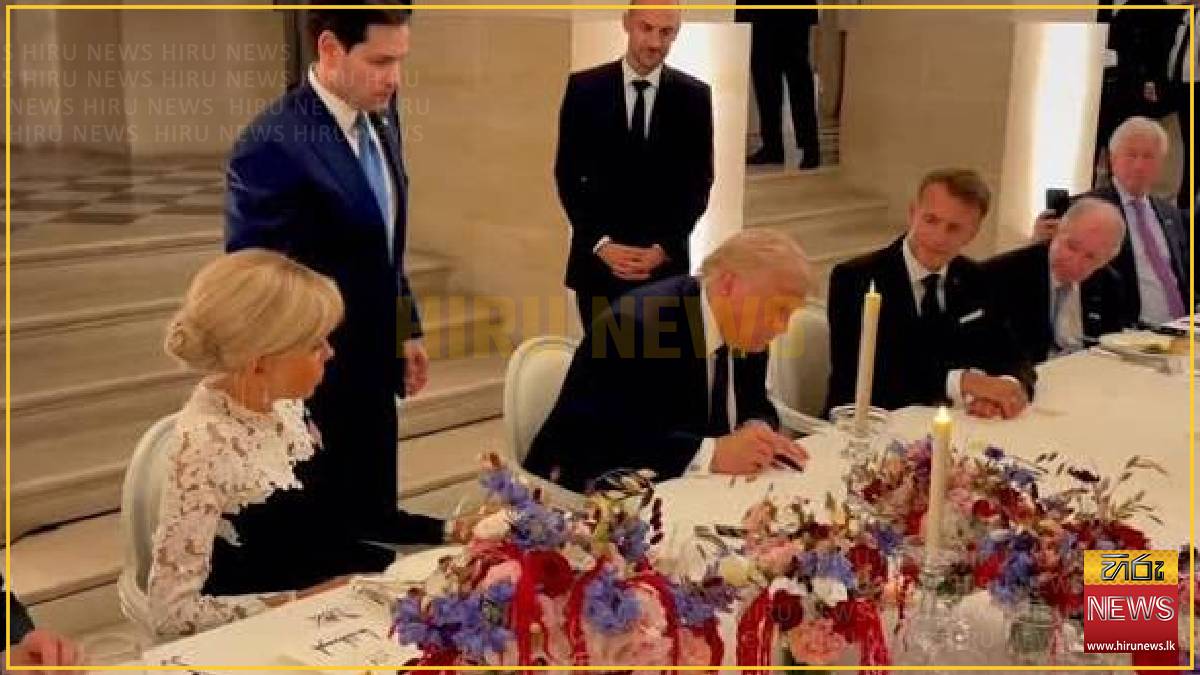


The United States and Iran signed a landmark 14-point ceasefire agreement, halting a four-month regional conflict that drew in Israel and upended global energy markets. A White House official confirmed to the BBC that the Memorandum of Understanding enters into force with immediate effect. President Donald Trump signed the historic document during a post-G7 dinner at the Palace of Versailles in France, while Iranian President Masoud Pezeshkian executed the text electronically. The performance-based framework outlines an extendable 60-day timeline for both nations to negotiate a final, permanent treaty, which a binding United Nations Security Council resolution will ultimately endorse.
Under the immediate terms of the agreement, both nations and their respective allies pledge an immediate and permanent termination of military operations on all fronts, explicitly guaranteeing the territorial integrity and national sovereignty of Lebanon. To enforce the truce, the Iranian Ministry of Foreign Affairs warned that any continued Israeli military operations in Lebanon would constitute a violation of the understanding, triggering necessary counter-measures. Furthermore, Washington and Tehran committed to respecting each other's sovereignty and internal affairs, a clause expected to draw strong criticism from Iranian dissident groups.
The deal delivers a critical economic lifeline to Tehran while addressing primary American security objectives. The United States will completely dismantle its naval blockade on Iranian ports within 30 days, matching the pace of maritime restoration in the area. Concurrently, Iran committed to using its best efforts to immediately reopen the pivotal Strait of Hormuz for toll-free commercial shipping, initiating immediate de-mining operations to clear military obstacles. Within 30 days of signing a final treaty, the United States military will withdraw all forces from the proximity of Iran, returning to the defensive posture held before hostilities broke out on 28 February.
The Trump administration secured a major diplomatic victory by binding future sanctions relief directly to strict nuclear compliance. Iran agreed never to develop or procure nuclear weapons, consenting to downblend its existing highly enriched uranium under the direct supervision of the International Atomic Energy Agency. While the United States maintains a status quo by freezing new sanctions and issuing immediate banking and oil export waivers, a final schedule to terminate all unilateral and United Nations economic restrictions will be determined during subsequent talks.
The framework also establishes a 300-billion-dollar fund for the reconstruction and economic development of Iran, engineered alongside regional partners. White House officials emphasised to the American public that the United States is not required to contribute a single cent to the fund, contrasting it sharply against the 2015 nuclear deal. Instead, Washington will hold a controlling supervisory role, granting necessary licences for regional neighbours like the United Arab Emirates to build infrastructure inside Iran. Additionally, the United States undertook to make frozen Iranian assets fully available, implementing a staggered release system to reward Tehran as it complies with specific text milestones.
-BBC
Latest News
Oil surplus in 2027 forecasted as Middle East supply returns
North Korea recalls UK ambassador after one month in post

Deputy minister rules out immediate fuel price cuts
12% of Sri Lankan schoolchildren overweight, survey finds

Munoz draws first blood defeating Uzbekistan

'Spider-Man: Brand New Day' trailer released

Apple signals unavoidable price hikes due to memory chip surge

Giant inflatable World Cup football causes chaos in El Salvador streets

World Cup in Mexico feels out of reach for many local fans

Mom of Cape Verde's Vozinha gets visa to attend next World Cup match