


Share Post


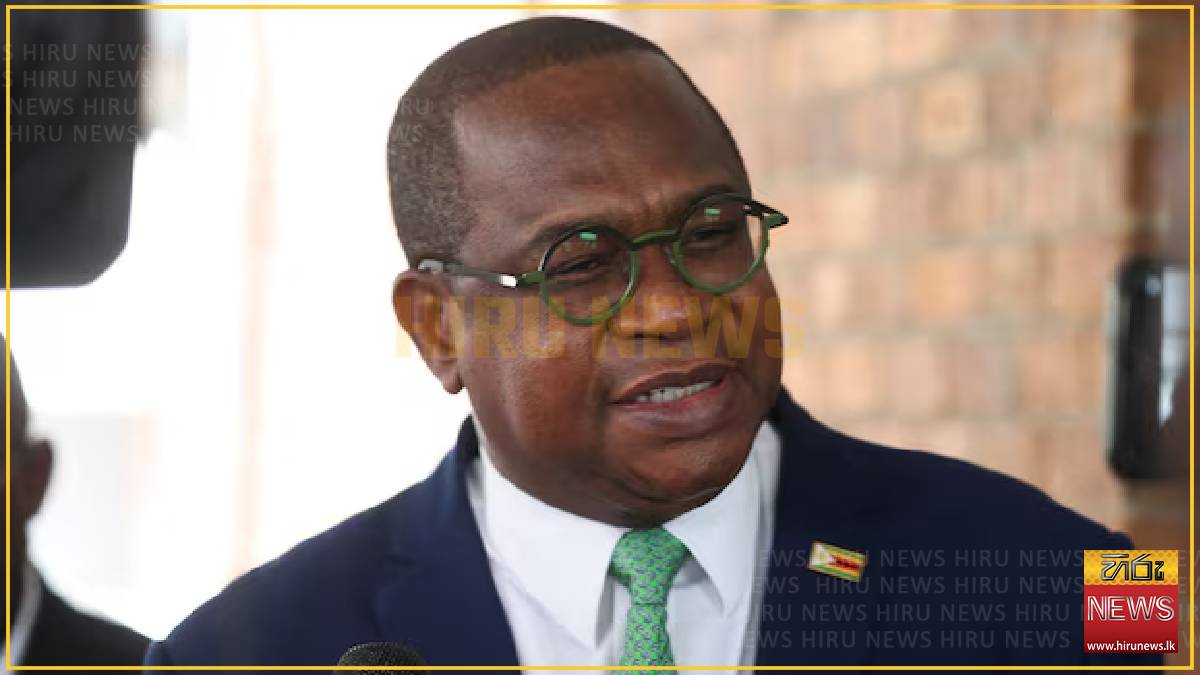
Zimbabwe is considering using its vast natural resources to fund road and railway construction projects with China, finance minister Mthuli Ncube said on Wednesday.
The southern African nation, Africa’s top lithium producer, has significant mineral resources.
But years of economic mismanagement and political turmoil have left its infrastructure severely underdeveloped.
The African Development Bank estimates Zimbabwe needs about $34 billion to modernise its transport and logistics networks.
Ncube said Harare has begun discussions with China Railway on resource-backed financing arrangements on the sidelines of the World Economic Forum in Dalian.
"We spoke to them about resource-linked debt instruments that we want to explore going forward to support our infrastructure development, especially roads and rail," Ncube told reporters.
Under such arrangements, Zimbabwe would pledge future revenues from natural resources to repay loans tied to specific projects.
"It's now up to us to decide which roads we want to develop, how much these roads will cost, how much we will raise in terms of toll fees, and how much still remains to be filled by investment in a natural resource, how much return it will generate towards extinguishing the loan," Ncube said.
Zimbabwe's dilapidated rail system is critical for moving minerals and its revival is in the interests of Chinese mining firms which have gained a dominant position in the country's extractive sector.
The approach echoes a mineral-linked $7 billion infrastructure agreement the Democratic Republic of Congo has with Chinese companies as part of the Sicomines copper and cobalt joint venture.
Separately, Ncube said Zimbabwe will not delay a planned ban on the export of lithium concentrate, set to take effect in January 2027, despite industry pressure for more time.
Chinese firms have invested over $2 billion in Zimbabwe’s lithium sector since 2021, strengthening Beijing's influence over a critical supply chain for electric vehicle batteries.
Zimbabwe has been pushing miners to process more of the mineral domestically. Ncube said the industry could process concentrates locally at a lithium sulphate plant recently built by Zhejiang Huayou Cobalt and another under development at Sinomine's Bikita mine.
-Reuters
The southern African nation, Africa’s top lithium producer, has significant mineral resources.
But years of economic mismanagement and political turmoil have left its infrastructure severely underdeveloped.
The African Development Bank estimates Zimbabwe needs about $34 billion to modernise its transport and logistics networks.
Ncube said Harare has begun discussions with China Railway on resource-backed financing arrangements on the sidelines of the World Economic Forum in Dalian.
"We spoke to them about resource-linked debt instruments that we want to explore going forward to support our infrastructure development, especially roads and rail," Ncube told reporters.
Under such arrangements, Zimbabwe would pledge future revenues from natural resources to repay loans tied to specific projects.
"It's now up to us to decide which roads we want to develop, how much these roads will cost, how much we will raise in terms of toll fees, and how much still remains to be filled by investment in a natural resource, how much return it will generate towards extinguishing the loan," Ncube said.
Zimbabwe's dilapidated rail system is critical for moving minerals and its revival is in the interests of Chinese mining firms which have gained a dominant position in the country's extractive sector.
The approach echoes a mineral-linked $7 billion infrastructure agreement the Democratic Republic of Congo has with Chinese companies as part of the Sicomines copper and cobalt joint venture.
Separately, Ncube said Zimbabwe will not delay a planned ban on the export of lithium concentrate, set to take effect in January 2027, despite industry pressure for more time.
Chinese firms have invested over $2 billion in Zimbabwe’s lithium sector since 2021, strengthening Beijing's influence over a critical supply chain for electric vehicle batteries.
Zimbabwe has been pushing miners to process more of the mineral domestically. Ncube said the industry could process concentrates locally at a lithium sulphate plant recently built by Zhejiang Huayou Cobalt and another under development at Sinomine's Bikita mine.
-Reuters
Latest News
Zimbabwe exploring minerals-backed deals with China
Local
24 June 2026
Russian politician who favours Ukraine ceasefire is jailed
Local
24 June 2026

US embassy in Kuwait resumes operations
Local
24 June 2026

Trump cancels signing of bipartisan US housing bill
Local
24 June 2026

US-Iran deal may leave Netanyahu as biggest casualty
Local
24 June 2026

Israel insists on troops in southern Lebanon as Rubio defends Iran deal
Local
24 June 2026

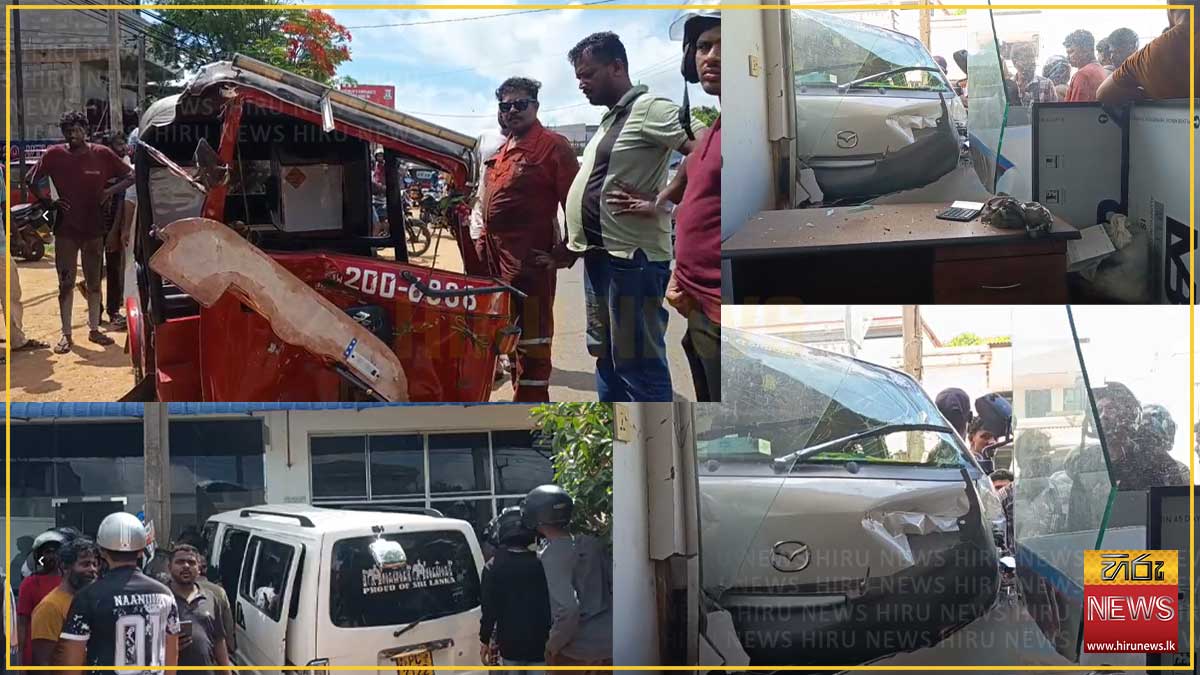
5 hospitalised as van crashes into three-wheeler and building
Local
24 June 2026
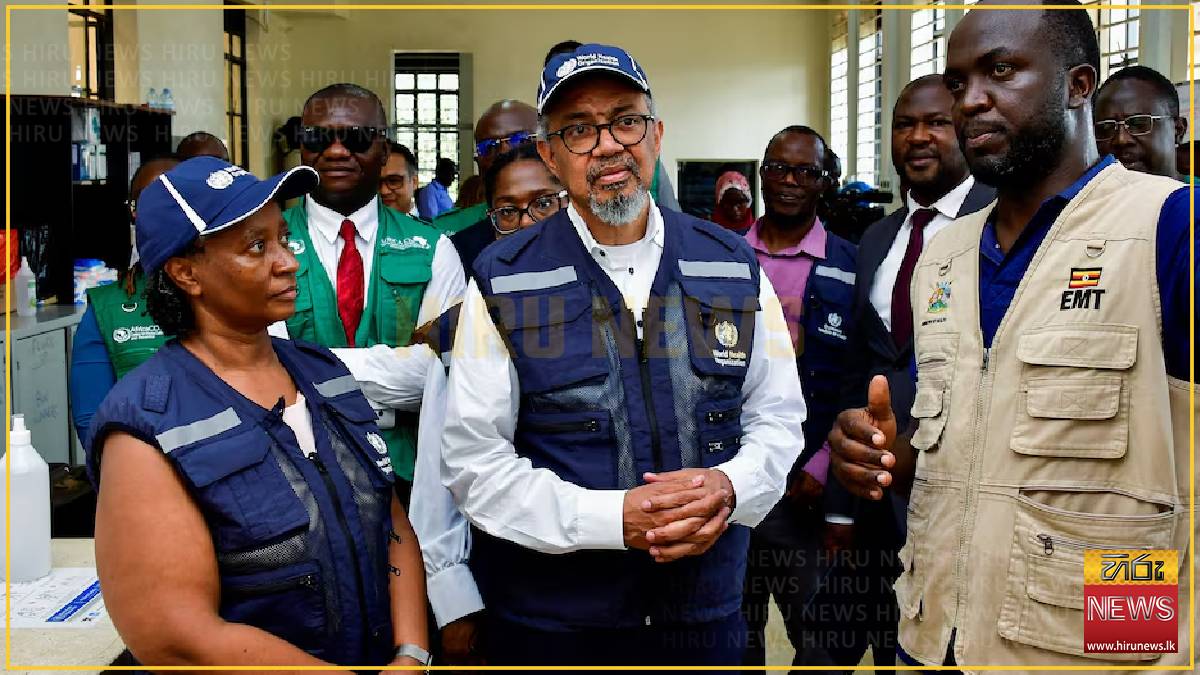
Ebola outbreak is still outpacing response, says WHO chief
Local
24 June 2026
People protest in Dambulla against wild elephant threat
Local
24 June 2026

GCE O/L certificates issued online
Local
24 June 2026