



Share Post


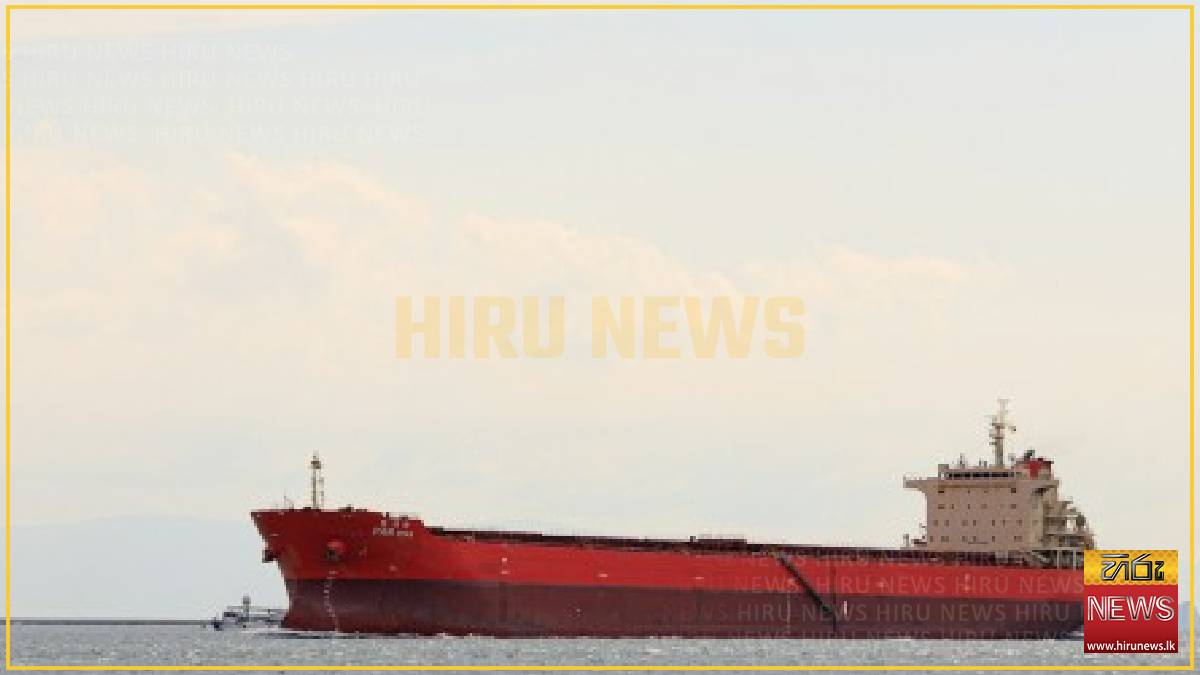
Asian refiners have slowed spot buying of UAE, Saudi and Iraqi crude after a three-week buying spree, with traders telling Bloomberg that most June and July cargo orders are already locked in.
High freight and insurance costs tied to Strait of Hormuz risk are wiping out the benefit of falling Dubai, Murban and Oman prices, killing the arbitrage that drove the earlier buying.
Kuwait is targeting 2 million bpd within a week, Iraq is aiming to restore 3 million bpd within two months, and Iran is pitching crude to India, South Korea and Japan under a two-month US sanctions waiver.
Asian refiners have reduced their spot purchases of Middle East crude for loading this month and next, following three weeks in which they had purchased millions of barrels of UAE, Saudi, and Iraqi crude.
Lingering uncertainties about the navigability of the Strait of Hormuz and high freight costs have deterred Asian buyers from continuing the buying spree that began earlier this month, with millions of barrels of Abu Dhabi crude snapped up in spot trades.
Yet, refiners in Asia have spent the better part of the past four months scrambling to procure crude for the summer from producers outside the Middle East. Buyers now have enough non-Middle Eastern crude lined up to arrive over the next two months, meaning that immediate spot purchases from the Middle East aren’t really a necessity, amid still uncertain developments about how open the Strait of Hormuz really is.
Most refiners in Asia have wrapped up their crude cargo orders for June and July, traders have told Bloomberg.
To boost buying from Asia, the Middle Eastern producers need to make significant discounts on their offers, according to the traders.
Significant discounts are simply not working for the high-risk zone in which the Strait of Hormuz has turned. Insurance and tanker freight costs will be too high and won’t offset any discounts on the crude.
The high costs of freight and the intensifying competition for tankers are also making storing crude on water uneconomical, removing one of the demand incentives for buyers.
Moreover, the price of the benchmark crude grades of the Middle East has crashed in recent days as the U.S.-Iran memorandum of understanding raised hopes that supply from the top oil-exporting region would begin to recover soon. The previous spot premiums of prices of the Dubai, Murban, and Oman crudes to swaps slumped into discounts, opening arbitrage for shipping oil from the Middle East to the United States and Europe.
Meanwhile, Asia hopes that its term supplies from the Middle East would recover soon – and at lower prices – if US-Iran talks progress and tanker traffic through the Strait of Hormuz continues to pick up.
In the Middle East, the UAE, Iraq, Kuwait, Saudi Arabia, and Iran are boosting or preparing to boost production and exports.
Kuwait expects to raise its oil production to 2 million barrels per day (bpd) within a week, up from an average of 573,000 bpd in May, amid the reopening of the Strait of Hormuz, the deputy chairman and CEO of Kuwait Petroleum Corporation (KPC), Shaikh Nawaf Saud Al-Sabah, said last week.
“Prewar production levels could be restored within weeks once regular international commercial shipping to Kuwait ports has resumed,” Al-Sabah was quoted as saying by Kuwait News Agency.
Kuwait is also offering this week naphtha for loading at its ports deep into the Persian Gulf in the first such tender in months, as Middle Eastern oil producers seek to raise shipments through the Strait of Hormuz.
Iraq, OPEC’s second-largest producer and one of the countries worst affected by the Strait of Hormuz closure, targets to restore oil output above 3 million bpd from its southern fields within two months, officials said last week. With no outlet for the crude from the southern fields near Basrah during the closure of the Strait of Hormuz, Iraq was forced to shut in more than half of its oil production.
Saudi Arabia is also looking to return some production while continuing to direct most crude exports on the East-West pipeline to the Red Sea port of Yanbu.
The most immediate surge in supply from the Middle East will arguably come from none other than Iran, which just saw the U.S. sanctions on its oil exports lifted for two months until August 21, as part of the U.S.-Iran 14-point memorandum of understanding.
Iran is reportedly pitching its oil to Asian buyers outside China, contacting India, South Korea, and Japan.
These major Asian oil importers haven’t imported Iranian oil in years due to the U.S. sanctions in place. Iran’s key oil buyer has been China, more precisely, the Chinese independent refiners in the Shandong province, the so-called teapots.
Now the temporary U.S. waiver opens the door for Iranian oil sales in the wider Asian region, but refiners are not really rushing to snap up Iran’s crude, traders and analysts told Bloomberg earlier this week.
The waiver is only for two months, and it is not certain how the U.S.-Iran talks will progress, so there could be an abrupt reversal of the general license.
Moreover, most refiners in Asia are already well-stocked on crude for the next few weeks, having spent much of the past three months trying to procure additional supply from the Americas and West Africa to fill part of the gap left by the constrained Middle Eastern deliveries.
Asian demand for Middle Eastern crude will eventually rebound, but many importers will continue to diversify their oil supplier base to avoid a new energy crisis when the next war in the Middle East erupts.
-Oilprices.com
High freight and insurance costs tied to Strait of Hormuz risk are wiping out the benefit of falling Dubai, Murban and Oman prices, killing the arbitrage that drove the earlier buying.
Kuwait is targeting 2 million bpd within a week, Iraq is aiming to restore 3 million bpd within two months, and Iran is pitching crude to India, South Korea and Japan under a two-month US sanctions waiver.
Asian refiners have reduced their spot purchases of Middle East crude for loading this month and next, following three weeks in which they had purchased millions of barrels of UAE, Saudi, and Iraqi crude.
Lingering uncertainties about the navigability of the Strait of Hormuz and high freight costs have deterred Asian buyers from continuing the buying spree that began earlier this month, with millions of barrels of Abu Dhabi crude snapped up in spot trades.
Yet, refiners in Asia have spent the better part of the past four months scrambling to procure crude for the summer from producers outside the Middle East. Buyers now have enough non-Middle Eastern crude lined up to arrive over the next two months, meaning that immediate spot purchases from the Middle East aren’t really a necessity, amid still uncertain developments about how open the Strait of Hormuz really is.
Most refiners in Asia have wrapped up their crude cargo orders for June and July, traders have told Bloomberg.
To boost buying from Asia, the Middle Eastern producers need to make significant discounts on their offers, according to the traders.
Significant discounts are simply not working for the high-risk zone in which the Strait of Hormuz has turned. Insurance and tanker freight costs will be too high and won’t offset any discounts on the crude.
The high costs of freight and the intensifying competition for tankers are also making storing crude on water uneconomical, removing one of the demand incentives for buyers.
Moreover, the price of the benchmark crude grades of the Middle East has crashed in recent days as the U.S.-Iran memorandum of understanding raised hopes that supply from the top oil-exporting region would begin to recover soon. The previous spot premiums of prices of the Dubai, Murban, and Oman crudes to swaps slumped into discounts, opening arbitrage for shipping oil from the Middle East to the United States and Europe.
Meanwhile, Asia hopes that its term supplies from the Middle East would recover soon – and at lower prices – if US-Iran talks progress and tanker traffic through the Strait of Hormuz continues to pick up.
In the Middle East, the UAE, Iraq, Kuwait, Saudi Arabia, and Iran are boosting or preparing to boost production and exports.
Kuwait expects to raise its oil production to 2 million barrels per day (bpd) within a week, up from an average of 573,000 bpd in May, amid the reopening of the Strait of Hormuz, the deputy chairman and CEO of Kuwait Petroleum Corporation (KPC), Shaikh Nawaf Saud Al-Sabah, said last week.
“Prewar production levels could be restored within weeks once regular international commercial shipping to Kuwait ports has resumed,” Al-Sabah was quoted as saying by Kuwait News Agency.
Kuwait is also offering this week naphtha for loading at its ports deep into the Persian Gulf in the first such tender in months, as Middle Eastern oil producers seek to raise shipments through the Strait of Hormuz.
Iraq, OPEC’s second-largest producer and one of the countries worst affected by the Strait of Hormuz closure, targets to restore oil output above 3 million bpd from its southern fields within two months, officials said last week. With no outlet for the crude from the southern fields near Basrah during the closure of the Strait of Hormuz, Iraq was forced to shut in more than half of its oil production.
Saudi Arabia is also looking to return some production while continuing to direct most crude exports on the East-West pipeline to the Red Sea port of Yanbu.
The most immediate surge in supply from the Middle East will arguably come from none other than Iran, which just saw the U.S. sanctions on its oil exports lifted for two months until August 21, as part of the U.S.-Iran 14-point memorandum of understanding.
Iran is reportedly pitching its oil to Asian buyers outside China, contacting India, South Korea, and Japan.
These major Asian oil importers haven’t imported Iranian oil in years due to the U.S. sanctions in place. Iran’s key oil buyer has been China, more precisely, the Chinese independent refiners in the Shandong province, the so-called teapots.
Now the temporary U.S. waiver opens the door for Iranian oil sales in the wider Asian region, but refiners are not really rushing to snap up Iran’s crude, traders and analysts told Bloomberg earlier this week.
The waiver is only for two months, and it is not certain how the U.S.-Iran talks will progress, so there could be an abrupt reversal of the general license.
Moreover, most refiners in Asia are already well-stocked on crude for the next few weeks, having spent much of the past three months trying to procure additional supply from the Americas and West Africa to fill part of the gap left by the constrained Middle Eastern deliveries.
Asian demand for Middle Eastern crude will eventually rebound, but many importers will continue to diversify their oil supplier base to avoid a new energy crisis when the next war in the Middle East erupts.
-Oilprices.com
Latest News
for SL women's team to reach T-20 semil finals
Local
26 June 2026

India sends aides to earthquake-affected Venezuela
Local
26 June 2026

China to establish security ties with Cambodia
Local
26 June 2026
Iran deal grants access to nuclear inspectors
Local
26 June 2026

John Keells Group celebrates 10th cohort milestone of MDP
Local
26 June 2026

Revised A Level 2026 examination timetable released
Local
26 June 2026

CSE expands footprint with Gampaha Branch
Local
26 June 2026

Australia considers tougher enforcement of social media ban for teens
Local
26 June 2026

SJB suspends Horana electorate organiser's membership and positions
Local
26 June 2026

The Pink Auto Shop wins ‘Most Famous Detailing Shop of the Year’ at BWIO Awards
Local
26 June 2026