



Share Post


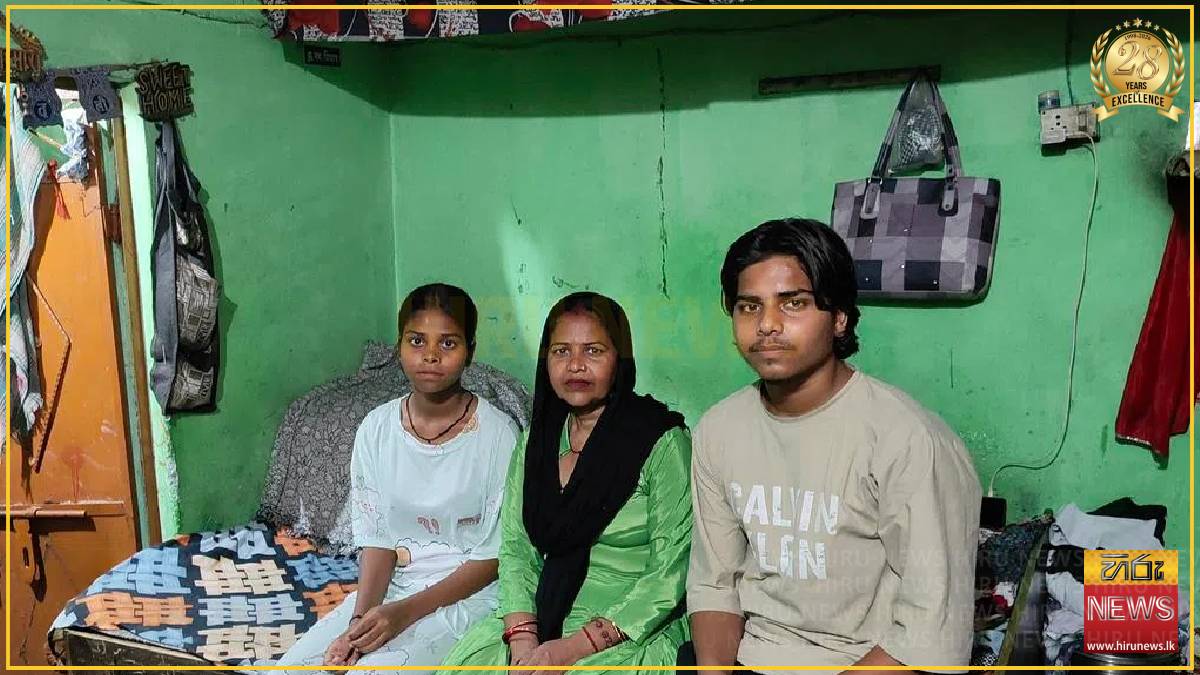
Durga Devi and her two teenage daughters know it is time to give up the familiar comfort of sleeping on their bed. For the past five years or so, at the onset of each summer in Delhi, the 45-year-old and her children spend their nights on the terrace over their one-room flat.
Instead of sleeping in their windowless bedroom, which transforms into a furnace on hot nights, the family prefers sleeping on the terrace floor, where they can catch some breeze and have installed an air cooler.
“But on days when it gets too hot, we can’t even sleep there,” said Devi. “The air from the cooler feels hot; it is as if the cooler is not working at all.”
With inadequate sleep at night, she, at times, struggles to stay alert at her sari-making workplace, where a single ceiling fan churns the hot air for around six workers. “By 1 pm, on some days, I feel restless, my blood pressure falls and I feel dizzy,” she added.
Devi’s experience highlights an overlooked heat-related challenge – nights in India are getting warmer, exposing working-class families to ongoing heat stress even after a hot day and affecting their health in the long run.
A 2025 report by the Council on Energy, Environment and Water, a Delhi-based think tank, found that 35 out of 36 Indian states and union territories had witnessed rising night-time temperatures.
With inadequate sleep at night, she, at times, struggles to stay alert at her sari-making workplace, where a single ceiling fan churns the hot air for around six workers. “By 1 pm, on some days, I feel restless, my blood pressure falls and I feel dizzy,” she added.
Devi’s experience highlights an overlooked heat-related challenge – nights in India are getting warmer, exposing working-class families to ongoing heat stress even after a hot day and affecting their health in the long run.
A 2025 report by the Council on Energy, Environment and Water, a Delhi-based think tank, found that 35 out of 36 Indian states and union territories had witnessed rising night-time temperatures.
Delhi, for instance, experienced its warmest May night in nearly 14 years on May 25, 2026, with an overnight low of 32.4°C. And the all-time record for Delhi’s highest minimum temperature in June is 35.2°C, recorded on June 19, 2024.
Temperatures begin to fall with the onset of the monsoon, which covers most of the country by July, but hot nights can still feel oppressive due to increased humidity.
“The rise in nighttime temperatures is a grave issue and should be treated at par with daytime temperatures,” said Kartiki Negi, the lead for climate impacts at research-based consultancy Climate Trends.
“The effects from high night temperatures are not as visible to the eye, unlike during the day when one goes out and sweats in the sun,” she told The Straits Times.
-The Strait Times
Instead of sleeping in their windowless bedroom, which transforms into a furnace on hot nights, the family prefers sleeping on the terrace floor, where they can catch some breeze and have installed an air cooler.
“But on days when it gets too hot, we can’t even sleep there,” said Devi. “The air from the cooler feels hot; it is as if the cooler is not working at all.”
With inadequate sleep at night, she, at times, struggles to stay alert at her sari-making workplace, where a single ceiling fan churns the hot air for around six workers. “By 1 pm, on some days, I feel restless, my blood pressure falls and I feel dizzy,” she added.
Devi’s experience highlights an overlooked heat-related challenge – nights in India are getting warmer, exposing working-class families to ongoing heat stress even after a hot day and affecting their health in the long run.
A 2025 report by the Council on Energy, Environment and Water, a Delhi-based think tank, found that 35 out of 36 Indian states and union territories had witnessed rising night-time temperatures.
With inadequate sleep at night, she, at times, struggles to stay alert at her sari-making workplace, where a single ceiling fan churns the hot air for around six workers. “By 1 pm, on some days, I feel restless, my blood pressure falls and I feel dizzy,” she added.
Devi’s experience highlights an overlooked heat-related challenge – nights in India are getting warmer, exposing working-class families to ongoing heat stress even after a hot day and affecting their health in the long run.
A 2025 report by the Council on Energy, Environment and Water, a Delhi-based think tank, found that 35 out of 36 Indian states and union territories had witnessed rising night-time temperatures.
Delhi, for instance, experienced its warmest May night in nearly 14 years on May 25, 2026, with an overnight low of 32.4°C. And the all-time record for Delhi’s highest minimum temperature in June is 35.2°C, recorded on June 19, 2024.
Temperatures begin to fall with the onset of the monsoon, which covers most of the country by July, but hot nights can still feel oppressive due to increased humidity.
“The rise in nighttime temperatures is a grave issue and should be treated at par with daytime temperatures,” said Kartiki Negi, the lead for climate impacts at research-based consultancy Climate Trends.
“The effects from high night temperatures are not as visible to the eye, unlike during the day when one goes out and sweats in the sun,” she told The Straits Times.
-The Strait Times
Latest News
FIFA to stick to schedule for Mexico v England game
Local
04 July 2026

Ake leaves Man City after six seasons
Local
04 July 2026

India's batting sensation Sooryavanshi makes senior debut
Local
04 July 2026

Mertens stuns second seed Rybakina in Wimbledon third round
Local
04 July 2026

Armenia's top court rejects pro-Russia opposition's election request
Local
04 July 2026

Japanese University starts course on ‘anime peace studies’
Local
04 July 2026

Viral strain change triggers dengue rise
Local
04 July 2026

Seek people with different views and ideas, says Singapore PM
Local
04 July 2026

Nabatieh recovery begins amid ongoing tensions
Local
04 July 2026

US turns 250 as Trump warns of ‘attack’ on American identity
Local
04 July 2026