



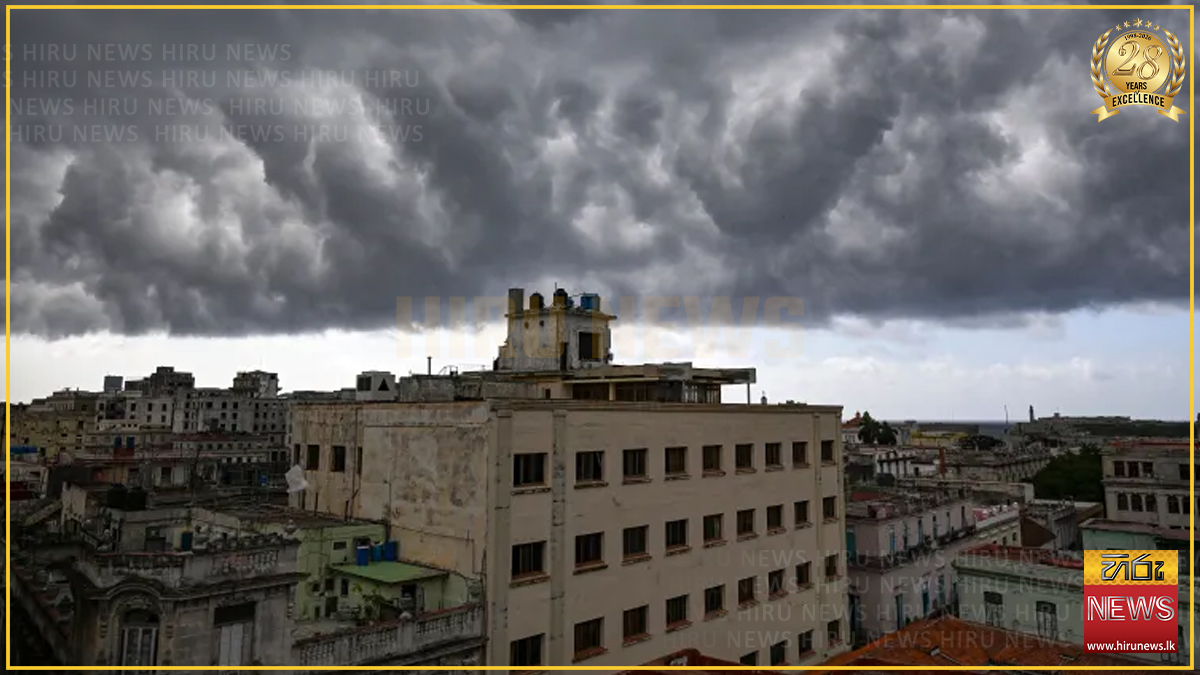
Share Post


But the problem has intensified since January, when United States President Donald Trump effectively severed Cuba’s supply of foreign oil.
Already, Cuba has been under the longest-running trade embargo in modern history. Since the 1960s, the US has largely barred trade with the island, which sits roughly 140 kilometres — or 90 miles — from its shores.
Since taking office for a second term, though, Trump has sought to trigger regime change on the communist-led island. Critics have long accused the government in Havana of human rights abuses, including the violent suppression of dissent.
On January 3, Trump authorised a military operation against Venezuelan President Nicolas Maduro, a socialist leader and ally of the Cuban government. The operation culminated in Maduro’s abduction and transport to New York, where he remains imprisoned on drug- and weapons-related charges.
Shortly after Maduro’s removal, Trump announced that Venezuela would no longer send oil or money to Cuba. His administration has continued to control Venezuelan oil exports in the months since.
Then, on January 29, Trump issued an executive order declaring that Cuba “constitutes an unusual and extraordinary threat” to the US. As part of the order, he threatened any country that supplies the island with fuel with steep tariffs.
Since then, only a single Russian oil tanker has reached Cuban soil — but that was in March.
As of 2023, Cuba only produces 40 percent of the oil it uses, according to the International Energy Agency. The rest comes from overseas.
Human rights experts have warned that the continued fuel deprivation could have consequences for Cuba’s civilian population, as public services like transportation shut down.
In June, the high commissioner for human rights at the United Nations, Volker Turk, pointed to statistics that showed infant mortality nearly doubled in recent months.
“The fuel restrictions imposed since early 2026 and recent tightening of extraterritorial sanctions, taken together, are directly harming Cubans, especially the most vulnerable,” Turk said in a statement.
“Children are dying because doctors lack access to essential medical supplies and medicines. This is unacceptable.”
The Trump administration, meanwhile, has blamed mismanagement in the Cuban government for the blackouts.
“We’ve done nothing punitive against the Cuban regime,” US Secretary of State Marco Rubio told Al Jazeera in March.
Prior to the fuel blockade, Cuba had planned to shift some of its energy infrastructure away from fossil fuels, in favour of solar and other renewable energy sources.
It has sped up that transition, with the help of solar technology imported from the US’s main economic rival, China.
Still, renewable energy only accounts for about 18 percent of Cuba’s overall energy consumption, according to estimates from 2022. Cuba aims to produce nearly a quarter of its energy from renewable sources by 2030.
- AlJazeera
Already, Cuba has been under the longest-running trade embargo in modern history. Since the 1960s, the US has largely barred trade with the island, which sits roughly 140 kilometres — or 90 miles — from its shores.
Since taking office for a second term, though, Trump has sought to trigger regime change on the communist-led island. Critics have long accused the government in Havana of human rights abuses, including the violent suppression of dissent.
On January 3, Trump authorised a military operation against Venezuelan President Nicolas Maduro, a socialist leader and ally of the Cuban government. The operation culminated in Maduro’s abduction and transport to New York, where he remains imprisoned on drug- and weapons-related charges.
Shortly after Maduro’s removal, Trump announced that Venezuela would no longer send oil or money to Cuba. His administration has continued to control Venezuelan oil exports in the months since.
Then, on January 29, Trump issued an executive order declaring that Cuba “constitutes an unusual and extraordinary threat” to the US. As part of the order, he threatened any country that supplies the island with fuel with steep tariffs.
Since then, only a single Russian oil tanker has reached Cuban soil — but that was in March.
As of 2023, Cuba only produces 40 percent of the oil it uses, according to the International Energy Agency. The rest comes from overseas.
Human rights experts have warned that the continued fuel deprivation could have consequences for Cuba’s civilian population, as public services like transportation shut down.
In June, the high commissioner for human rights at the United Nations, Volker Turk, pointed to statistics that showed infant mortality nearly doubled in recent months.
“The fuel restrictions imposed since early 2026 and recent tightening of extraterritorial sanctions, taken together, are directly harming Cubans, especially the most vulnerable,” Turk said in a statement.
“Children are dying because doctors lack access to essential medical supplies and medicines. This is unacceptable.”
The Trump administration, meanwhile, has blamed mismanagement in the Cuban government for the blackouts.
“We’ve done nothing punitive against the Cuban regime,” US Secretary of State Marco Rubio told Al Jazeera in March.
Prior to the fuel blockade, Cuba had planned to shift some of its energy infrastructure away from fossil fuels, in favour of solar and other renewable energy sources.
It has sped up that transition, with the help of solar technology imported from the US’s main economic rival, China.
Still, renewable energy only accounts for about 18 percent of Cuba’s overall energy consumption, according to estimates from 2022. Cuba aims to produce nearly a quarter of its energy from renewable sources by 2030.
- AlJazeera
Latest News
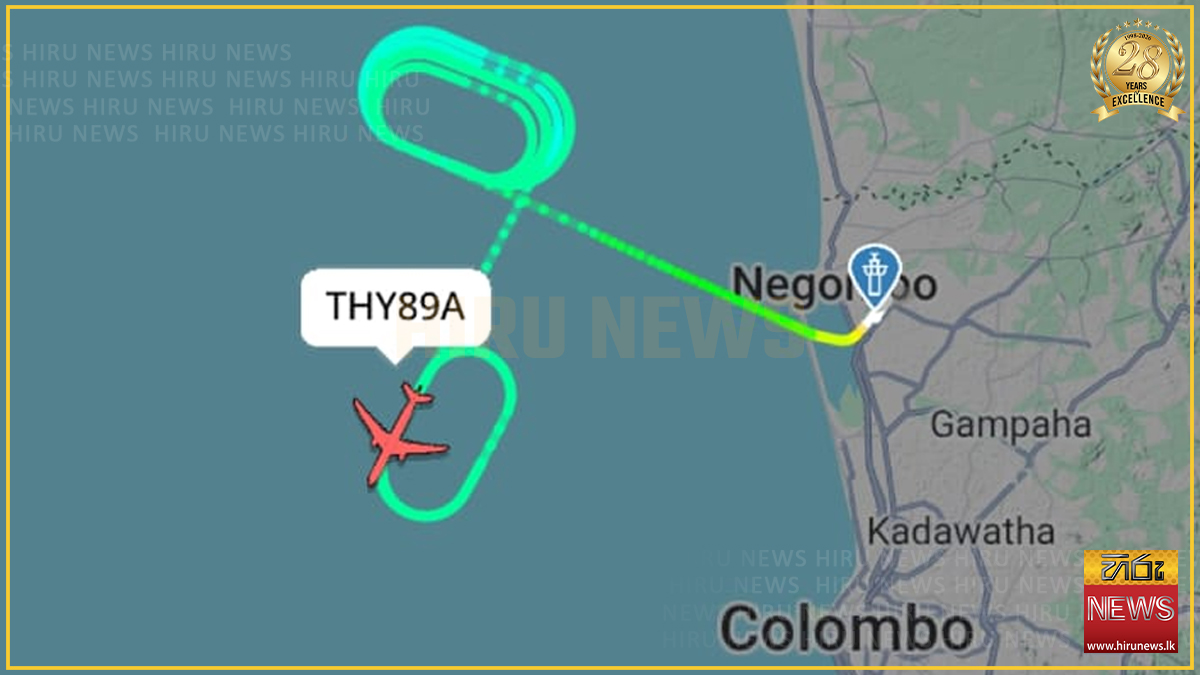
Bird strike forces aircraft to land in Katunayake
Local
11 July 2026
Box office: ‘Moana’ sets sail with $4.5 million in Thursday previews
Local
11 July 2026

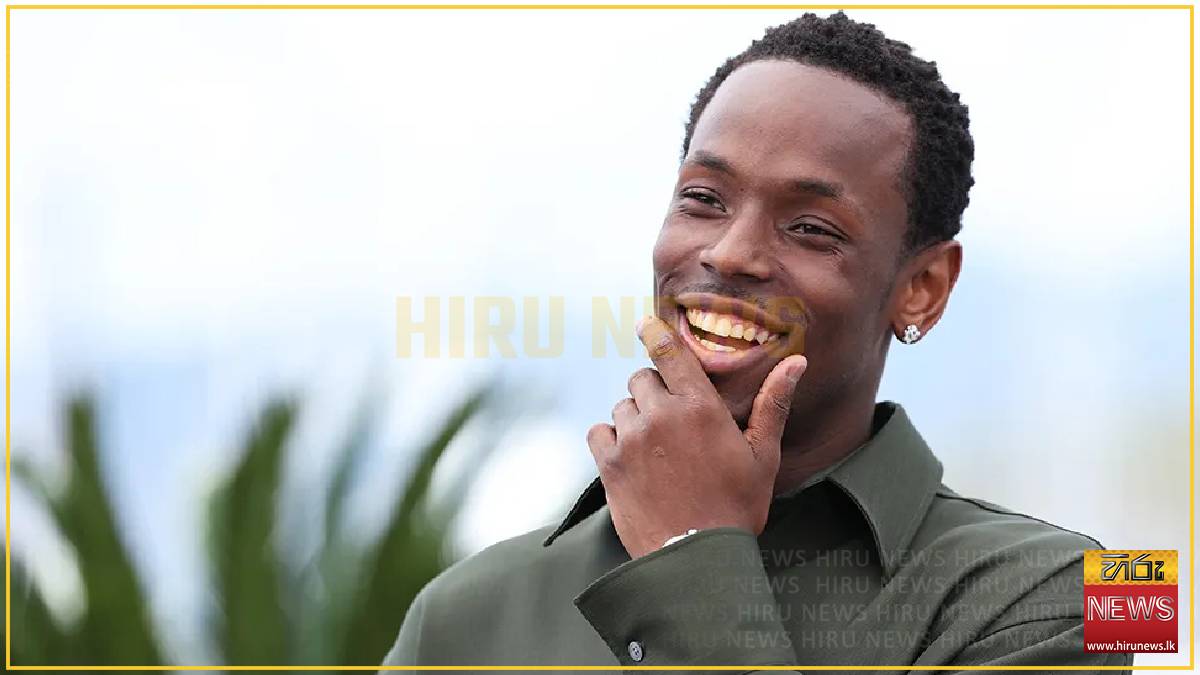
‘Top Boy’ star Micheal Ward found not guilty of rape and sexual assault
Local
11 July 2026
Christopher Nolan dedicates ‘The Odyssey’ to late Imax pioneer David Keighley
Local
11 July 2026

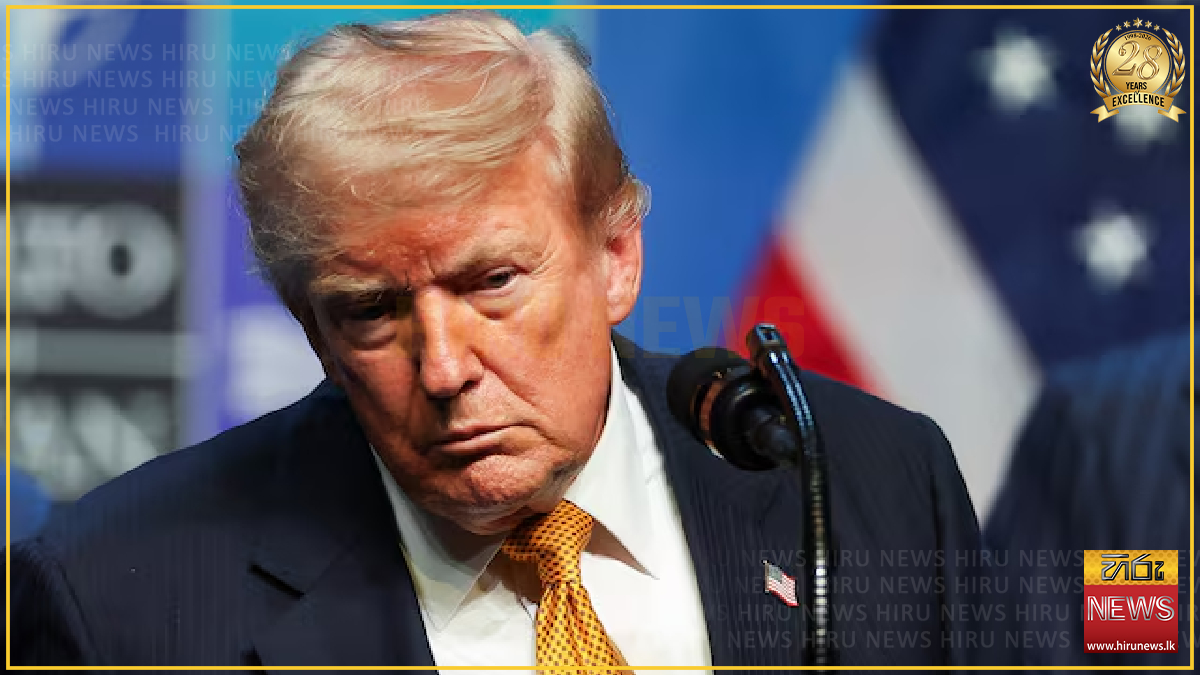
Trump says missiles aimed at Iran if Tehran targets US president
Local
11 July 2026
Taylor Swift paid NYC more than $160,000 for wedding weekend permit, including police overtime
Local
11 July 2026

Rise in indirect online scams reported in cyberspace
Local
11 July 2026

Ariana Grande drops out of ‘American Horror Story’ season 13 amid concert tour
Local
11 July 2026

Oregon drops motion to delay Paramount-Warner Bros deal
Local
11 July 2026

Cuba suffers second island-wide blackout in a week
Local
11 July 2026