



Share Post


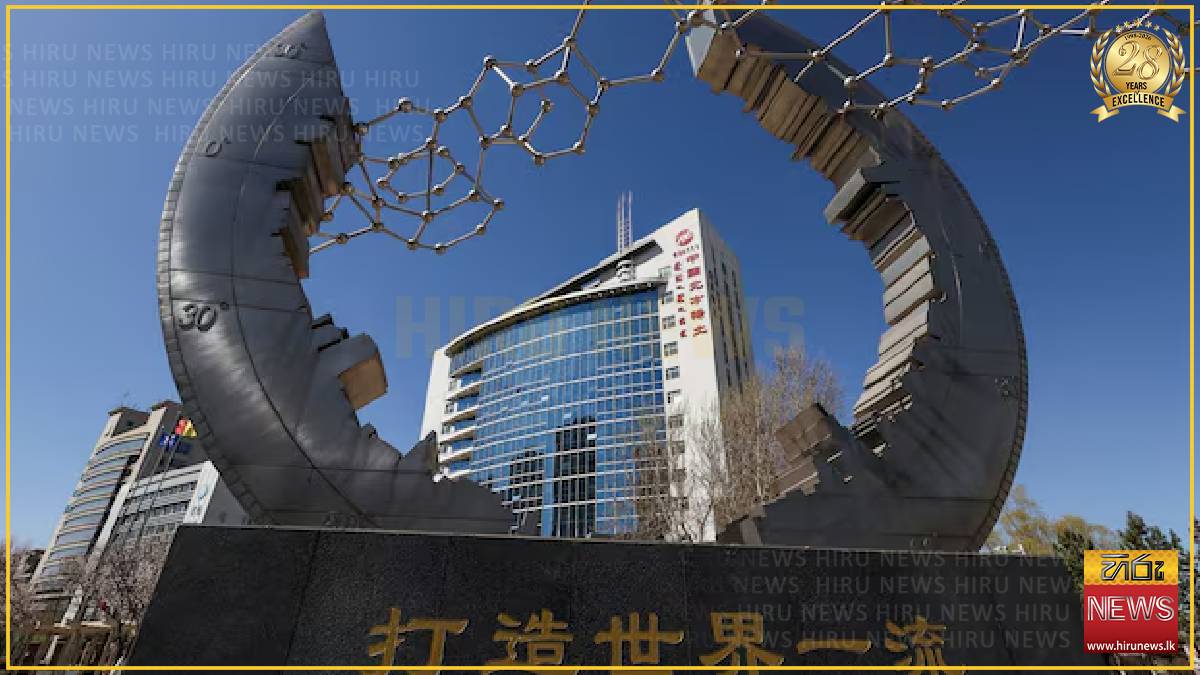
The full implementation of China's rare earth export restrictions could put $6.5 trillion of downstream production outside the country at risk, the International Energy Agency warned on Thursday.
China, the world's largest producer of rare earths, expanded export controls in October last year to cover additional materials and introduced new licensing requirements, but later agreed to delay implementation for a year.
Rare earths are a group of 17 metals used in small quantities, but essential to products ranging from cars and aircraft to electronics and weapons systems.
If the controls take full effect, about $6.5 trillion of production across the automotive, high-tech, defence and energy sectors could be exposed to supply disruptions, the IEA said in its Global Critical Minerals Outlook report.
The U.S. and Europe would account for nearly half of the economic impact, the report added.
"Our latest analysis shows that vast amounts of economic value depend on relatively small volumes of critical minerals, whose supply chains remain highly concentrated and are therefore vulnerable," IEA Executive Director Fatih Birol said.
The agency also warned of risks from China's planned export controls on graphite, a key material used in electric vehicle batteries, which were announced at the same time and later postponed.
Full implementation of the graphite controls could put about $300 billion of downstream production outside China at risk, the report said. China accounts for more than 90% of global processed graphite output.
Western governments have been trying to build alternative critical mineral supply chains. The IEA said public financing commitments for new projects more than quadrupled between 2023 and 2025 to $65 billion.
New rare earth refining projects in the U.S. and Malaysia reduced China's share of the global market to 85% last year from 90% in 2023, the agency said. If planned projects proceed on schedule, that share could fall to 70% by 2035.
-Reuters
China, the world's largest producer of rare earths, expanded export controls in October last year to cover additional materials and introduced new licensing requirements, but later agreed to delay implementation for a year.
Rare earths are a group of 17 metals used in small quantities, but essential to products ranging from cars and aircraft to electronics and weapons systems.
If the controls take full effect, about $6.5 trillion of production across the automotive, high-tech, defence and energy sectors could be exposed to supply disruptions, the IEA said in its Global Critical Minerals Outlook report.
The U.S. and Europe would account for nearly half of the economic impact, the report added.
"Our latest analysis shows that vast amounts of economic value depend on relatively small volumes of critical minerals, whose supply chains remain highly concentrated and are therefore vulnerable," IEA Executive Director Fatih Birol said.
The agency also warned of risks from China's planned export controls on graphite, a key material used in electric vehicle batteries, which were announced at the same time and later postponed.
Full implementation of the graphite controls could put about $300 billion of downstream production outside China at risk, the report said. China accounts for more than 90% of global processed graphite output.
Western governments have been trying to build alternative critical mineral supply chains. The IEA said public financing commitments for new projects more than quadrupled between 2023 and 2025 to $65 billion.
New rare earth refining projects in the U.S. and Malaysia reduced China's share of the global market to 85% last year from 90% in 2023, the agency said. If planned projects proceed on schedule, that share could fall to 70% by 2035.
-Reuters
Latest News
Namal urges Sri Lanka to become Indian Ocean economic hub
Local
16 July 2026

Sri Lanka expects US tariff relief soon, says envoy
Local
16 July 2026

Jesy Nelson calls plan to test newborns for deadly muscle condition a 'victory'
Local
16 July 2026

Actor Sam Neill died from pneumonia, agent confirms
Local
16 July 2026

Court to decide on A/L exam postponement petition on July 23
Local
16 July 2026

PM returns to island after concluding official visit to Qatar
Local
16 July 2026

CMC revises entertainment tax to boost cultural activities
Local
16 July 2026

IEA warns China rare earth curbs threaten global industries
Local
16 July 2026
SpaceX slips below IPO price as lock-up concerns weigh on shares
Local
16 July 2026

US Russia sanctions bill raises tariff concerns
Local
16 July 2026