



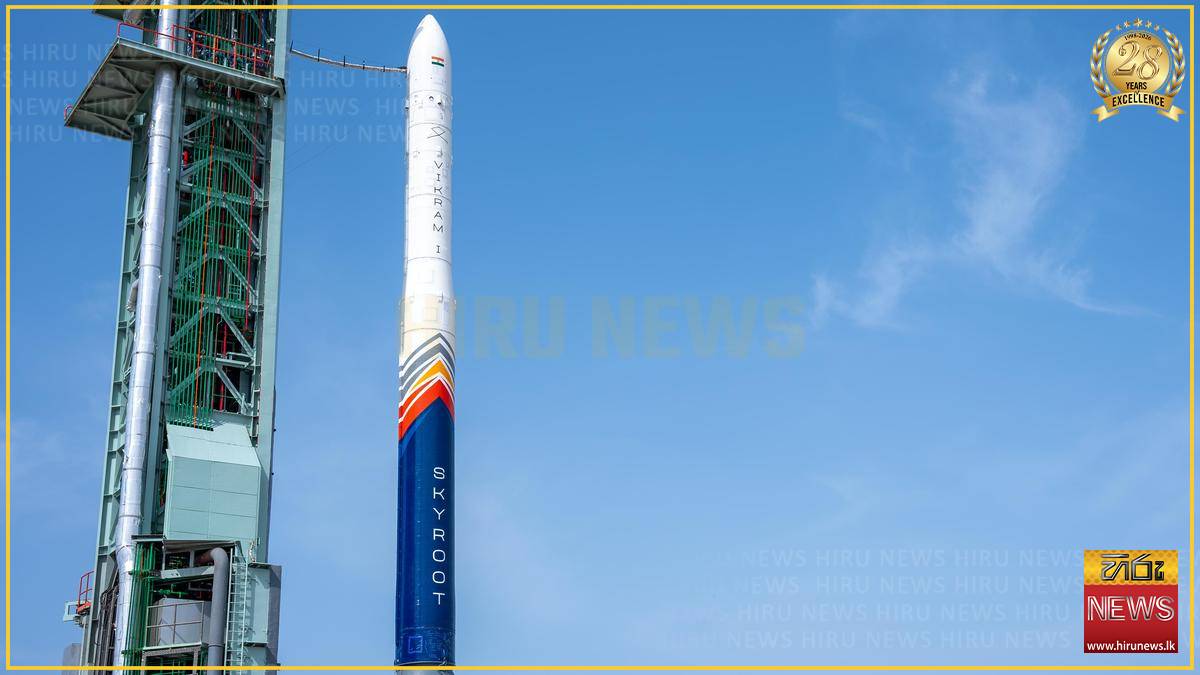


India joined the elite group of nations possessing private orbital launch capability today when the country's first privately developed orbital-class rocket successfully reached low Earth orbit. The seven-storey-tall Vikram-1 vehicle, developed by the Hyderabad-based aerospace start-up Skyroot Aerospace, lifted off from the Satish Dhawan Space Centre in Sriharikota at 12.05 pm local time. The historic flight lasted just under 16 minutes, successfully injecting 6 technology demonstration payloads into a targeted 450-kilometre orbit at a 60-degree inclination. The launch proceeded after a 35-minute delay from its original 11.30 am schedule, caused by a planned hold to address apparent navigation issues on a cloudy day.
The milestone marks the official entry of Indian private enterprise into the competitive global launch services market. Named after Dr. Vikram Sarabhai, the father of the Indian space programme, the multi-stage rocket featured an advanced all-carbon composite structure. The vehicle utilized in-house propulsion systems, including 3D-printed engines and high-thrust solid-fuel rocket boosters engineered for rapid manufacturing and high-frequency launch schedules. Prime Minister Narendra Modi congratulated the aerospace firm by telephone, stating that the achievement marks the opening of a new frontier for national space ambitions while reflecting growing capabilities in innovation and entrepreneurship.
The successful mission deployed a diverse array of domestic and international cargo into orbit, including specialised scientific experiments and cultural installations. Among the payloads, a robotic arm developed by Cosmoserve Space remained attached to the payload deck to perform the world's first demonstration of soft robotic capture in orbit, a critical technological advancement aimed at capturing defunct satellites and removing space debris.
The flight also carried international components from Germany-based DCubed GmbH, alongside an 18-carat gold micro-art installation featuring microscopic sculptures of Dr. Vikram Sarabhai, Dr. A.P.J. Abdul Kalam, and Dr. C.V. Raman crafted inside the eye of a sewing needle.
-The Hindu/TBS
Latest News
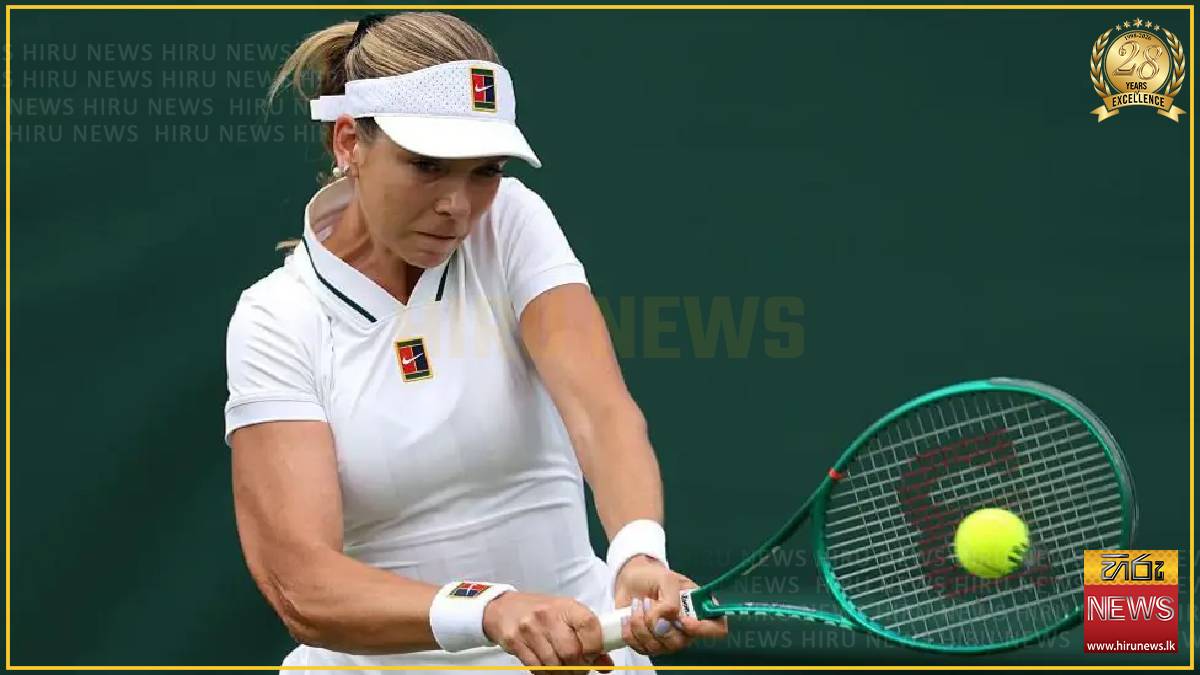
Female tennis players faced 12,000 abusive posts in 2025
All Blacks punish Ireland in dominant Eden Park win

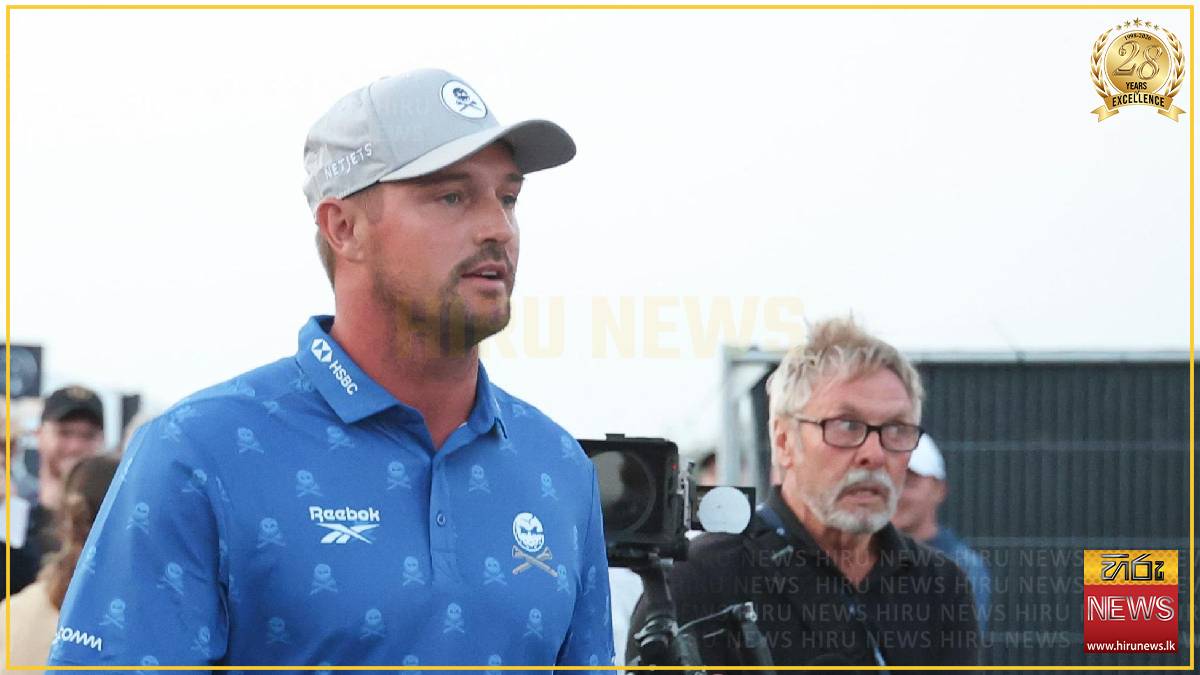
Two-shot penalty 'fires up' Open contender DeChambeau
Messi and Brady on 'prophetic' Lamine Yamal photos

Clark makes WNBA history with 45 points and 10 assists

Deadly drone attack rocks Russia

Four killed as flash flood hits Vietnam

India launches 1st hydrogen-run train in push for clean energy

GameStop takes nearly 10% stake in eBay

Post-COVID cinema comeback: A new generation is driving arthouse films