



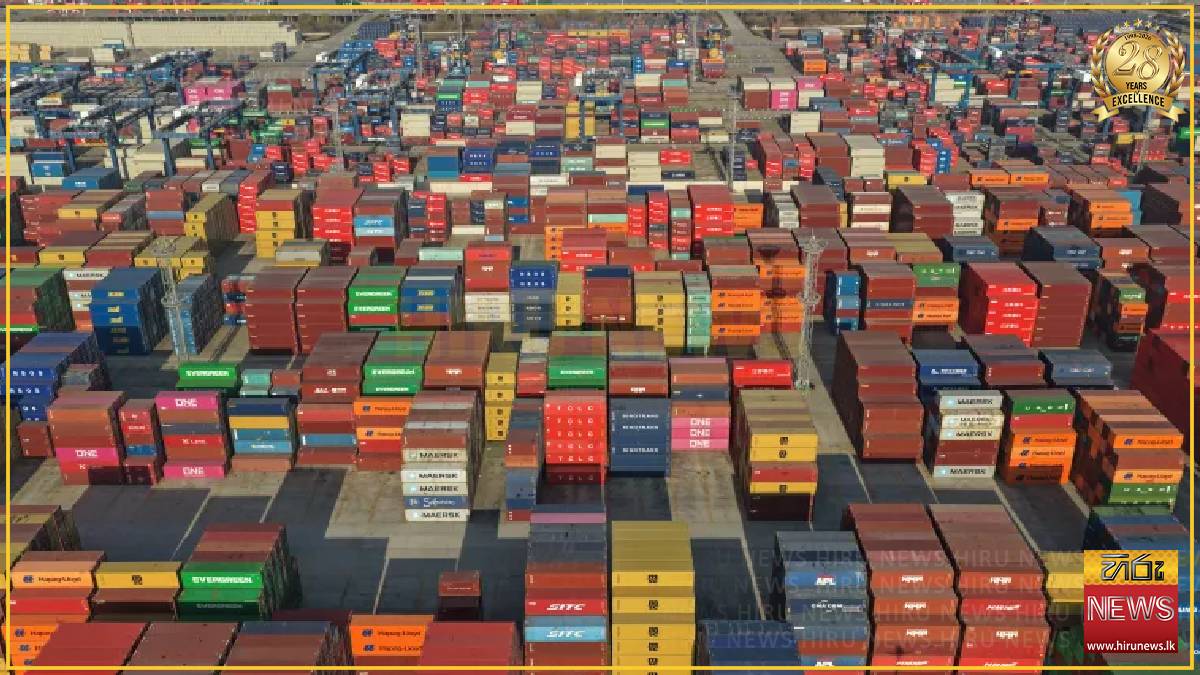


Sri Lanka has secured a lower 10% tariff rate on its exports to the United States under a new Section 301 trade directive, following a swift policy decision in Colombo to enact a national ban on imports produced with forced labour.
The determination, announced by the Office of the United States Trade Representative (USTR), shields Sri Lanka's key export industries, most notably its multi-billion-dollar apparel sector, from the steeper 12.5% baseline penalty imposed on non-compliant trade partners, including China, Thailand and Vietnam.
The Policy Shift
The trade action follows a months-long US investigation initiated in March into 60 global economies. The USTR formally determined that a failure to prohibit or effectively enforce bans on forced labour imports burdens American commerce, prompting the establishment of a multi-tiered tariff structure to compel compliance.
Initially at risk of facing the maximum penalty rate, Sri Lanka engaged in bilateral consultations with US officials and enacted an explicit national ban prohibiting the importation, circulation or sale of goods produced wholly or in part with forced labour. The regulation empowers Sri Lanka Customs to require certified documentation proving that incoming shipments and raw materials are free from coerced labour inputs.
Global Tariff Structure
Under the final US directive, trading partners have been categorised into three distinct tariff tiers:
- Tier 1 (10% Flat Rate): Applied to Sri Lanka, India, Bangladesh, Canada, Mexico, the United Kingdom and 11 other economies that instituted import prohibitions or reciprocal commitments.
- Tier 2 (Capped Net-of-MFN Rates): Applied to developed trade partners, including the European Union and Taiwan (capped at a total net duty of 10%), as well as Japan, South Korea and Switzerland (capped at 12.5%)
- Tier 3 (12.5% Flat Penalty): Applied to 38 non-compliant economies that failed to adopt forced labour import restrictions.
Unlike Tier 2 trade partners whose total import duties are capped relative to Most-Favoured-Nation (MFN) rates, Sri Lanka’s 10% tariff is applied as an additional duty on top of existing US customs rates.
Implications for Exporters
While the 10% duty adds an incremental cost for US buyers, the reduced rate gives Sri Lankan manufacturers a distinct competitive edge over regional competitors subject to the 12.5% penalty tariff.
However, trade experts emphasise that the long-term benefit depends on strict enforcement. To maintain smooth access to the US market, Sri Lankan manufacturers must implement rigorous supply-chain tracing to verify that all foreign inputs, such as imported raw cotton, synthetic yarns and intermediate components, are verifiably free of forced labour.
Latest News
Yemen teeters towards renewed war in shadow of Iran conflict

Spain declares national emergency over wildfires

JPMorgan warns 'super' El Niño and oil shock could prop up global inflation
Investors fret that spiking oil prices and rising yields could threaten stock rally
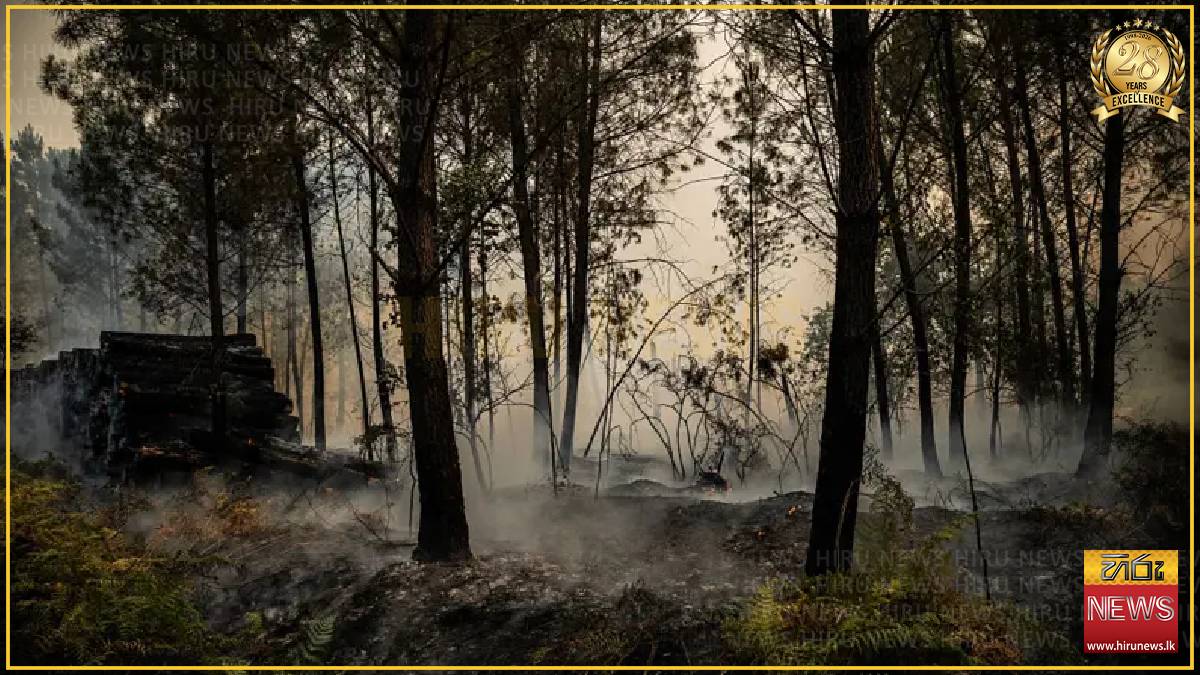
Nearly 31,000 acres destroyed by fires in Gironde region, France
Lyles, Richardson ease through opening 100m heats at US championships

Gold edges up as traders weigh Middle East conflict

Five UK police officers injured after boat strikes bridge in London
Volkswagen makes case for deep cuts as Chinese competitors close in on Europe

Brazil's Lula signs into law foie gras ban, angering France