



Share Post


The warning from the World Health Organisation (WHO) is dire.
The outbreak of the Ebola virus currently spreading in the eastern Democratic Republic of the Congo (DRC) might be one of the world’s worst, the agency has reiterated.
In the worst outbreak on record, the haemorrhagic viral disease killed more than 11,000 people in West Africa between 2014 and 2016. In the second-largest outbreak, from 2018 to 2020, 2,287 deaths were recorded in eastern DRC.
Health authorities warn this outbreak could be even more widespread because the region is battling the rare Bundibugyo strain, which has no approved treatments or vaccine.
Second, the disease had been transmitting for weeks without official detection before an outbreak was officially declared on May 15.
Analysts point to severely weakened disease surveillance resulting from global health aid cuts in the past year.
The virus is also spreading in eastern DRC, a region that is seeing protracted conflict, and where distrust of authorities is high, making it hard to track suspected or confirmed cases.
The epicentre is Ituri province, near the Ugandan border.
By July 21, more than 2,500 cases and 1000 deaths had been recorded, according to WHO. Uganda reported 20 cases, and two deaths. By July 16, authorities said the last confirmed patient had recovered.
By comparison, during the 2018 outbreak in the DRC, it took more than 10 months for the number of cases to reach 2,000.
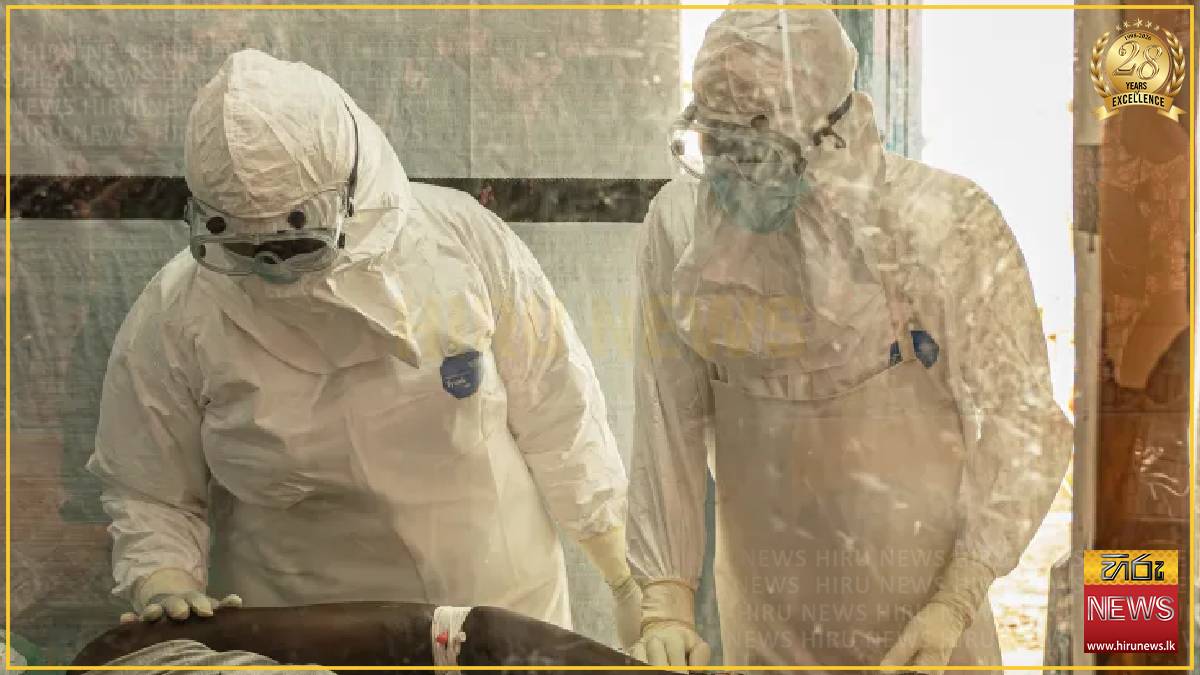
At the forefront of the fight to break the spread are health workers dealing with the risk of getting infected, a shortage of personal protective equipment (PPE), and deadly attacks from suspicious communities who do not believe in the virus, and thus do not seek medical help.
Many health workers also complain about unpaid salaries.
Last week, dozens at the Rwampara General Hospital downed their tools in a strike.
The hospital operates a major Ebola treatment centre and is located close to the city of Bunia in Ituri.
In May, parts of the centre were burned down by angry residents who also chased after health workers fleeing in trucks.
More than 100 health workers have been infected, and about 35 have died.
-Al Jazeera
The outbreak of the Ebola virus currently spreading in the eastern Democratic Republic of the Congo (DRC) might be one of the world’s worst, the agency has reiterated.
In the worst outbreak on record, the haemorrhagic viral disease killed more than 11,000 people in West Africa between 2014 and 2016. In the second-largest outbreak, from 2018 to 2020, 2,287 deaths were recorded in eastern DRC.
Health authorities warn this outbreak could be even more widespread because the region is battling the rare Bundibugyo strain, which has no approved treatments or vaccine.
Second, the disease had been transmitting for weeks without official detection before an outbreak was officially declared on May 15.
Analysts point to severely weakened disease surveillance resulting from global health aid cuts in the past year.
The virus is also spreading in eastern DRC, a region that is seeing protracted conflict, and where distrust of authorities is high, making it hard to track suspected or confirmed cases.
The epicentre is Ituri province, near the Ugandan border.
By July 21, more than 2,500 cases and 1000 deaths had been recorded, according to WHO. Uganda reported 20 cases, and two deaths. By July 16, authorities said the last confirmed patient had recovered.
By comparison, during the 2018 outbreak in the DRC, it took more than 10 months for the number of cases to reach 2,000.
At the forefront of the fight to break the spread are health workers dealing with the risk of getting infected, a shortage of personal protective equipment (PPE), and deadly attacks from suspicious communities who do not believe in the virus, and thus do not seek medical help.
Many health workers also complain about unpaid salaries.
Last week, dozens at the Rwampara General Hospital downed their tools in a strike.
The hospital operates a major Ebola treatment centre and is located close to the city of Bunia in Ituri.
In May, parts of the centre were burned down by angry residents who also chased after health workers fleeing in trucks.
More than 100 health workers have been infected, and about 35 have died.
-Al Jazeera
Latest News
Ceylon Tea must move beyond bulk exports - CTTA Chairman
Local
24 July 2026

Sri Lanka faces economic risk as tax revenue outpaces growth
Local
24 July 2026

21 leading companies involved in major dollar racket, CID tells court
Local
24 July 2026

Sri Lanka secures 10% US tariff rate for apparel exports
Local
24 July 2026

Hayleys Agriculture opens Lanka's first frozen concentrated coconut water plant
Local
24 July 2026

Softlogic Life completes acquisition of 60% stake in Bangladesh insurer
Local
24 July 2026

Trillion-dollar US defence bill would deepen military ties with Israel
Local
24 July 2026

CTTA re-elects Lushantha de Silva as Chairman again
Local
24 July 2026

Giant EVs are damaging China’s roads without paying for repairs
Local
24 July 2026

'Stuart Fails' expands The Big Bang Theory universe
Local
24 July 2026