



Share Post


Sri Lanka recorded one of the biggest improvements in the world in how it communicates with international investors.
That's according to the Institute of International Finance, the global association of banks and financial institutions, which released its annual Investor Relations and Debt Transparency Report this month.
The report scores 57 emerging and developing economies on how openly they share debt, fiscal and policy information.
Sri Lanka scored just under 44 points out of 50, placing it 14th overall, and well above the survey average of 37.
More striking is the movement.
Sri Lanka's score rose by more than 6 points in a single year, the fourth-largest gain of any country assessed.
Only Vietnam, Belize and Mozambique improved faster.
Sri Lanka scored full marks in several areas, including the availability of forward-looking policy information and access to senior policymakers.
But the report identifies gaps, chiefly in investor outreach.
Sri Lanka scored poorly on non-deal roadshows, on keeping an active investor contact list, and on publishing archives of investor presentations.
The report's central argument is what it calls the "transparency dividend", the idea that clear, predictable disclosure lowers borrowing costs by reducing uncertainty.
But it cautions that transparency cannot repair weak fundamentals.
Where a country's fiscal position is fragile, the report says, open disclosure will expose that weakness rather than hide it.
Globally, the number of countries running formal investor relations programmes has risen to 41, up from just 8 when the assessment began in 2005.
That's according to the Institute of International Finance, the global association of banks and financial institutions, which released its annual Investor Relations and Debt Transparency Report this month.
The report scores 57 emerging and developing economies on how openly they share debt, fiscal and policy information.
Sri Lanka scored just under 44 points out of 50, placing it 14th overall, and well above the survey average of 37.
More striking is the movement.
Sri Lanka's score rose by more than 6 points in a single year, the fourth-largest gain of any country assessed.
Only Vietnam, Belize and Mozambique improved faster.
Sri Lanka scored full marks in several areas, including the availability of forward-looking policy information and access to senior policymakers.
But the report identifies gaps, chiefly in investor outreach.
Sri Lanka scored poorly on non-deal roadshows, on keeping an active investor contact list, and on publishing archives of investor presentations.
The report's central argument is what it calls the "transparency dividend", the idea that clear, predictable disclosure lowers borrowing costs by reducing uncertainty.
But it cautions that transparency cannot repair weak fundamentals.
Where a country's fiscal position is fragile, the report says, open disclosure will expose that weakness rather than hide it.
Globally, the number of countries running formal investor relations programmes has risen to 41, up from just 8 when the assessment began in 2005.
Latest News
Chinese plateau salmon expands into global markets
Local
01 August 2026

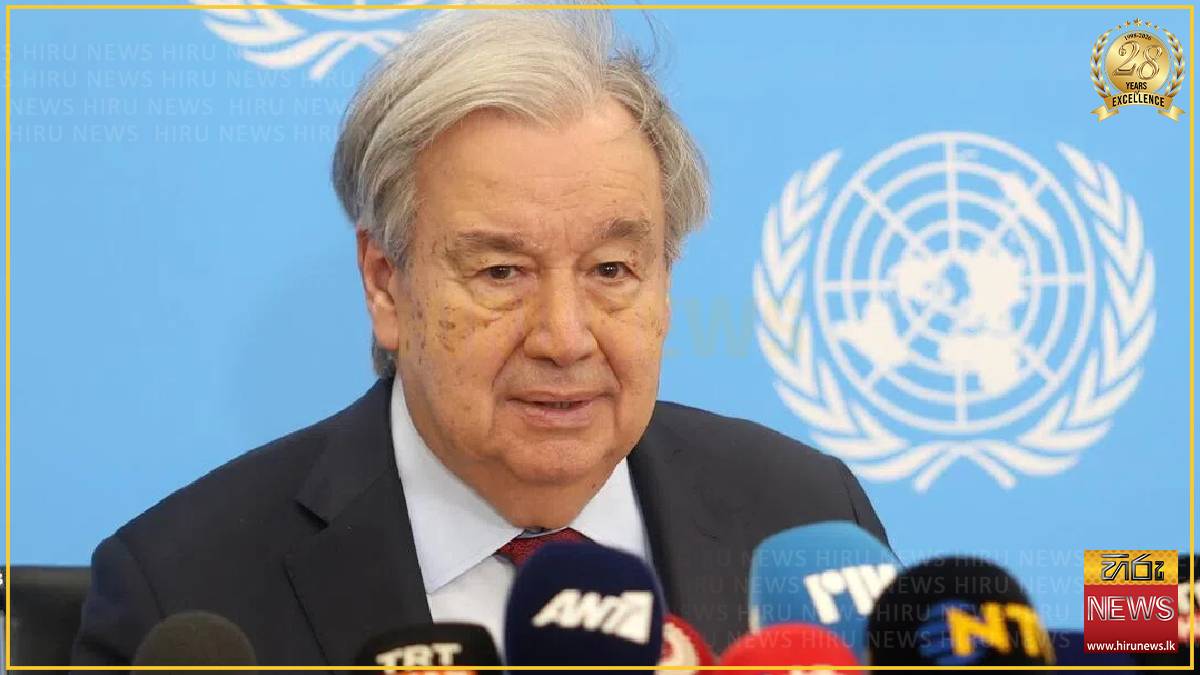
Hamas agreement is the "only good news" in recent days, UN chief says
Local
01 August 2026
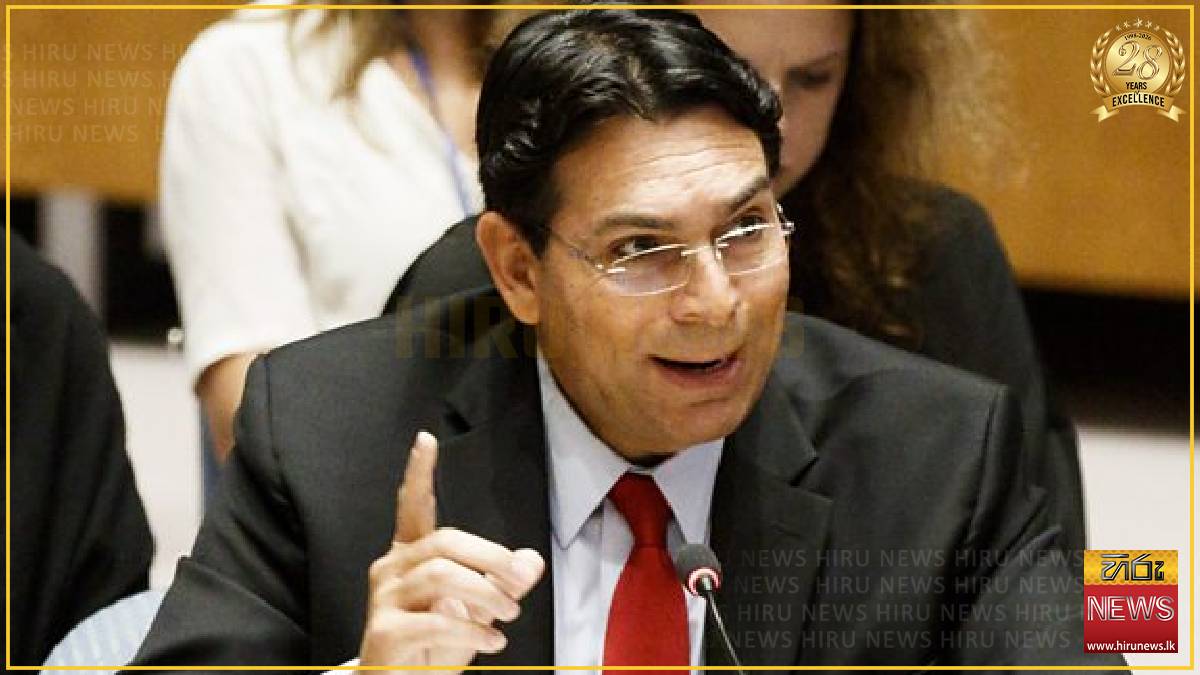
Israel’s UN Envoy says Hamas must disarm first before sides can "move forward"
Local
01 August 2026
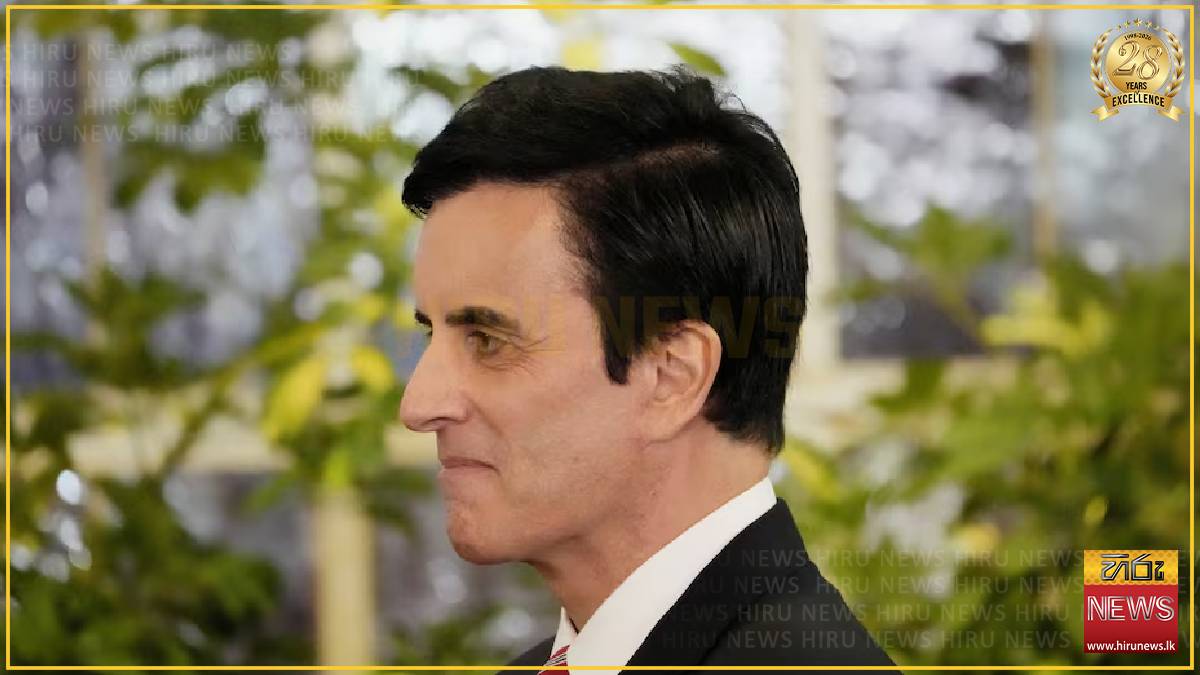
Peru's new Foreign Minister eyes stronger US ties as Fujimori takes office
Local
01 August 2026
Lebanese leaders condemn latest Israeli attacks in country's south
Local
01 August 2026
Trump says ICC campaign aimed at defending Netanyahu, not himself
Local
01 August 2026

Oil price rises after Iran says it stops ships in Hormuz
Local
01 August 2026
Trump says US must be ‘very careful’ on giving Patriot air defence licence to Ukraine
Local
01 August 2026

Founder of Russian retailer Wildberries calls Ukrainian attacks 'acts of terrorism'
Local
01 August 2026

Sam Fender and Olivia Dean duet becomes longest-running top single in UK
Local
31 July 2026