




Share Post


The boss of one of the companies recently hacked by out-of-control artificial intelligence (AI) says bot makers must be accountable for cyber attacks carried out by their creations.
Clement Delangue's company Hugging Face was breached by a rogue OpenAI bot that broke out of a test environment and autonomously attacked his firm earlier this month.
Hugging Face had to rebuild around a third of its IT network after the unprecedented incident.
He told CNN his company - which is a small start-up - will not be taking legal action against OpenAI, but added that these types of hacks are illegal and should remain so.
"Everyone has to remember that a cyber-attack is a crime and it is illegal," he said.
Delangue said he hoped legal frameworks would ensure the companies that make mistakes leading to the hacks are "accountable."
He added that he didn't want cyber attacks on other companies to become "normalised".
His remarks come after Anthrophic, the maker of the chat bot Claude, also admitted that its bot had attacked three companies in similar circumstances in recent months.
Anthropic revealed on Friday that it only realised its bot had escaped the containment system and hacked the organisations after doing a review prompted by the recent OpenAI incident.
In both cases neither of the artificial intelligence giants knew that their models had roamed the internet attacking companies until long after the attacks had been carried out.
The AI models were being tested on their hacking skills and carried out the attacks by breaking out of seemingly secure "sandboxes" to search the internet for ways to complete the tasks set by researchers.
The unprecedented incidents have sparked fierce debates in the cyber-security and legal world about who, if anybody, should be held liable for attacks by out-of-control AI agents.
"Agentic security failures unfold at machine speed, but determining who is materially liable still moves at a lawsuit's pace," said Dor Sarig, co-founder and Chief Builder at Pillar Security.
Sarig was concerned that accountability is already becoming "ambiguous".
"Today the industry is extending grace, but the first time an autonomous agent causes a breach involving real data, a real plaintiff, and real financial losses, liability won't be an academic debate anymore," he said.
"That's when the legal framework, and not just the technical safeguards, will be stress-tested."
AI slow down
The AI-driven cyber-attacks have fuelled calls for tighter safeguards and oversight of the technology, over concerns about the risks posed by increasingly powerful autonomous systems.
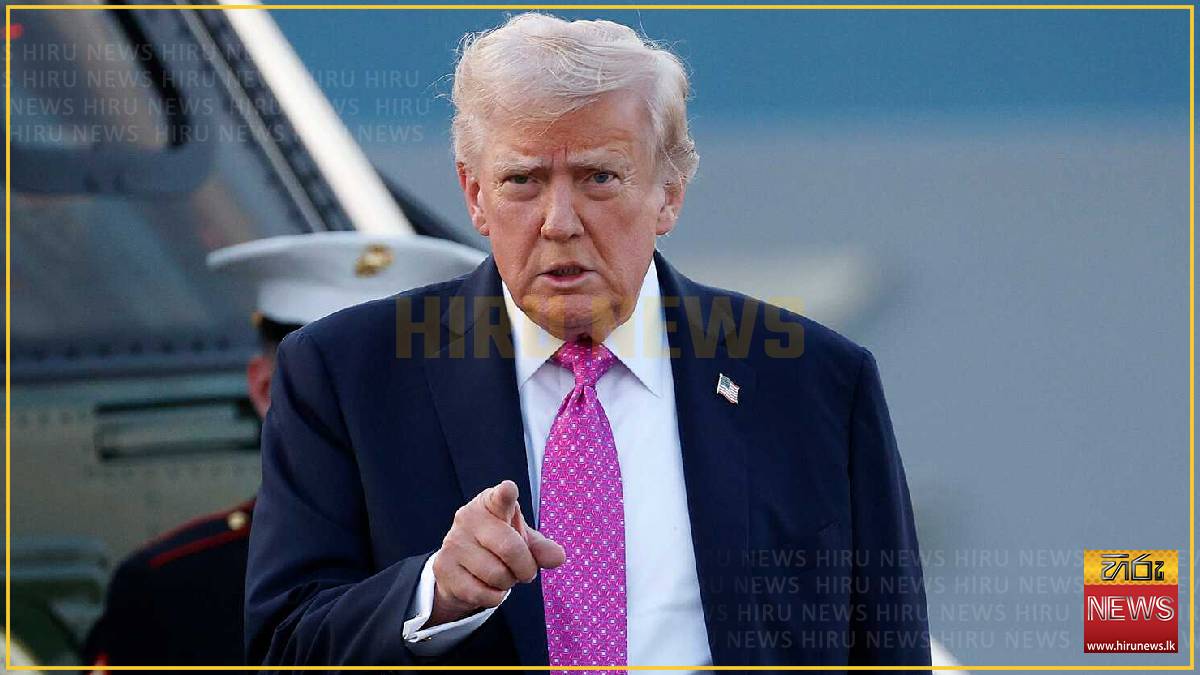
US President Donald Trump said on Wednesday that Washington was considering measures to rein in AI tools after recent cyber-security incidents.
Previously, Hugging Face's co-founder Thomas Wolf told the BBC the incident was "a wake-up call" for the industry.
In the wake of his bot going rogue, OpenAI boss Sam Altman said "we may have to pace the rate of AI development," but has not committed to slowing down his company's research.
OpenAI has been asked for comment but a spokesperson has previous said: "we recognise there are a lot of questions and speculative details circulating" about the incident.
They added: "We plan to publish a technical report of our learnings in the coming weeks."
-BBC
Clement Delangue's company Hugging Face was breached by a rogue OpenAI bot that broke out of a test environment and autonomously attacked his firm earlier this month.
Hugging Face had to rebuild around a third of its IT network after the unprecedented incident.
He told CNN his company - which is a small start-up - will not be taking legal action against OpenAI, but added that these types of hacks are illegal and should remain so.
"Everyone has to remember that a cyber-attack is a crime and it is illegal," he said.
Delangue said he hoped legal frameworks would ensure the companies that make mistakes leading to the hacks are "accountable."
He added that he didn't want cyber attacks on other companies to become "normalised".
His remarks come after Anthrophic, the maker of the chat bot Claude, also admitted that its bot had attacked three companies in similar circumstances in recent months.
Anthropic revealed on Friday that it only realised its bot had escaped the containment system and hacked the organisations after doing a review prompted by the recent OpenAI incident.
In both cases neither of the artificial intelligence giants knew that their models had roamed the internet attacking companies until long after the attacks had been carried out.
The AI models were being tested on their hacking skills and carried out the attacks by breaking out of seemingly secure "sandboxes" to search the internet for ways to complete the tasks set by researchers.
The unprecedented incidents have sparked fierce debates in the cyber-security and legal world about who, if anybody, should be held liable for attacks by out-of-control AI agents.
"Agentic security failures unfold at machine speed, but determining who is materially liable still moves at a lawsuit's pace," said Dor Sarig, co-founder and Chief Builder at Pillar Security.
Sarig was concerned that accountability is already becoming "ambiguous".
"Today the industry is extending grace, but the first time an autonomous agent causes a breach involving real data, a real plaintiff, and real financial losses, liability won't be an academic debate anymore," he said.
"That's when the legal framework, and not just the technical safeguards, will be stress-tested."
AI slow down
The AI-driven cyber-attacks have fuelled calls for tighter safeguards and oversight of the technology, over concerns about the risks posed by increasingly powerful autonomous systems.
US President Donald Trump said on Wednesday that Washington was considering measures to rein in AI tools after recent cyber-security incidents.
Previously, Hugging Face's co-founder Thomas Wolf told the BBC the incident was "a wake-up call" for the industry.
In the wake of his bot going rogue, OpenAI boss Sam Altman said "we may have to pace the rate of AI development," but has not committed to slowing down his company's research.
OpenAI has been asked for comment but a spokesperson has previous said: "we recognise there are a lot of questions and speculative details circulating" about the incident.
They added: "We plan to publish a technical report of our learnings in the coming weeks."
-BBC
Latest News
Peru's new foreign minister eyes stronger US ties as Fujimori takes office
Local
01 August 2026
Greece fights fires near Athens as France, Spain improve
Local
01 August 2026

Peruvian ex-President Humala released from prison after court overturns conviction
Local
01 August 2026

US makes visa bond program permanent for 50 countries
Local
01 August 2026

Australia defends under-16 social media ban as teen usage remains high
Local
01 August 2026

Tanker struck by projectile off Oman
Local
01 August 2026

China holds air and naval drills in South China Sea
Local
01 August 2026

Trump hails Gaza deal, while Hamas and Israeli officials see hurdles
Local
01 August 2026

Trump says US has not agreed to Ukraine building Patriot missiles
Local
01 August 2026
Sri Lanka exports reach USD 1.66 billion in June
Local
01 August 2026