




Share Post


The recent deaths of 15 elephants near a park in southern Kenya were likely caused by the animals ingesting pesticides used on tomato farms, the Kenya Wildlife Service (KWS) has said.
Erustus Kanga, the agency’s director general, told Citizen TV that analysis of samples collected from the carcasses had found traces of cyanide, a chemical compound used in farming as a predator control poison and a pest fumigant, which has also been used by poachers.
“Cyanide is a highly toxic chemical,” he said. “If elephants consume cyanide, they cannot survive a day or two.”
The deaths occurred in the Kimana sanctuary and Kuku Group ranch areas around Amboseli national park, an area covering 392 sq km (96,865 acres) and that, together with other neighbouring conservancies are home to more than 1,600 elephants.
Kimana town is a leading tomato producer and a place where researchers at the Route to Food Initiative, a food rights programme, have previously reported the use of a cyanide substance on the crop.
Isaac Lekolool, the head of veterinary and capture services at KWS, told Citizen TV that the stomach contents of one member of a herd that roamed Kimana sanctuary included “lots of tomatoes,” suggesting agrochemical poisoning.
Kanga warned that the effects could reach a wider population, as livestock may also eat from farms in the area.
“We have the goats, we have the cattle that are there. Eventually, if this cyanide is truly the one that is in the system, then we are going to see a bigger impact.”
On Tuesday, KWS announced it was investigating the deaths of the elephants from 24 June and 24 July in Amboseli. It said 10 of the elephants had shown signs of partial paralysis before dying and that preliminary tests had detected a potential toxic substance.
Benson Leyian, the CEO of Big Life Foundation, a conservation organisation that operates in the area surrounding Amboseli national park, said the elephant deaths were a cause for concern.
“Thanks to decades of community-centred conservation, the Amboseli elephant population is one of the best protected in Africa, and elephant poaching has been virtually eliminated here. Aside from losses during periods of severe drought, we haven’t seen a cluster of elephant deaths like this for some time,” he said.
In a statement, the International Fund for Animal Welfare described the deaths as “deeply alarming”, adding the incident “reinforces why we must continue investing in science, monitoring, and collaborative conservation efforts”.
“Every elephant lost is significant – not only for the species, but for the health of the ecosystems they help sustain and the communities that live alongside them,” it said.
Farmers and herders in Kenya have in the past poisoned wildlife in retaliation for eating their crops and livestock.
In Zimbabwe, poachers have killed dozens of elephants by lacing watering holes and salt licks with the chemical compound.
The Amboseli ecosystem is a major source of tourism revenue, but tensions have been building in recent months as local leaders demand the handover of the park’s management and operations to the government of Kajiado county, where it is located. Earlier this month, a court suspended the county government’s takeover.
-The Guardian
Erustus Kanga, the agency’s director general, told Citizen TV that analysis of samples collected from the carcasses had found traces of cyanide, a chemical compound used in farming as a predator control poison and a pest fumigant, which has also been used by poachers.
“Cyanide is a highly toxic chemical,” he said. “If elephants consume cyanide, they cannot survive a day or two.”
The deaths occurred in the Kimana sanctuary and Kuku Group ranch areas around Amboseli national park, an area covering 392 sq km (96,865 acres) and that, together with other neighbouring conservancies are home to more than 1,600 elephants.
Kimana town is a leading tomato producer and a place where researchers at the Route to Food Initiative, a food rights programme, have previously reported the use of a cyanide substance on the crop.
Isaac Lekolool, the head of veterinary and capture services at KWS, told Citizen TV that the stomach contents of one member of a herd that roamed Kimana sanctuary included “lots of tomatoes,” suggesting agrochemical poisoning.
Kanga warned that the effects could reach a wider population, as livestock may also eat from farms in the area.
“We have the goats, we have the cattle that are there. Eventually, if this cyanide is truly the one that is in the system, then we are going to see a bigger impact.”
On Tuesday, KWS announced it was investigating the deaths of the elephants from 24 June and 24 July in Amboseli. It said 10 of the elephants had shown signs of partial paralysis before dying and that preliminary tests had detected a potential toxic substance.
Benson Leyian, the CEO of Big Life Foundation, a conservation organisation that operates in the area surrounding Amboseli national park, said the elephant deaths were a cause for concern.
“Thanks to decades of community-centred conservation, the Amboseli elephant population is one of the best protected in Africa, and elephant poaching has been virtually eliminated here. Aside from losses during periods of severe drought, we haven’t seen a cluster of elephant deaths like this for some time,” he said.
In a statement, the International Fund for Animal Welfare described the deaths as “deeply alarming”, adding the incident “reinforces why we must continue investing in science, monitoring, and collaborative conservation efforts”.
“Every elephant lost is significant – not only for the species, but for the health of the ecosystems they help sustain and the communities that live alongside them,” it said.
Farmers and herders in Kenya have in the past poisoned wildlife in retaliation for eating their crops and livestock.
In Zimbabwe, poachers have killed dozens of elephants by lacing watering holes and salt licks with the chemical compound.
The Amboseli ecosystem is a major source of tourism revenue, but tensions have been building in recent months as local leaders demand the handover of the park’s management and operations to the government of Kajiado county, where it is located. Earlier this month, a court suspended the county government’s takeover.
-The Guardian
Latest News
Deadly bomb explosion at Moscow restaurant was ‘terrorist attack,’ mayor says
Local
02 August 2026

Helicopters fighting Greece wildfires collide in mid-air
Local
02 August 2026
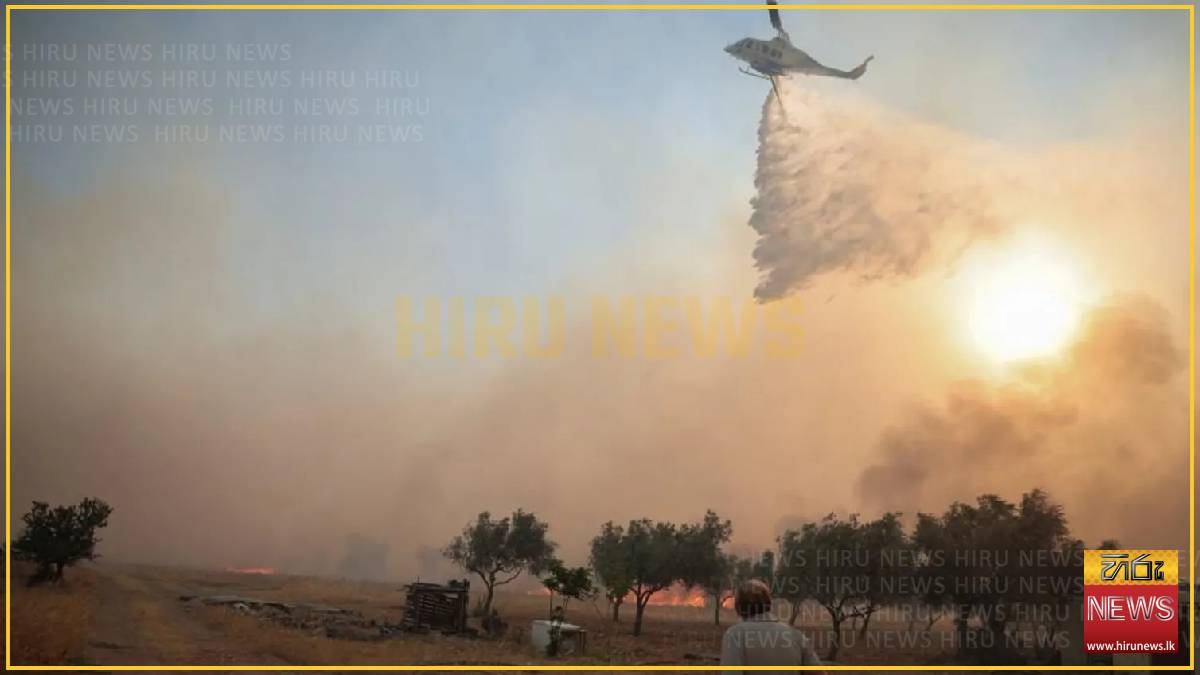
Europe's 1,400+ fires choke skies with 18M Tonnes of CO2
Local
03 August 2026

Mother and newborn both claimed by cengue just two days before birth
Local
02 August 2026

Death toll from migrant rush into Ceuta rises to 72
Local
02 August 2026

Vito Wood Fired Pizza expands with sixth outlet at City of Dreams
Local
02 August 2026

Rough seas ahead, Puttalam-Galle fishermen told to stay ashore
Local
02 August 2026
Global Sri Lankan Kumara Kumariya crowns winners in at Ramadia Grande, Moratuwa
Local
02 August 2026

Exterminators launches AI-powered PACCP-X framework
Local
02 August 2026

Galle to Pottuvil seas to see strong winds, fishermen warned
Local
02 August 2026