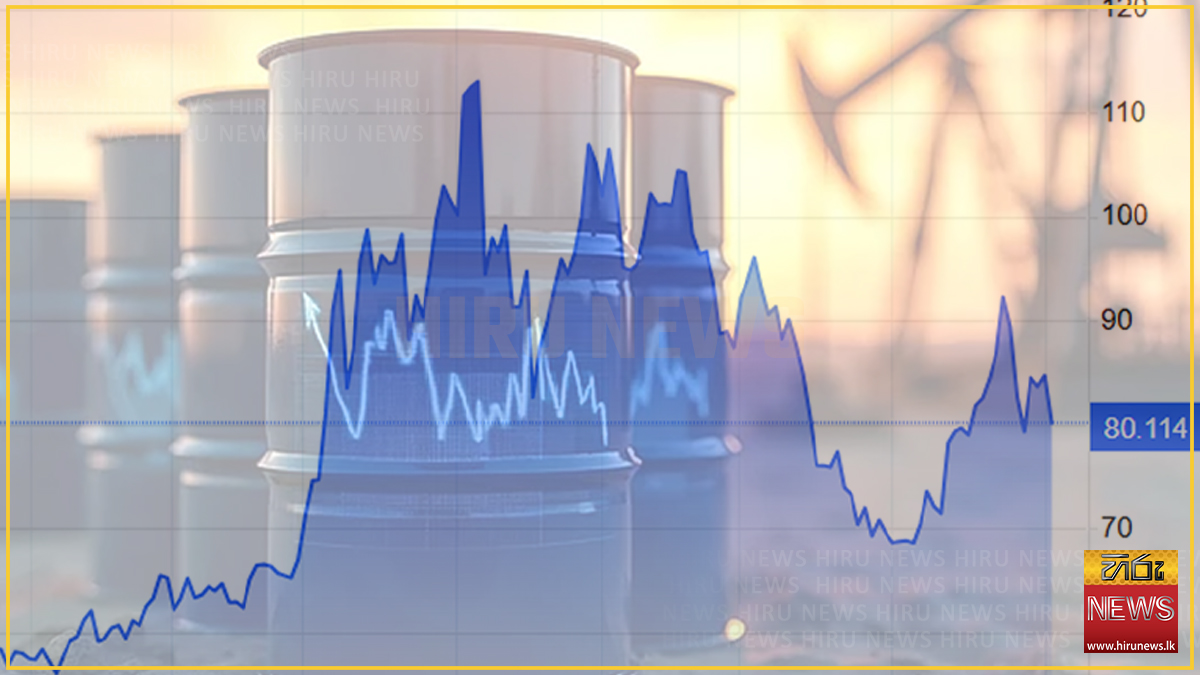






Sri Lanka's fuel import bill surged to over USD 3.1 billion in the first half of this year, a jump of nearly 60% from the same period in 2025.
That's according to the Central Bank's latest External Sector Bulletin, which shows fuel now accounts for more than 25% of the country's total import spending. Of the USD 2.6 billion increase in overall imports this year, fuel alone contributed close to USD 1.2 billion, nearly half of all import growth.
The impact on the trade balance has been dramatic. The trade deficit for the first six months of the year has ballooned to nearly USD 5.5 billion, up 68% from USD 3.3 billion in the same period last year. In June alone, the deficit widened to USD 828 million, compared to USD 540 million a year earlier. Fuel accounts for more than half of that widening gap.
The composition of the fuel bill is raising particular concern. Refined petroleum imports jumped almost 79% to over USD 2.5 billion, while crude oil imports grew only 7.5%. Refined products now make up 80% of the fuel bill, up from around 71% a year ago.
Analysts say this shift is costly. Importing finished fuel instead of refining crude at home means paying refining margins to overseas suppliers, effectively the most expensive way to meet the country's energy needs. In June alone, crude imports actually fell 16%, while refined petroleum imports jumped 59%, suggesting domestic refining is not keeping pace with demand.
And that demand is growing fast. Following the liberalisation of vehicle imports, personal vehicle imports have nearly tripled to over USD 970 million, while commercial vehicle imports rose 146%. Every new vehicle on the road adds to the nation's recurring fuel needs, meaning the import surge of today locks in higher fuel bills for years to come.
There is a partial offset. Sri Lanka's petroleum exports, mainly bunker fuel for ships and aviation fuel, rose 55% to around USD 720 million, supported by the bunkering trade at the Colombo Port. But even accounting for those earnings, the country's net fuel bill still climbed 60%, from about USD 1.5 billion to nearly USD 2.5 billion.
Meanwhile, exports overall grew just 6.3% to USD 6.9 billion, far behind import growth of nearly 27%, with the country's largest export, textiles and garments, actually declining almost 6%.
The pressure comes at a delicate moment for the economy. The rupee has weakened nearly 8% against the US dollar this year, making every barrel of dollar-priced fuel more expensive in rupee terms. Official reserves stand at USD 6.5 billion, covering just 3.2 months of imports, down from nearly 4 months last year.
The wider picture is sobering. The current account, which recorded a surplus of over USD 1.4 billion in the first half of last year, has swung into a deficit of USD 245 million. Workers' remittances, up 23% to USD 4.6 billion, remain the economy's main cushion, though the Central Bank notes some of that increase includes one-off transfers following Cyclone Ditwah.
With global oil prices holding above USD 117 a barrel, and vehicle-driven demand still rising, economists warn both the fuel bill and the trade gap could keep widening through the second half of the year, testing the country's external buffers just as foreign debt repayments resume.
Latest News
Suspected suicide bombing at police station kills at least 14 in Pakistan

British Football Associaton becomes first to withdraw support for Gianni Infantino's FIFA re-election

About 60,000 ordered to evacuate from fires in Spokane, Washington

Three spill gates of Upper Kotmale Reservoir open automatically

First mass H5 bird flu deaths confirmed in Australian seabirds

Vehicle damaged after collision with wild elephant

Ariana Grande to take a break from public life

Police investigate whether disrupted drug smuggling caused Mahara prison unrest
18 injured in bus collision at Kegalle

Oil tumbles as Trump cancels attack on Iran to reach nuclear deal