



Share Post


At least 22 children have died in Gujarat after contracting the Chandipura Vesiculovirus (CHPV) during the ongoing monsoon season, state Health Minister Praful Panseriya said on Monday.
Seven children who tested positive for the infection are currently undergoing treatment in civil hospitals across the state, while six others have recovered and been discharged.
According to the Gujarat Health Department, the state has reported 184 suspected cases of acute encephalitis syndrome (AES), a condition that causes inflammation of the brain. Of these, 35 cases have been confirmed as Chandipura virus infections through laboratory tests, while results for 11 samples are awaited.
All confirmed cases involve children below the age of 15.
Cases reported across Gujarat
Health Minister Panseriya said the outbreak has not been limited to one particular district, with infections being reported from several parts of Gujarat.
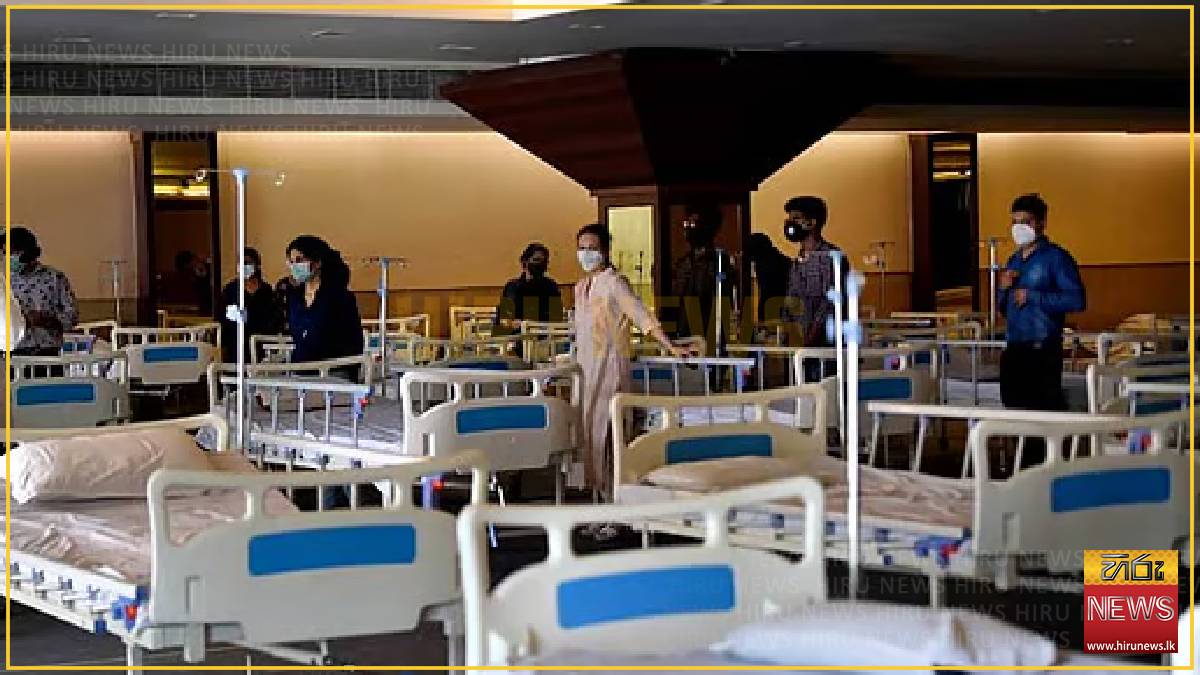
Children affected by the virus are currently being treated at civil and specialised maternal and child health facilities in Gandhinagar, Himmatnagar in Sabarkantha district, Patan, Rajkot and Bhavnagar.
The minister said hospitals across the state have been instructed to immediately admit children showing symptoms linked to the virus and provide intensive care, including oxygen and ventilator support if required.
"Early medical intervention is crucial to prevent rapid deterioration and serious complications, including multiple organ failure," Panseriya said.
Health teams step up prevention measures
Authorities have launched prevention and surveillance drives across rural and semi-urban areas to contain the spread of the virus.
Since sandflies, which are the primary carriers of Chandipura virus, often breed in mud walls, livestock areas and cracks in floors, health teams have focused on reducing exposure to these breeding sites.
Measures being taken include:
Spraying insecticides and malathion around cattle sheds and livestock areas.
Advising rural households to seal cracks in mud walls and improve sanitation.
Conducting door-to-door screenings through Accredited Social Health Activist (ASHA) workers to identify children with sudden high fever or other warning signs.
"Early medical intervention is crucial to prevent rapid deterioration and serious complications, including multiple organ failure," Panseriya said.
Health teams step up prevention measures
Authorities have launched prevention and surveillance drives across rural and semi-urban areas to contain the spread of the virus.
Since sandflies, which are the primary carriers of Chandipura virus, often breed in mud walls, livestock areas and cracks in floors, health teams have focused on reducing exposure to these breeding sites.
Measures being taken include:
Spraying insecticides and malathion around cattle sheds and livestock areas.
Advising rural households to seal cracks in mud walls and improve sanitation.
Conducting door-to-door screenings through Accredited Social Health Activist (ASHA) workers to identify children with sudden high fever or other warning signs.
Health officials have also urged hospitals to remain alert and ensure children showing symptoms receive immediate medical attention.
What is Chandipura virus?
Chandipura virus was first identified in 1965 in Chandipura village in Maharashtra. It belongs to the Rhabdoviridae family of viruses and is known to cause acute encephalitis, particularly among children.
The virus is mainly transmitted through the bite of infected sandflies, though mosquitoes and ticks can also spread it.
Symptoms usually appear suddenly and may include high fever, vomiting, seizures, confusion, altered consciousness and diarrhoea.
There is currently no specific antiviral treatment or vaccine available for Chandipura virus. Doctors rely on supportive care, early diagnosis and intensive monitoring to manage severe cases.
Health authorities have advised parents not to panic but to seek immediate medical help if children develop unexplained high fever, unusual tiredness, vomiting or changes in behaviour.
Symptoms usually appear suddenly and may include high fever, vomiting, seizures, confusion, altered consciousness and diarrhoea.
There is currently no specific antiviral treatment or vaccine available for Chandipura virus. Doctors rely on supportive care, early diagnosis and intensive monitoring to manage severe cases.
Health authorities have advised parents not to panic but to seek immediate medical help if children develop unexplained high fever, unusual tiredness, vomiting or changes in behaviour.
=The First Post
Seven children who tested positive for the infection are currently undergoing treatment in civil hospitals across the state, while six others have recovered and been discharged.
According to the Gujarat Health Department, the state has reported 184 suspected cases of acute encephalitis syndrome (AES), a condition that causes inflammation of the brain. Of these, 35 cases have been confirmed as Chandipura virus infections through laboratory tests, while results for 11 samples are awaited.
All confirmed cases involve children below the age of 15.
Cases reported across Gujarat
Health Minister Panseriya said the outbreak has not been limited to one particular district, with infections being reported from several parts of Gujarat.
Children affected by the virus are currently being treated at civil and specialised maternal and child health facilities in Gandhinagar, Himmatnagar in Sabarkantha district, Patan, Rajkot and Bhavnagar.
The minister said hospitals across the state have been instructed to immediately admit children showing symptoms linked to the virus and provide intensive care, including oxygen and ventilator support if required.
"Early medical intervention is crucial to prevent rapid deterioration and serious complications, including multiple organ failure," Panseriya said.
Health teams step up prevention measures
Authorities have launched prevention and surveillance drives across rural and semi-urban areas to contain the spread of the virus.
Since sandflies, which are the primary carriers of Chandipura virus, often breed in mud walls, livestock areas and cracks in floors, health teams have focused on reducing exposure to these breeding sites.
Measures being taken include:
Spraying insecticides and malathion around cattle sheds and livestock areas.
Advising rural households to seal cracks in mud walls and improve sanitation.
Conducting door-to-door screenings through Accredited Social Health Activist (ASHA) workers to identify children with sudden high fever or other warning signs.
"Early medical intervention is crucial to prevent rapid deterioration and serious complications, including multiple organ failure," Panseriya said.
Health teams step up prevention measures
Authorities have launched prevention and surveillance drives across rural and semi-urban areas to contain the spread of the virus.
Since sandflies, which are the primary carriers of Chandipura virus, often breed in mud walls, livestock areas and cracks in floors, health teams have focused on reducing exposure to these breeding sites.
Measures being taken include:
Spraying insecticides and malathion around cattle sheds and livestock areas.
Advising rural households to seal cracks in mud walls and improve sanitation.
Conducting door-to-door screenings through Accredited Social Health Activist (ASHA) workers to identify children with sudden high fever or other warning signs.
Health officials have also urged hospitals to remain alert and ensure children showing symptoms receive immediate medical attention.
What is Chandipura virus?
Chandipura virus was first identified in 1965 in Chandipura village in Maharashtra. It belongs to the Rhabdoviridae family of viruses and is known to cause acute encephalitis, particularly among children.
The virus is mainly transmitted through the bite of infected sandflies, though mosquitoes and ticks can also spread it.
Symptoms usually appear suddenly and may include high fever, vomiting, seizures, confusion, altered consciousness and diarrhoea.
There is currently no specific antiviral treatment or vaccine available for Chandipura virus. Doctors rely on supportive care, early diagnosis and intensive monitoring to manage severe cases.
Health authorities have advised parents not to panic but to seek immediate medical help if children develop unexplained high fever, unusual tiredness, vomiting or changes in behaviour.
Symptoms usually appear suddenly and may include high fever, vomiting, seizures, confusion, altered consciousness and diarrhoea.
There is currently no specific antiviral treatment or vaccine available for Chandipura virus. Doctors rely on supportive care, early diagnosis and intensive monitoring to manage severe cases.
Health authorities have advised parents not to panic but to seek immediate medical help if children develop unexplained high fever, unusual tiredness, vomiting or changes in behaviour.
=The First Post
Latest News
Oil companies, profiting from the US-Iran war, pose a problem for Trump
Local
04 August 2026

Iran says Hormuz talks with Oman continue as Qatar calls for regional consensus
Local
04 August 2026

Democratic lawmakers push Pentagon on Iran casualty accounting
Local
04 August 2026

Wildfires ease in Greece as people return to gutted homes
Local
04 August 2026

Cyclosporiasis cases in Michigan climb to 11,508 in ongoing outbreak
Local
04 August 2026

US-facilitated Israel-Lebanon talks have begun, US says
Local
04 August 2026
Air India Phuket-Delhi plane dropped 300 feet, 17 injured in mid-air scare
Local
04 August 2026

Record funding package announced for Britain's winter athletes
Local
04 August 2026

North Korea's Vietnam War dead to get first memorial 60 years on
Local
04 August 2026

'We are cool' - Szoboszlai plays down Liverpool row
Local
04 August 2026