


Share Post


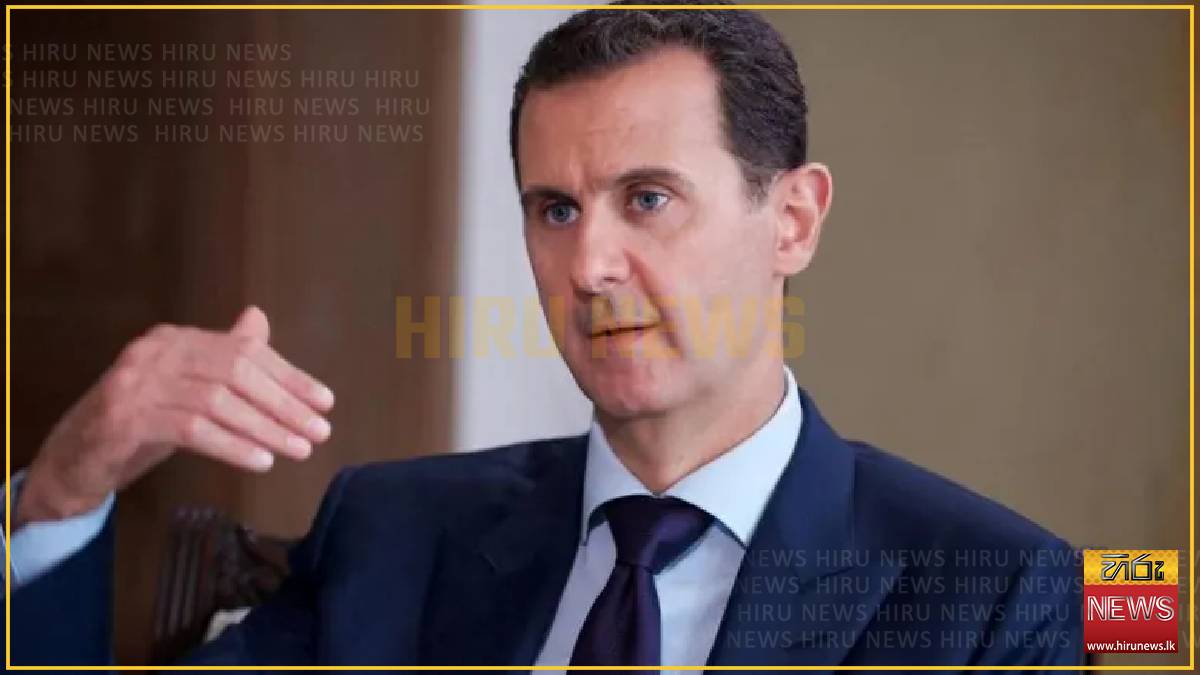
A Syrian court has sentenced ousted dictator Bashar al-Assad to death in absentia, after convicting him of committing war crimes and crimes against humanity during the country's civil war.
It is the first conviction against Assad, who fled from Damascus to Moscow with his family after his regime was overthrown in December 2024, ending his family's five-decade grip on power.
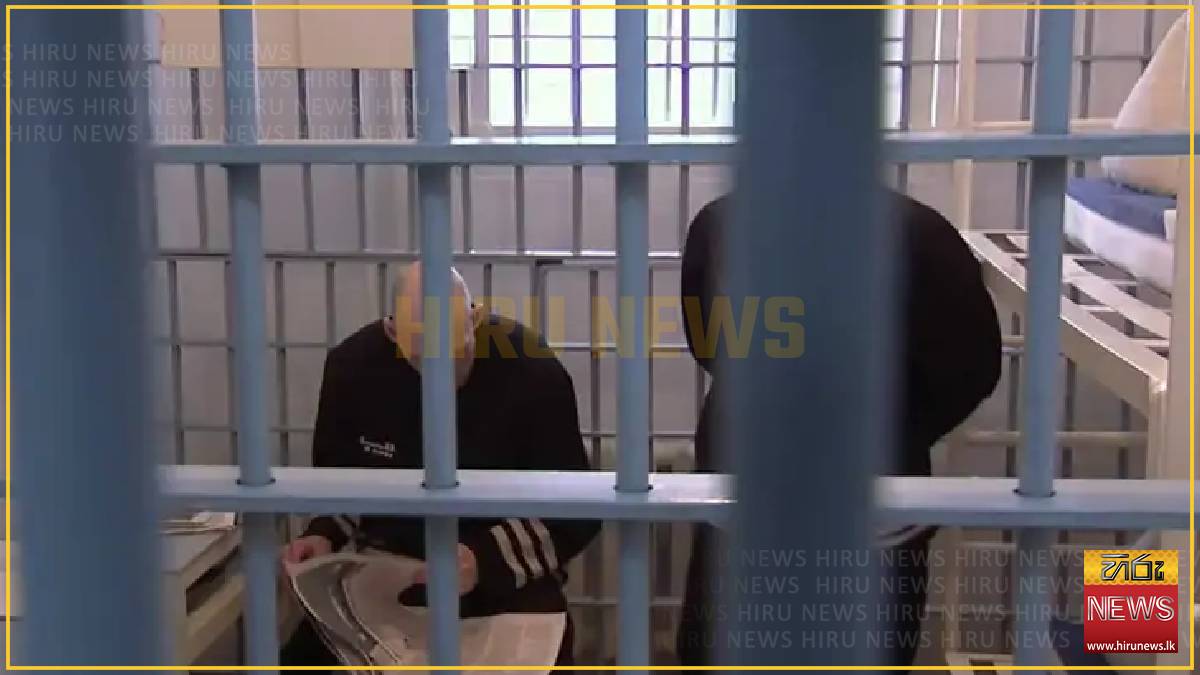
Assad's cousin and the former head of political security in southern Syria's Deraa province, Atef Najib, was also sentenced to death. He had been put on trial and appeared wearing a striped prison uniform inside a cage in the courtroom as the judge read out his sentence.
Deraa is widely seen as the birthplace of the uprising against Assad's rule.
In March 2011, the detention and alleged torture of a group of teenagers accused of writing anti-government graffiti sparked protests in the city, which were met with a violent crackdown by security forces.
That response helped ignite nationwide demonstrations that escalated into civil war in which hundreds of thousands of people were killed.
Syria's interim government began trying officials associated with the Assad regime, which ruled the country for more than 50 years, earlier this year.
Najib is one of the highest-ranking officials to be put on trial.
He was convicted of crimes including murder, "the intentional killing of children under 15" and "torture leading to death".
The court also sentenced six former military and security officials in absentia to death, including Bashar al-Assad's younger brother, Maher. He ran the army's elite Fourth Division and also fled to Moscow when the regime fell.
The others convicted include former defence minister Fahd al-Freij.
Nouha al-Masri has spent 15 years waiting for this moment.
She is not just part of the five person prosecution team, she is also a plaintiff in this case.
Masri lost her brother during the March 2011 crackdown and massacre at Al-Omari Square in Deraa.
"The verdict reflects the magnitude of the sacrifices we made, the sacrifices of the martyrs, the suffering and pain of the victims, the missing, and the detainees," she told the BBC.
"We have been waiting for 15 years to reclaim even a small part of our rights, for all those who have spilled our blood, committed crimes, violated our rights, killed, and tortured us."
For Masri, the verdict is a new chapter.
"Our demand is that this not be the end of the trials... In the new Syria, there will be no impunity from this day forward."
It remains unclear whether Syria's new authorities will be able to secure Bashar and Maher al-Assad's extraditions from Moscow.
It is not the first move against Assad by Syria's new leadership.
An arrest warrant was issued against him last December on charges of murder and torture.
He left for Russia as forces under Ahmed al-Sharaa - now Syria's president - swept to power in a rapid, 11-day campaign that brought down the Assad dynasty.
Since then, the new government has detained numerous former officials and security personnel, though most senior figures from the old regime, including Assad himself, remain out of reach in Russia.
Attempts by Syrian opposition figures to pursue Assad through courts in Western countries during the final years of his rule did not lead to any convictions.
Assad came to power in 2000 after the death of his father. The second son of Hafez al-Assad, he was not destined to be Syria's ruler until his brother, Basil, died in a car crash in 1994.
Part of the Alawite minority, he continued to favour their dominance in many roles in the military, security and intelligence agencies.
Much of his rule was defined by the civil war.
-BBC
It is the first conviction against Assad, who fled from Damascus to Moscow with his family after his regime was overthrown in December 2024, ending his family's five-decade grip on power.
Assad's cousin and the former head of political security in southern Syria's Deraa province, Atef Najib, was also sentenced to death. He had been put on trial and appeared wearing a striped prison uniform inside a cage in the courtroom as the judge read out his sentence.
Deraa is widely seen as the birthplace of the uprising against Assad's rule.
In March 2011, the detention and alleged torture of a group of teenagers accused of writing anti-government graffiti sparked protests in the city, which were met with a violent crackdown by security forces.
That response helped ignite nationwide demonstrations that escalated into civil war in which hundreds of thousands of people were killed.
Syria's interim government began trying officials associated with the Assad regime, which ruled the country for more than 50 years, earlier this year.
Najib is one of the highest-ranking officials to be put on trial.
He was convicted of crimes including murder, "the intentional killing of children under 15" and "torture leading to death".
The court also sentenced six former military and security officials in absentia to death, including Bashar al-Assad's younger brother, Maher. He ran the army's elite Fourth Division and also fled to Moscow when the regime fell.
The others convicted include former defence minister Fahd al-Freij.
Nouha al-Masri has spent 15 years waiting for this moment.
She is not just part of the five person prosecution team, she is also a plaintiff in this case.
Masri lost her brother during the March 2011 crackdown and massacre at Al-Omari Square in Deraa.
"The verdict reflects the magnitude of the sacrifices we made, the sacrifices of the martyrs, the suffering and pain of the victims, the missing, and the detainees," she told the BBC.
"We have been waiting for 15 years to reclaim even a small part of our rights, for all those who have spilled our blood, committed crimes, violated our rights, killed, and tortured us."
For Masri, the verdict is a new chapter.
"Our demand is that this not be the end of the trials... In the new Syria, there will be no impunity from this day forward."
It remains unclear whether Syria's new authorities will be able to secure Bashar and Maher al-Assad's extraditions from Moscow.
It is not the first move against Assad by Syria's new leadership.
An arrest warrant was issued against him last December on charges of murder and torture.
He left for Russia as forces under Ahmed al-Sharaa - now Syria's president - swept to power in a rapid, 11-day campaign that brought down the Assad dynasty.
Since then, the new government has detained numerous former officials and security personnel, though most senior figures from the old regime, including Assad himself, remain out of reach in Russia.
Attempts by Syrian opposition figures to pursue Assad through courts in Western countries during the final years of his rule did not lead to any convictions.
Assad came to power in 2000 after the death of his father. The second son of Hafez al-Assad, he was not destined to be Syria's ruler until his brother, Basil, died in a car crash in 1994.
Part of the Alawite minority, he continued to favour their dominance in many roles in the military, security and intelligence agencies.
Much of his rule was defined by the civil war.
-BBC
Latest News
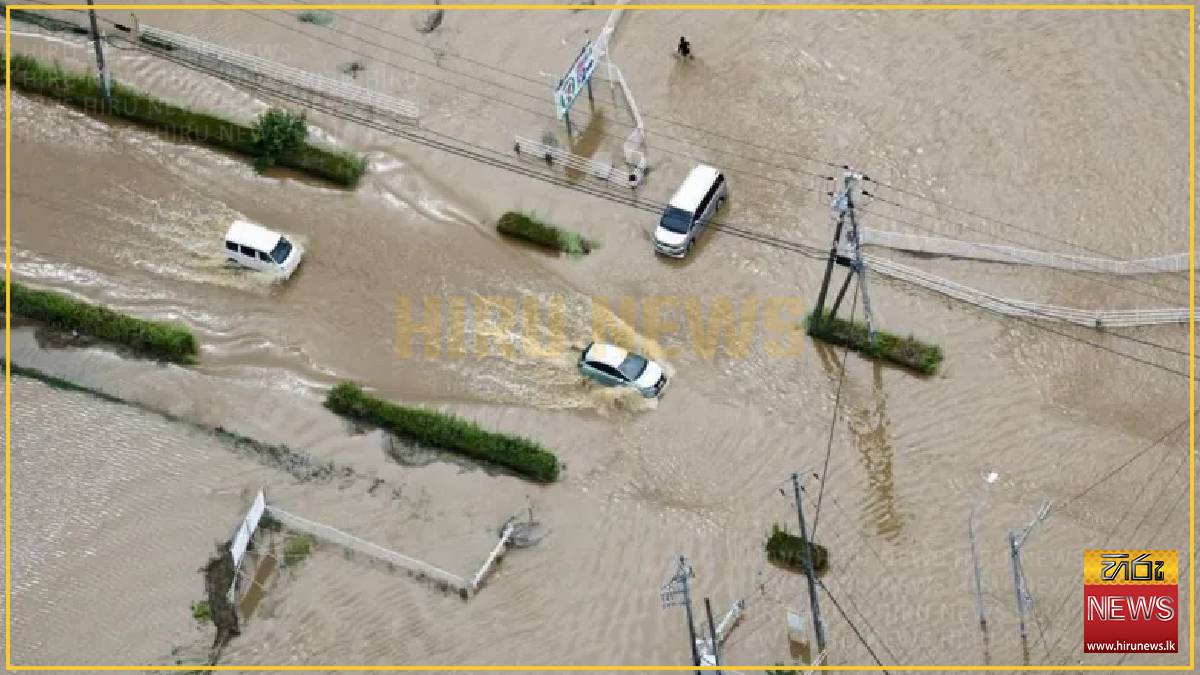
'Unprecedented' rain in Japan kills six people
Local
14 August 2026
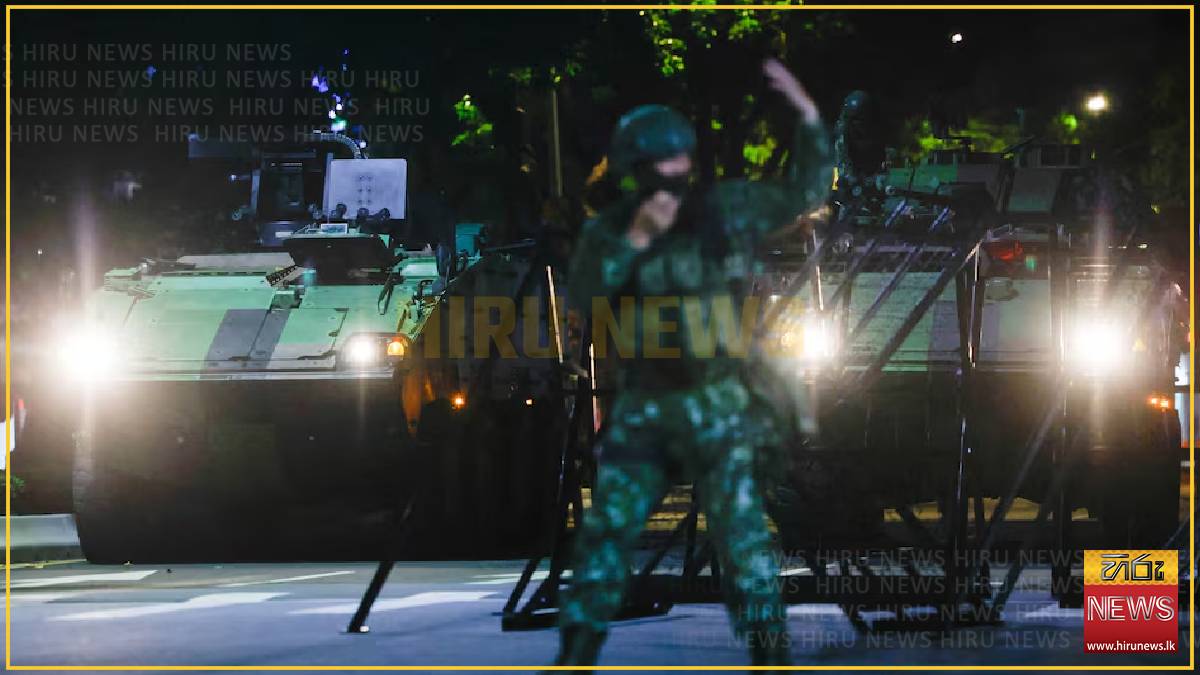
China calls Taiwan's annual military drills a 'wasteful charade'
Local
14 August 2026
Russia jails man for 23 years for spying for Poland
Local
14 August 2026
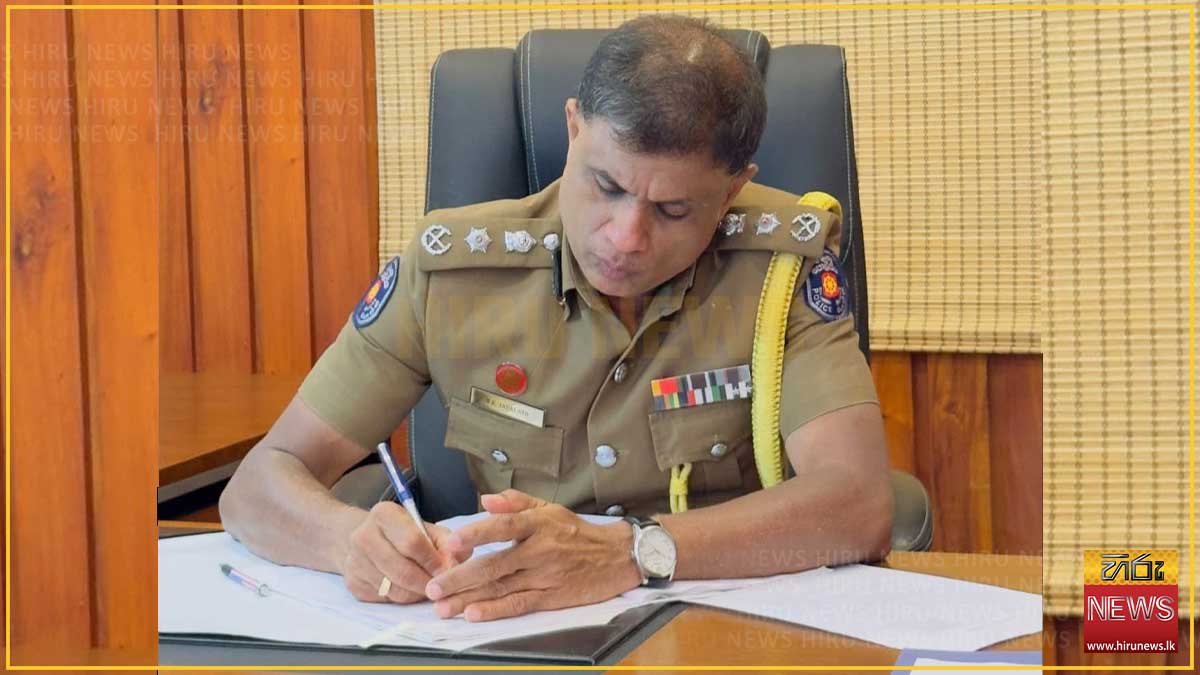
Senior DIG Kithsiri Jayalath assumes duties in charge of Sabaragamuwa Province
Local
14 August 2026
Beauty industry prepayment losses up almost 18 times to over $1.9 million in first half of 2026
Local
14 August 2026

'Ski Sunday' host Chemmy Alcott suffers collapsed lung after jumping into lake
Local
14 August 2026

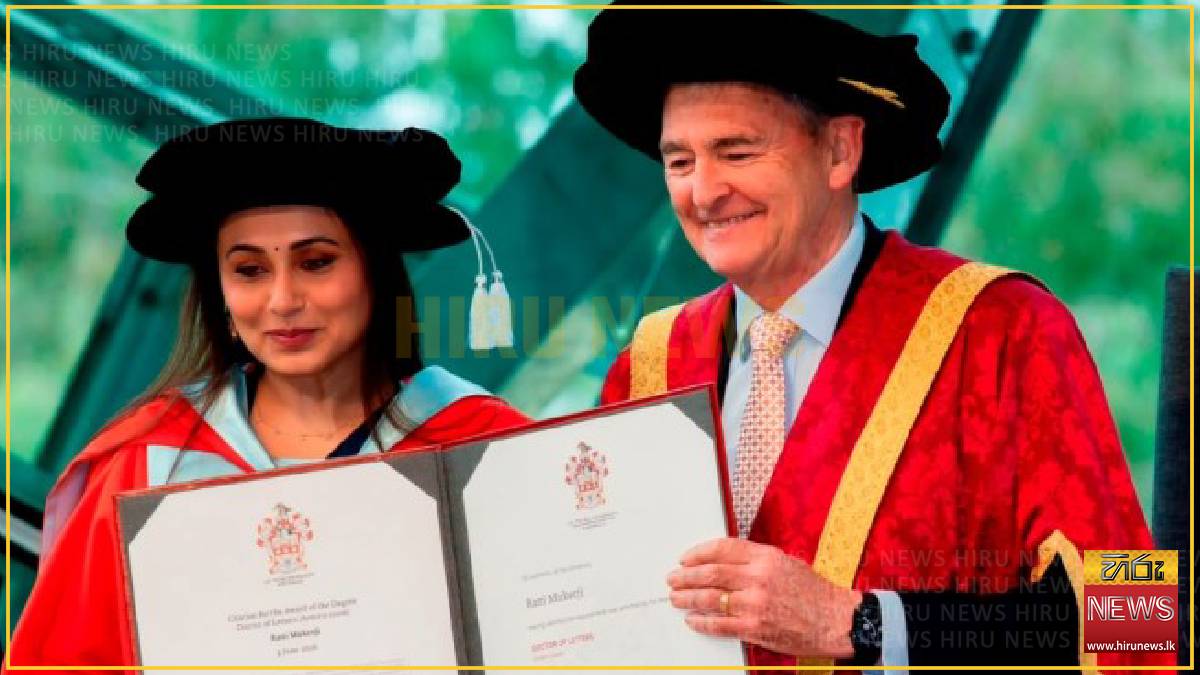
After Shah Rukh Khan, Rani Mukerji receives La Trobe Honorary Doctorate, Wins IFFM Special Citation
Local
14 August 2026
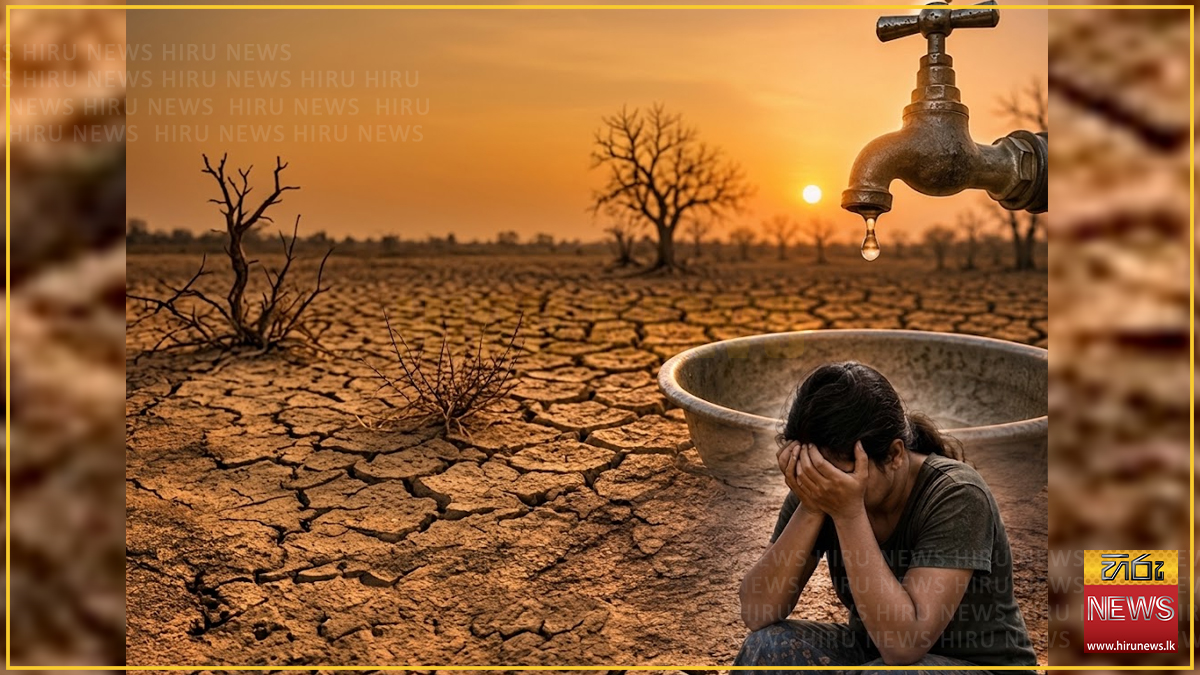
Many regions dry up further, drinking water in severe crisis
Local
14 August 2026
Instagram unveils new logo in a decade
Local
14 August 2026

Ceylinco Life crosses Rs. 300 Bn. assets milestone
Local
14 August 2026