Share Post


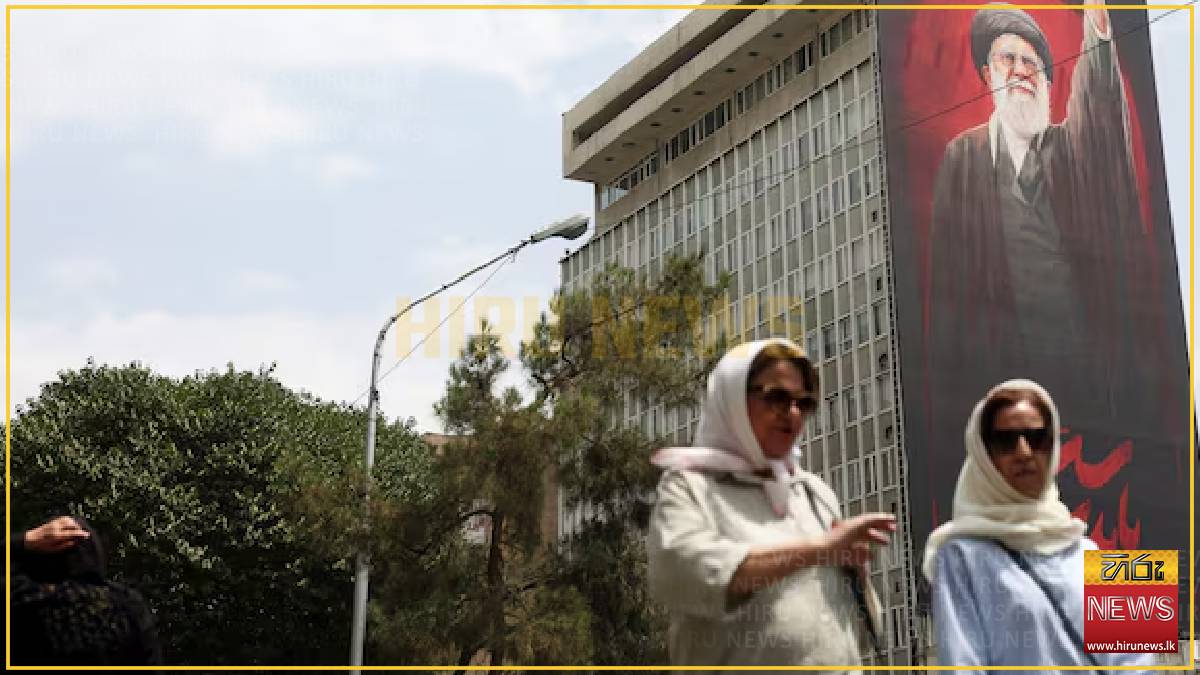
There were no discussions between Iran and the United States to extend their ceasefire because, from Tehran's perspective, the deal had no start date and therefore had nothing to extend, a senior Iranian source told Reuters on Wednesday.
The source's comments came after Turkey's Anadolu news agency, citing Pakistani government sources, reported on Wednesday that Tehran and Washington had agreed to extend a 60-day ceasefire under their interim deal signed in June.
The deal declared an "immediate and permanent termination of military operations on all fronts", but quickly unravelled, with U.S. President Donald Trump saying it was "over" on July 7 and Iran's foreign ministry declaring it "suspended" a week later.
"There is no talk of an extension because, from Iran’s perspective, there is no period that began and therefore nothing to extend. The United States violated the interim agreement 48 hours after it was reached and withdrew from it a few days later," the source told Reuters.
In the agreement, the 60-day period refers to an extendable timeframe within which Iran and the U.S. were expected to reach a final deal limiting Tehran's nuclear programme and lifting U.S. sanctions.
A series of requirements, such as a ceasefire in Lebanon, free navigation in the Gulf and waivers for Iran to sell its oil, were viewed as necessary before entering the further negotiation period.
"One of the issues that is being discussed via mediators is the U.S. returning to the interim agreement and defining a timeframe for implementing the commitments. There has been absolutely no progress on this issue," the source added.
-Reuters
The source's comments came after Turkey's Anadolu news agency, citing Pakistani government sources, reported on Wednesday that Tehran and Washington had agreed to extend a 60-day ceasefire under their interim deal signed in June.
The deal declared an "immediate and permanent termination of military operations on all fronts", but quickly unravelled, with U.S. President Donald Trump saying it was "over" on July 7 and Iran's foreign ministry declaring it "suspended" a week later.
"There is no talk of an extension because, from Iran’s perspective, there is no period that began and therefore nothing to extend. The United States violated the interim agreement 48 hours after it was reached and withdrew from it a few days later," the source told Reuters.
In the agreement, the 60-day period refers to an extendable timeframe within which Iran and the U.S. were expected to reach a final deal limiting Tehran's nuclear programme and lifting U.S. sanctions.
A series of requirements, such as a ceasefire in Lebanon, free navigation in the Gulf and waivers for Iran to sell its oil, were viewed as necessary before entering the further negotiation period.
"One of the issues that is being discussed via mediators is the U.S. returning to the interim agreement and defining a timeframe for implementing the commitments. There has been absolutely no progress on this issue," the source added.
-Reuters
Latest News
Bezos-backed consortium buys a third of Liverpool
Local
14 August 2026

Glastonbury festival organiser dismisses rumours that Madonna will headline in 2027
Local
14 August 2026

Peru announces fuel subsidies for transport sector amid protests over rising costs
Local
14 August 2026

British cyclist dies in Volta a Portugal accident
Local
14 August 2026

Marcos sees ‘distinct possibility’ of joint oil and gas deal with China, but offers no timetable
Local
14 August 2026

Vessel sustains “minor damage” after being hit by drone in Strait of Hormuz, UKMTO says
Local
14 August 2026

No genuinely safe route for shipping in region, says maritime intelligence group
Local
14 August 2026
Son of former Mexican president says US revoked his visa
Local
14 August 2026
Sales are drying up for some of Malaysia’s small businesses. They’re blaming this Chinese app
Local
14 August 2026

Shiran Basik brought to Sri Lanka
Local
14 August 2026