Share Post


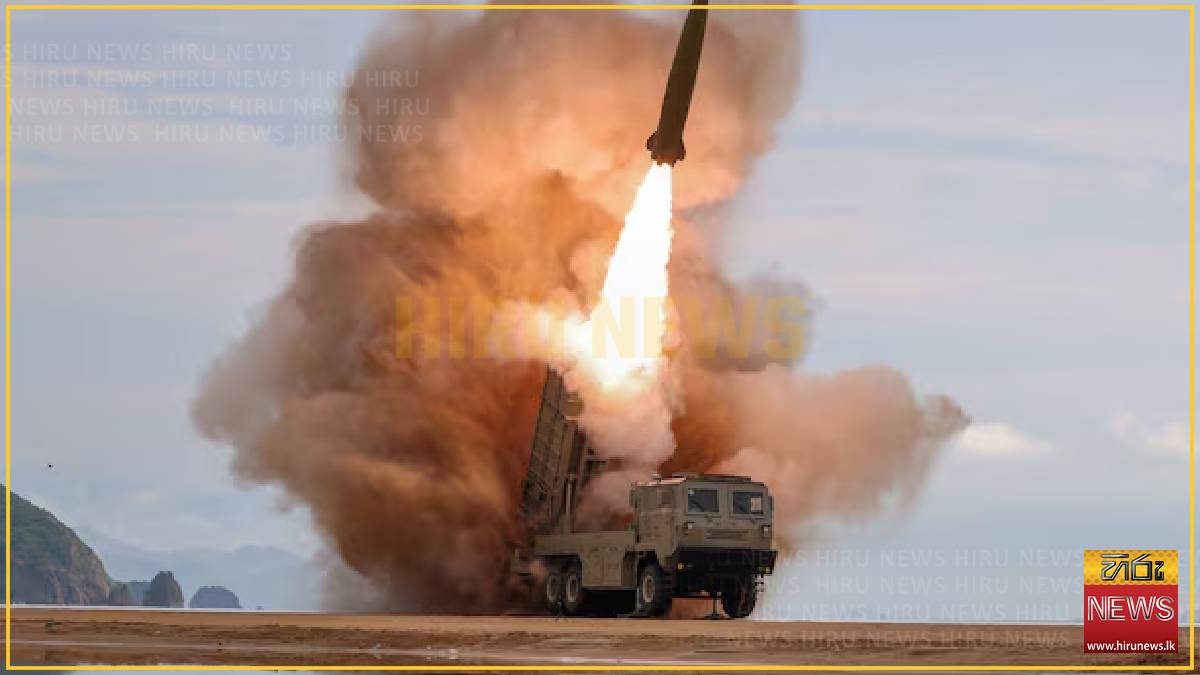
North Korea fired a ballistic missile on Wednesday toward the sea off the Korean peninsula's east coast, South Korean and Japanese authorities said, days ahead of major joint military exercises by Seoul and Washington long denounced by Pyongyang.
The missile was launched from the North's Wonsan area at about 6 a.m. (2100 GMT Tuesday), South Korea's Joint Chiefs of Staff (JCS) said, six days after North Korea fired another ballistic missile from the same area.
The launch came ahead of South Korean and U.S. military drills, dubbed Ulchi Freedom Shield, set to run from August 17 to August 27, aimed at countering Pyongyang's evolving nuclear and weapons capabilities.
Hong Min, a senior researcher at the Korea Institute for National Unification in Seoul, said the launch was likely part of North Korea's existing weapons development schedule, but the timing could also have been selected to send a message ahead of the exercises.
"Even if it was a test of a weapon under development, choosing when to conduct it requires a political decision," Hong said.
There was no immediate statement from North Korea on the Wonsan launch, but Pyongyang on Wednesday afternoon criticised the nuclear ambitions of South Korea and Japan.
South Korea said North Korea also fired a ballistic missile from Wonsan on August 6, but Pyongyang did not report that launch in state media. Hong said that test may have failed to achieve its intended objective.
North Korea's series of tests this year has featured short-range ballistic missiles, artillery rockets and other tactical weapons.
Wednesday's launch was its 11th suspected ballistic missile test in 2026, according to South Korean assessments.
South Korean and Japanese defence authorities said the missile flew about 700 km (435 miles).
Seoul's Joint Chiefs of Staff did not identify it as a short-range ballistic missile, saying authorities would conduct a detailed analysis.
The omission leaves open the question of what type of missile it was, analysts said. Ballistic missiles with ranges of 300 km to 1,000 km (186 miles to 620 miles) are generally classified as short-range.
Hong said the range, trajectory and launch site suggested it may have been a type of hypersonic missile, though a submarine-launched missile was also possible.
CONDEMNATION AND HEIGHTENED TENSIONS
South Korea and Japan both condemned the launch.
"Japan lodged a strong protest with North Korea through diplomatic channels at the Japanese Embassy in Beijing and strongly condemned the action," Japanese Defence Minister Shinjiro Koizumi told reporters.
South Korea's Office of National Security convened an emergency meeting and expressed concern over North Korea's continued ballistic-missile launches following the August 6 firing. It urged Pyongyang to halt provocations that violate U.N. Security Council resolutions.
South Korea's military said it was maintaining readiness to respond "overwhelmingly" to any provocation under its combined defence posture with the United States.
The U.S. Indo-Pacific Command said it was consulting closely with allies and partners, adding that its initial assessment was that the launch posed no immediate threat to U.S. personnel or territory, or to its allies.
On Tuesday, Ukrainian President Volodymyr Zelenskiy said Moscow used North Korean ballistic missiles during a Russian attack that killed seven workers at a steel plant in the southeastern city of Zaporizhzhia.
In a statement, a North Korean Foreign Ministry official responsible for South Korean affairs said Seoul's plans to develop nuclear-powered submarines would heighten instability in the region, for a "serious challenge" to the North's security.
Pyongyang needed the capability to counter its adversaries' military moves with retaliatory strikes that would make their "survival and recovery impossible", the statement added.
In a separate commentary state news agency KCNA accused Japan of seeking nuclear weapons under the guise of peaceful use of atomic energy, citing its nuclear power programme and debate among Japanese politicians over nuclear armament.
-Reuters
The missile was launched from the North's Wonsan area at about 6 a.m. (2100 GMT Tuesday), South Korea's Joint Chiefs of Staff (JCS) said, six days after North Korea fired another ballistic missile from the same area.
The launch came ahead of South Korean and U.S. military drills, dubbed Ulchi Freedom Shield, set to run from August 17 to August 27, aimed at countering Pyongyang's evolving nuclear and weapons capabilities.
Hong Min, a senior researcher at the Korea Institute for National Unification in Seoul, said the launch was likely part of North Korea's existing weapons development schedule, but the timing could also have been selected to send a message ahead of the exercises.
"Even if it was a test of a weapon under development, choosing when to conduct it requires a political decision," Hong said.
There was no immediate statement from North Korea on the Wonsan launch, but Pyongyang on Wednesday afternoon criticised the nuclear ambitions of South Korea and Japan.
South Korea said North Korea also fired a ballistic missile from Wonsan on August 6, but Pyongyang did not report that launch in state media. Hong said that test may have failed to achieve its intended objective.
North Korea's series of tests this year has featured short-range ballistic missiles, artillery rockets and other tactical weapons.
Wednesday's launch was its 11th suspected ballistic missile test in 2026, according to South Korean assessments.
South Korean and Japanese defence authorities said the missile flew about 700 km (435 miles).
Seoul's Joint Chiefs of Staff did not identify it as a short-range ballistic missile, saying authorities would conduct a detailed analysis.
The omission leaves open the question of what type of missile it was, analysts said. Ballistic missiles with ranges of 300 km to 1,000 km (186 miles to 620 miles) are generally classified as short-range.
Hong said the range, trajectory and launch site suggested it may have been a type of hypersonic missile, though a submarine-launched missile was also possible.
CONDEMNATION AND HEIGHTENED TENSIONS
South Korea and Japan both condemned the launch.
"Japan lodged a strong protest with North Korea through diplomatic channels at the Japanese Embassy in Beijing and strongly condemned the action," Japanese Defence Minister Shinjiro Koizumi told reporters.
South Korea's Office of National Security convened an emergency meeting and expressed concern over North Korea's continued ballistic-missile launches following the August 6 firing. It urged Pyongyang to halt provocations that violate U.N. Security Council resolutions.
South Korea's military said it was maintaining readiness to respond "overwhelmingly" to any provocation under its combined defence posture with the United States.
The U.S. Indo-Pacific Command said it was consulting closely with allies and partners, adding that its initial assessment was that the launch posed no immediate threat to U.S. personnel or territory, or to its allies.
On Tuesday, Ukrainian President Volodymyr Zelenskiy said Moscow used North Korean ballistic missiles during a Russian attack that killed seven workers at a steel plant in the southeastern city of Zaporizhzhia.
In a statement, a North Korean Foreign Ministry official responsible for South Korean affairs said Seoul's plans to develop nuclear-powered submarines would heighten instability in the region, for a "serious challenge" to the North's security.
Pyongyang needed the capability to counter its adversaries' military moves with retaliatory strikes that would make their "survival and recovery impossible", the statement added.
In a separate commentary state news agency KCNA accused Japan of seeking nuclear weapons under the guise of peaceful use of atomic energy, citing its nuclear power programme and debate among Japanese politicians over nuclear armament.
-Reuters
Latest News
US SEC to keep hands off shareholder proposals, worrying activists
Local
14 August 2026

Paramedics called to second train derailment in two days in Britain
Local
14 August 2026

Canadian dollar heads for third straight weekly gain as yield spreads narrow
Local
14 August 2026

US President Donald Trump has allowed the Navy to build ships
Local
14 August 2026
Dry weather delays England community rugby season, RFU says
Local
14 August 2026

Rising golf star, 18, dies after brain haemorrhage
Local
14 August 2026

Formula E aiming for female drivers in two to three years
Local
14 August 2026

Apple trains its own AI model for China market with Alibaba's support, sources say
Local
14 August 2026

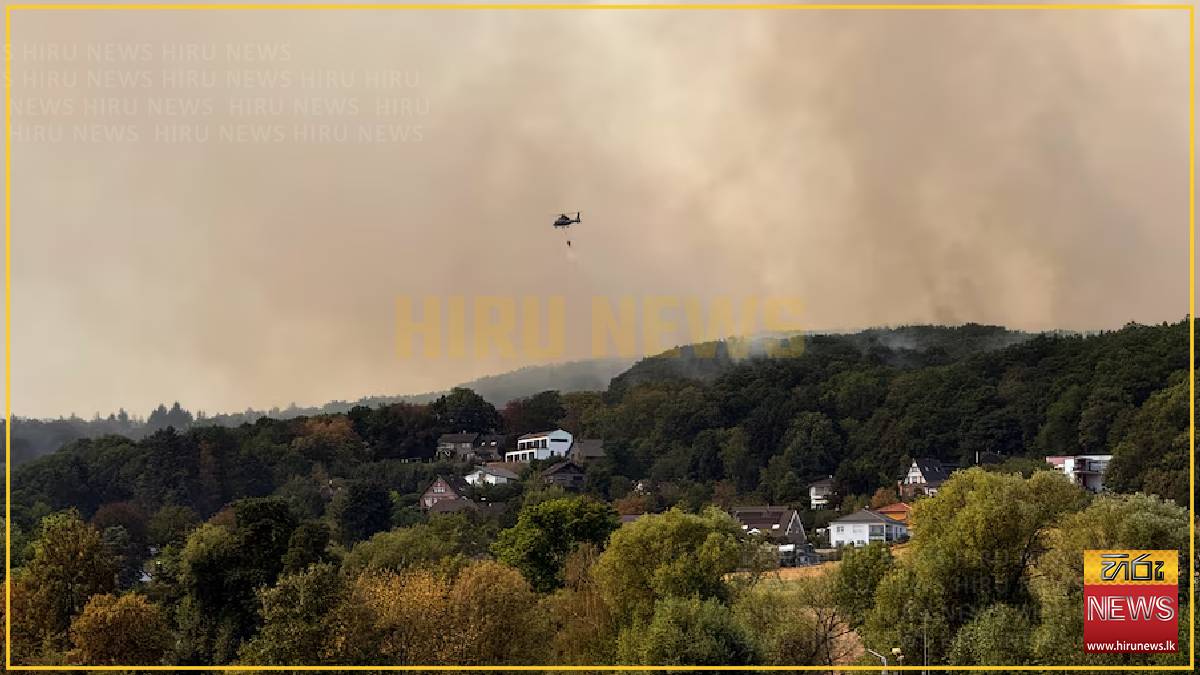
Germany evacuates about 2,000 people as wildfire reaches western village
Local
14 August 2026
Goldman in talks with investors on Nvidia financing deal after landing prized role, sources say
Local
14 August 2026