Share Post


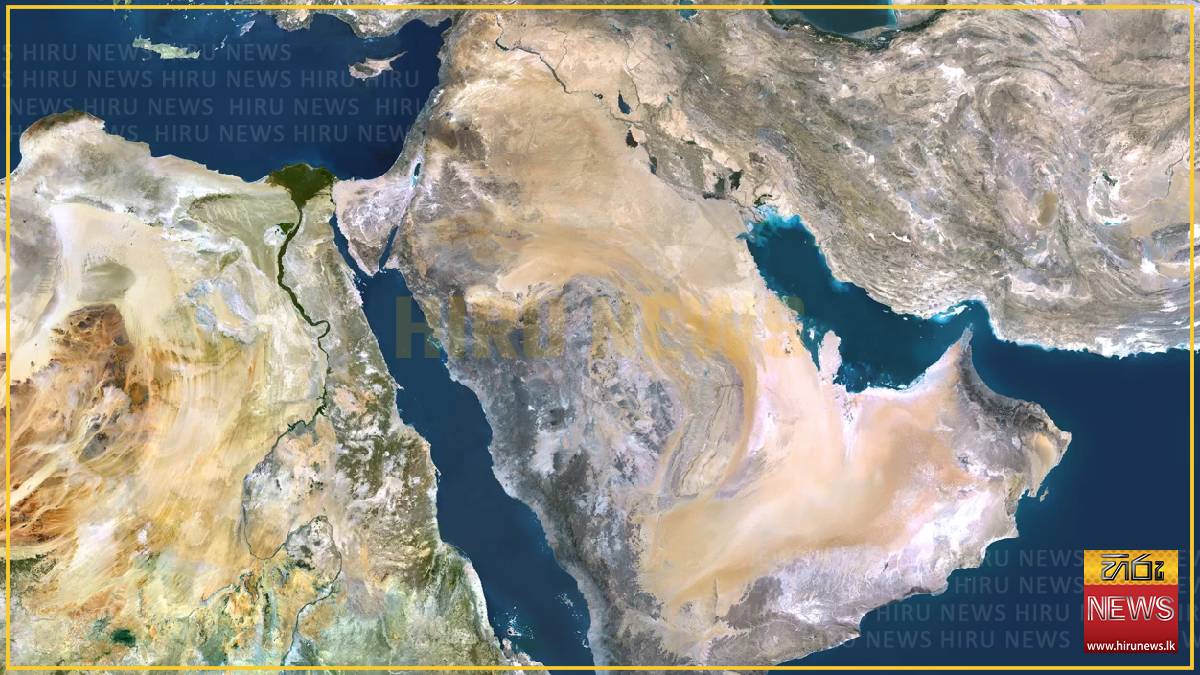
Commercial shipping attempting to navigate in and around the Persian Gulf faces the dual threats of violence in the Strait of Hormuz and Houthi attacks in the Bab al-Mandeb, meaning that there is “currently no genuinely ‘safe’ side of the Arabian Peninsula,” said maritime intelligence group Marisks in their latest intelligence update.
The maritime security situation in the region “has entered a more dangerous phase,” Marisks said. That is due to the “simultaneous emergence” of the US enforcing its blockade of Iranian ports, as well as “targeted attacks at both the Strait of Hormuz and Bab el-Mandeb,” which are the two key trade routes out of the energy-rich Gulf countries.
“The two chokepoints can no longer be assessed independently,” the report said. “Pressure at Hormuz is transferring traffic and strategic importance toward Saudi Arabia’s Red Sea outlets, while Houthi pressure against Saudi interests simultaneously threatens that alternative.”
It pointed to several incidents this week, which represent an increased threat level – a fatal strike on a commercial vessel sailing through the Bab al-Mandeb strait; the US military disabling a cargo vessel sailing toward an Iranian port by firing two missiles into its engine room; and a UAE oil company accusing Iran of attacking several of its vessels recently.
Attacks on vessels using the Omani route shows that “Iran appears capable of projecting anti-ship effects across the southern transit area,” Marisks said.
The shipping industry has adapted to these threats, Marisks noted. In the three weeks since the US reimposed its blockade of Iranian ports, more than half of all tankers crossing the Strait of Hormuz turned off their transponders to avoid detection while more very large crude carriers have been used than at any point this year, Marisks said.
“This does not indicate normalisation,” the group said. “It indicates commercial adaptation to prolonged disruption.”
-CNN
The maritime security situation in the region “has entered a more dangerous phase,” Marisks said. That is due to the “simultaneous emergence” of the US enforcing its blockade of Iranian ports, as well as “targeted attacks at both the Strait of Hormuz and Bab el-Mandeb,” which are the two key trade routes out of the energy-rich Gulf countries.
“The two chokepoints can no longer be assessed independently,” the report said. “Pressure at Hormuz is transferring traffic and strategic importance toward Saudi Arabia’s Red Sea outlets, while Houthi pressure against Saudi interests simultaneously threatens that alternative.”
It pointed to several incidents this week, which represent an increased threat level – a fatal strike on a commercial vessel sailing through the Bab al-Mandeb strait; the US military disabling a cargo vessel sailing toward an Iranian port by firing two missiles into its engine room; and a UAE oil company accusing Iran of attacking several of its vessels recently.
Attacks on vessels using the Omani route shows that “Iran appears capable of projecting anti-ship effects across the southern transit area,” Marisks said.
The shipping industry has adapted to these threats, Marisks noted. In the three weeks since the US reimposed its blockade of Iranian ports, more than half of all tankers crossing the Strait of Hormuz turned off their transponders to avoid detection while more very large crude carriers have been used than at any point this year, Marisks said.
“This does not indicate normalisation,” the group said. “It indicates commercial adaptation to prolonged disruption.”
-CNN
Latest News
Workday buyout seen as potential boost for software valuations
Local
15 August 2026

PSG sign Spain forward Torres from Barcelona
Local
15 August 2026

Indonesia earthquake death toll rises to 38
Local
15 August 2026
Xi urges better disaster preparedness as floods, landslides hit China
Local
15 August 2026

Afghan terror group mark 5 years in power as crisis deepens
Local
15 August 2026

Arsenal trio return to training ahead of Community Shield
Local
15 August 2026

Engine debris shattered Ryanair window, pulling passenger out, NTSB says
Local
15 August 2026
11 rescued after Navy Dvora capsizes off Angulana
Local
15 August 2026
President's Office responds to Bar Association’s request
Local
15 August 2026
Navy Dvora distressed off Angulana
Local
15 August 2026