



Share Post


Prices of imported food items and essential commodities are expected to increase by 20 to 25% in the coming months.
Importers warn that global agricultural impacts from El Niño and shipping hurdles caused by the Middle East crisis are driving up costs.
Leading food-producing countries are turning inward to protect domestic populations, with India already banning sugar exports to contain inflation.
Sugar is now being sourced from longer distances in Brazil, resulting in higher shipping expenses.
India is also considering restrictions on big onion exports, which could force traders to source supplies from the Netherlands at greater freight costs and delivery times of at least one month.
Freight charges overall have surged by 20 to 30%.
The Essential Food Commodities Importers and Traders Association informed Trade Minister Wasantha Samarasinghe about the anticipated price adjustments while assuring a steady supply of items such as pulses, sugar, rice varieties, fruits, spices, wheat, and canned fish.
President Anura Kumara Dissanayake established a special cabinet subcommittee and an officials committee to oversee El Niño preparedness as the country begins feeling the weather phenomenon's impact.
El Niño involves a periodic warming of the central and eastern Pacific Ocean, with conditions expected to strengthen and persist into early 2027.
The Food and Agriculture Organization notes that Sri Lanka's final climate impact will depend on the interaction between El Niño and the Indian Ocean Dipole alongside monsoons.
Forecasts indicate potential below-normal rainfall in the dry zone during July and August, followed by possible above-normal rainfall, flooding, and landslides from October onward.
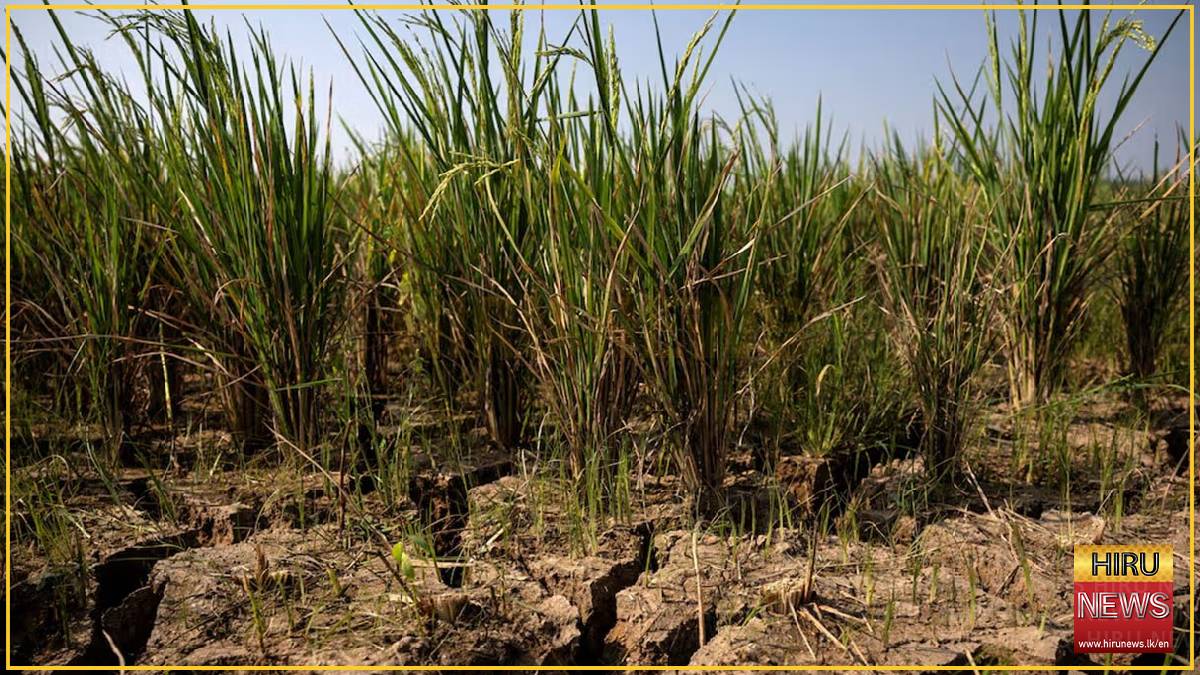
National rice availability relies heavily on individual cultivation seasons, with the country producing approximately 5.05 million tonnes of paddy in 2025 to meet domestic needs without an adequate buffer for major seasonal failures.
A significant loss in production could rapidly increase rice prices and import requirements, while El Niño's persistence raises concerns for reservoir carry-over and 2027 cultivation seasons.
Importers warn that global agricultural impacts from El Niño and shipping hurdles caused by the Middle East crisis are driving up costs.
Leading food-producing countries are turning inward to protect domestic populations, with India already banning sugar exports to contain inflation.
Sugar is now being sourced from longer distances in Brazil, resulting in higher shipping expenses.
India is also considering restrictions on big onion exports, which could force traders to source supplies from the Netherlands at greater freight costs and delivery times of at least one month.
Freight charges overall have surged by 20 to 30%.
The Essential Food Commodities Importers and Traders Association informed Trade Minister Wasantha Samarasinghe about the anticipated price adjustments while assuring a steady supply of items such as pulses, sugar, rice varieties, fruits, spices, wheat, and canned fish.
President Anura Kumara Dissanayake established a special cabinet subcommittee and an officials committee to oversee El Niño preparedness as the country begins feeling the weather phenomenon's impact.
El Niño involves a periodic warming of the central and eastern Pacific Ocean, with conditions expected to strengthen and persist into early 2027.
The Food and Agriculture Organization notes that Sri Lanka's final climate impact will depend on the interaction between El Niño and the Indian Ocean Dipole alongside monsoons.
Forecasts indicate potential below-normal rainfall in the dry zone during July and August, followed by possible above-normal rainfall, flooding, and landslides from October onward.
National rice availability relies heavily on individual cultivation seasons, with the country producing approximately 5.05 million tonnes of paddy in 2025 to meet domestic needs without an adequate buffer for major seasonal failures.
A significant loss in production could rapidly increase rice prices and import requirements, while El Niño's persistence raises concerns for reservoir carry-over and 2027 cultivation seasons.
Latest News
Albon to stay with Williams for 2027 season
Local
19 August 2026

China urges respect for digital sovereignty in AI race
Local
19 August 2026

DGL Free Zone opens in Katunayake to position Sri Lanka as regional logistics hub
Local
19 August 2026

Turkey slams Israel's 'untenable' claims after strikes on Syrian base
Local
19 August 2026

Thai schools step up shooting response drills
Local
19 August 2026

Iran warns Gulf states against aiding US military
Local
19 August 2026

China’s LandSpace lands reusable rocket booster
Local
19 August 2026

Kyrgios suspended after positive cocaine test
Local
19 August 2026

France promulgates law creating right to assisted dying
Local
19 August 2026

ICC World Test Championship 2025–27 standings and points table
Local
19 August 2026