



Share Post


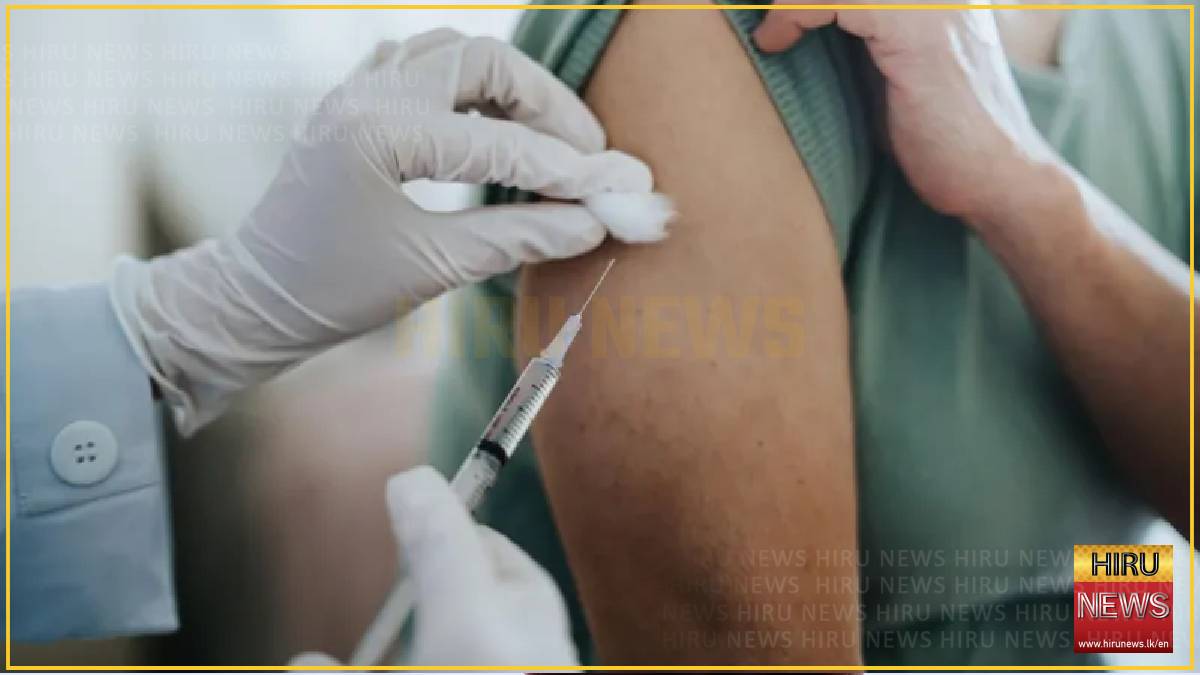
A new personalised vaccine given in combination with a drug has stopped skin cancer returning in patients during a trial, representing a potentially watershed moment in cancer treatment.
The vaccine, developed by drug companies Merck & Co or MSD, and Moderna, was given to patients with high-risk melanoma, a type of skin cancer, after they had surgery.
Early results show this new jab extended the length of time these patients were cancer free, but it's unclear for how long, according to an announcement by the two firms.
Cancer experts say this is a breakthrough, but emphasise caution as the full results have not been released or peer-reviewed whereby independent experts examine and check the trial findings.
And even after the trials process has finished, the treatment would still need to be approved by regulators and then go through another approval process before it was made available on the NHS.
The vaccine, called Intismeran, was given in combination with Keytruda, an immunotherapy drug already used in cancer treatment.
Compared with taking the Keytruda on its own, the companies said taking the drug and vaccine together significantly increased the time patients remained cancer free and reduced the risk of the disease spreading to other organs.
The phase three trial involved more than 1,000 patients who had high-risk stage two, three or four melanoma - meaning they ranged from having large tumours in a specific area to cancers which had already spread to other parts of the body.
-BBC
The vaccine, developed by drug companies Merck & Co or MSD, and Moderna, was given to patients with high-risk melanoma, a type of skin cancer, after they had surgery.
Early results show this new jab extended the length of time these patients were cancer free, but it's unclear for how long, according to an announcement by the two firms.
Cancer experts say this is a breakthrough, but emphasise caution as the full results have not been released or peer-reviewed whereby independent experts examine and check the trial findings.
And even after the trials process has finished, the treatment would still need to be approved by regulators and then go through another approval process before it was made available on the NHS.
The vaccine, called Intismeran, was given in combination with Keytruda, an immunotherapy drug already used in cancer treatment.
Compared with taking the Keytruda on its own, the companies said taking the drug and vaccine together significantly increased the time patients remained cancer free and reduced the risk of the disease spreading to other organs.
The phase three trial involved more than 1,000 patients who had high-risk stage two, three or four melanoma - meaning they ranged from having large tumours in a specific area to cancers which had already spread to other parts of the body.
-BBC
Latest News
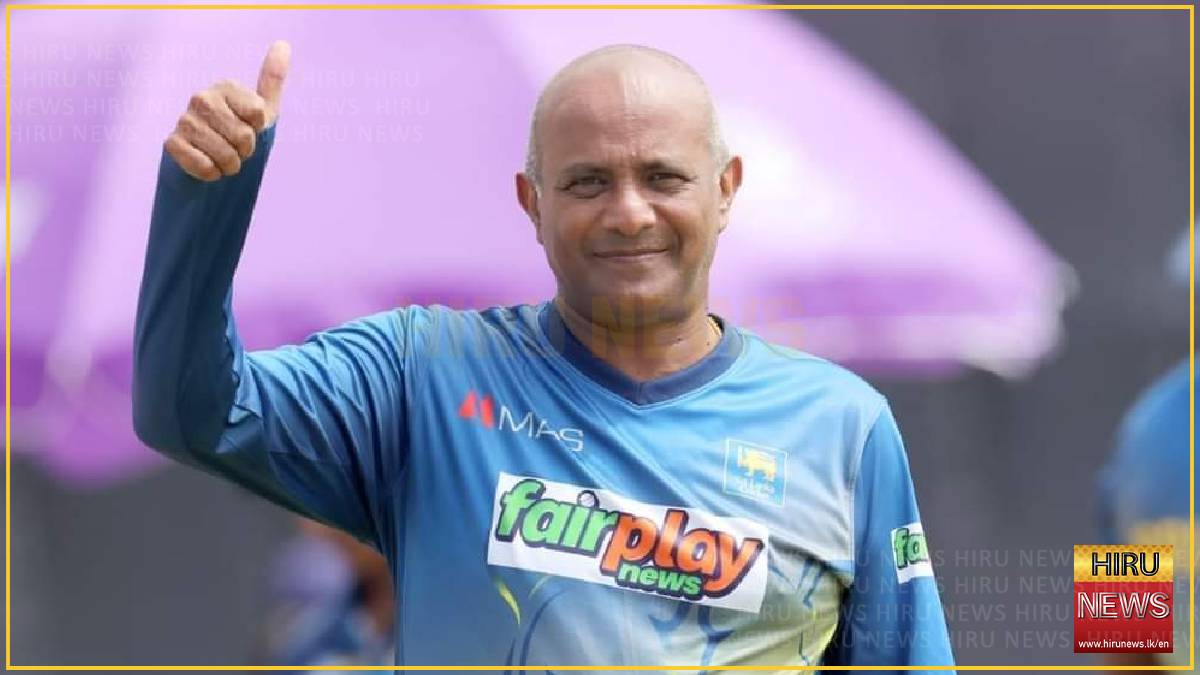
Hashan Tillakaratne appointed as SL Men's Cricket Batting Coach
Local
21 August 2026
Bangladesh elects ruling party veteran Alamgir as president
Local
21 August 2026

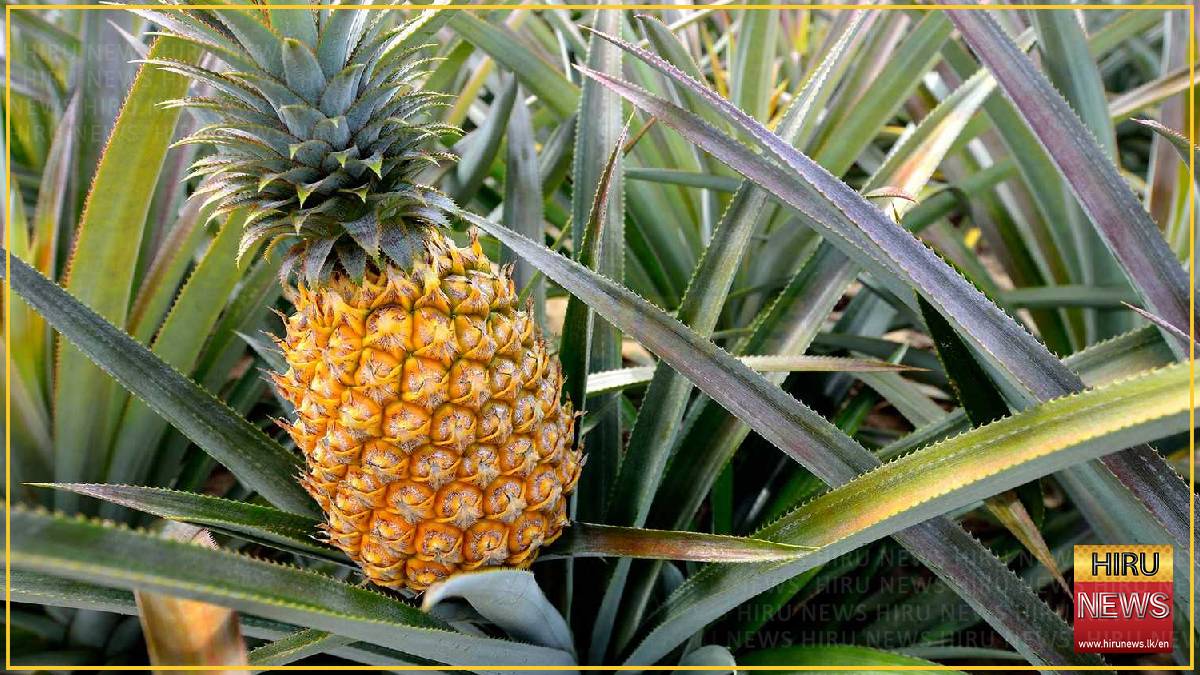
Fresh Sri Lankan pineapples reach Pakistani market for the first time
Local
21 August 2026
No feeling of vindication for Lawson on Red Bull return
Local
21 August 2026

No military confrontation with armed factions
Local
21 August 2026

Sri Lanka to launch digital identity project after decade-long delay
Local
21 August 2026

India orders Firebase accounts takedown in scam crackdown
Local
21 August 2026

Death row pardon report fast-tracked to Cabinet
Local
21 August 2026
Anjalie Munasinghe appointed Secretary, CIPR International
Local
21 August 2026

Taiwan shadows Chinese ship near its waters
Local
21 August 2026








