



Share Post


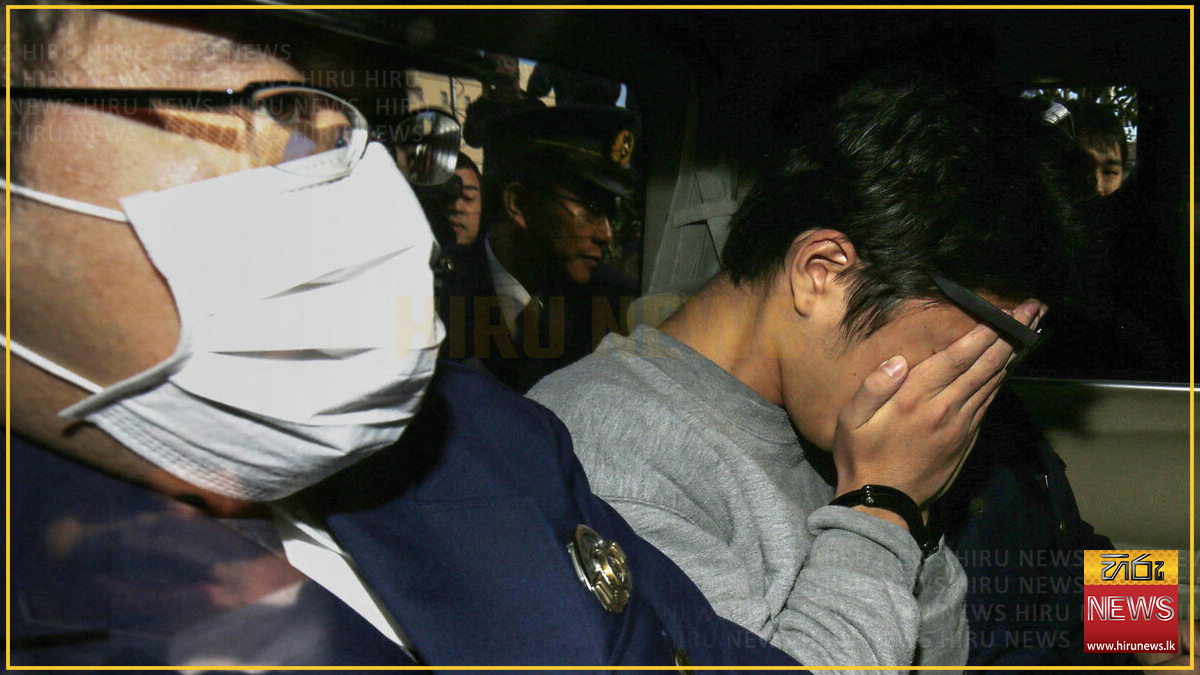
A man who killed five people by setting fire to a pachinko parlor in 2009 was hanged Friday in Japan's first execution by Prime Minister Sanae Takaichi 's government as the country faces growing calls for more transparency and the abolition of capital punishment.
Sunao Takami set fire to the crowded pachinko parlor in Osaka by spreading gasoline and throwing a lit match, engulfing the building, killing five and injuring 10 others, Justice Minister Hiroshi Hiraguchi said.
“It caused extremely serious outcomes and dealt a major shock and fear to the society,” he told a news conference, adding “the victims whose lives were taken away must have felt unimaginable pain and fear, and those who suffered injuries ... were forced to live with long-term effects.”
“As justice minister, I have ordered an execution after careful and thorough considerations,” he said. The Justice Ministry said the hanging took place earlier Friday.
Takami, 58, was convicted of murder, attempted murder and arson and sentenced to death in a 2011 Osaka District Court ruling. His appeals were rejected in 2016 by a Supreme Court decision upholding the death penalty.
Japan now has 100 people on death row, including 43 seeking retrials, Hiraguchi said.
Japan has faced growing criticism over its use of the death penalty, as a majority of the international community has abolished capital punishment. Japan and the U.S. are the only two countries in the Group of Seven leading industrialized nations that put people to death.
Calls to abolish capital punishment or increase transparency have grown after the 2024 acquittal of the world’s longest-serving death-row inmate, Iwao Hakamada.
Executions are carried out in secrecy in Japan, where prisoners are not informed of their fate until the morning of their hanging.
Since 2007, Japan has begun disclosing the names of those executed and some details of their crimes, but disclosures are still limited.
Hiraguchi said he has no intention to change the practice, saying disclosure of additional details would disturb the mental state of the death-row inmates.
He defended hanging as a valid method of execution, citing a number of past Supreme Court decisions saying hanging is not considered more cruel than other methods of execution such as lethal injections, electrocution and shooting.
Hiraguchi cited surveys showing the vast majority of Japanese supporting death penalty as an unavoidable option. Whether to retain or abolish capital punishment is a crucial issue that affects the core of Japan's criminal justice system and requires careful consideration and broad public debate, he said.
Friday’s hanging was the first by Takaichi’s government and took place during a parliamentary recess — a move criticized as a tactic to avoid public debate. Hiraguchi denied it was intentional.
Japan in 2025 executed a man known as the “Twitter killer," who was convicted of killing and dismembering nine people in his apartment near Tokyo in 2017.
Japan’s crime rate is relatively low, but some high-profile mass killings have occurred in recent years.
-Greenwich time
Sunao Takami set fire to the crowded pachinko parlor in Osaka by spreading gasoline and throwing a lit match, engulfing the building, killing five and injuring 10 others, Justice Minister Hiroshi Hiraguchi said.
“It caused extremely serious outcomes and dealt a major shock and fear to the society,” he told a news conference, adding “the victims whose lives were taken away must have felt unimaginable pain and fear, and those who suffered injuries ... were forced to live with long-term effects.”
“As justice minister, I have ordered an execution after careful and thorough considerations,” he said. The Justice Ministry said the hanging took place earlier Friday.
Takami, 58, was convicted of murder, attempted murder and arson and sentenced to death in a 2011 Osaka District Court ruling. His appeals were rejected in 2016 by a Supreme Court decision upholding the death penalty.
Japan now has 100 people on death row, including 43 seeking retrials, Hiraguchi said.
Japan has faced growing criticism over its use of the death penalty, as a majority of the international community has abolished capital punishment. Japan and the U.S. are the only two countries in the Group of Seven leading industrialized nations that put people to death.
Calls to abolish capital punishment or increase transparency have grown after the 2024 acquittal of the world’s longest-serving death-row inmate, Iwao Hakamada.
Executions are carried out in secrecy in Japan, where prisoners are not informed of their fate until the morning of their hanging.
Since 2007, Japan has begun disclosing the names of those executed and some details of their crimes, but disclosures are still limited.
Hiraguchi said he has no intention to change the practice, saying disclosure of additional details would disturb the mental state of the death-row inmates.
He defended hanging as a valid method of execution, citing a number of past Supreme Court decisions saying hanging is not considered more cruel than other methods of execution such as lethal injections, electrocution and shooting.
Hiraguchi cited surveys showing the vast majority of Japanese supporting death penalty as an unavoidable option. Whether to retain or abolish capital punishment is a crucial issue that affects the core of Japan's criminal justice system and requires careful consideration and broad public debate, he said.
Friday’s hanging was the first by Takaichi’s government and took place during a parliamentary recess — a move criticized as a tactic to avoid public debate. Hiraguchi denied it was intentional.
Japan in 2025 executed a man known as the “Twitter killer," who was convicted of killing and dismembering nine people in his apartment near Tokyo in 2017.
Japan’s crime rate is relatively low, but some high-profile mass killings have occurred in recent years.
-Greenwich time
Latest News
Google Maps will show 'Lake America' in US, not 'Lake Ontario'
Local
30 August 2026

Death toll in Nepal and Tibet floods exceeds 800
Local
30 August 2026
Details emerge on alleged crimes linked to Welle Saranga
Local
30 August 2026
Tension arises between three-wheeler and taxi drivers in Welimada
Local
30 August 2026
Former Central Bank Governor Arjuna Mahendran denies claim of name change
Local
30 August 2026
Sri Lanka loses Women’s Champions Trophy hosting rights: Can the setback still be reversed?
Local
30 August 2026

NPP local government member arrested over Nelliady house attack released on police bail
Local
30 August 2026

School student killed in road incident on Biyagama - Sapugaskanda road
Local
30 August 2026

Lanka Sugar Company to discuss with Labour Department over Sevanagala factory closure
Local
30 August 2026

Kirinda police sergeant reported missing
Local
30 August 2026