



Share Post


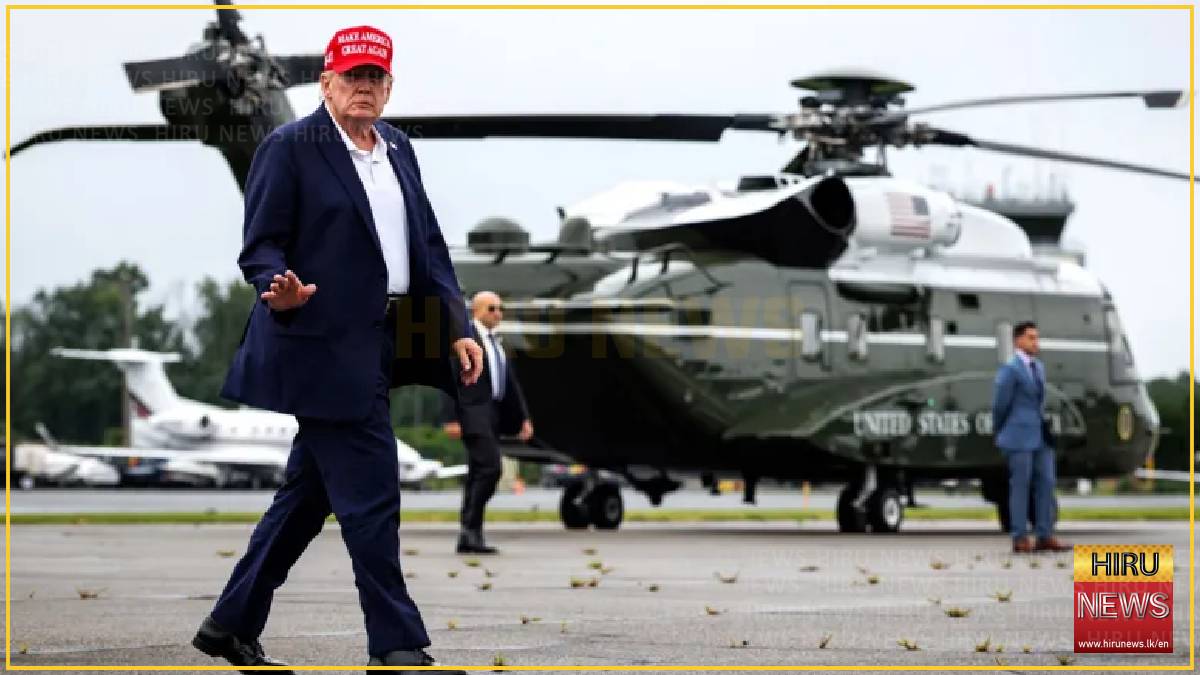
US President Donald Trump has said that the US Navy has removed or detonated all mines in the Strait of Hormuz - the vital waterway which Iran has largely closed since the beginning of the war in the Middle East.
"Iran has been notified that any ship or boat placing new mines will be immediately and systematically destroyed," Trump said in a post on his Truth Social platform.
There is no comment from Iran.
Closure of the strait has caused wild fluctuations in the price of oil on world markets. Trump has often said the US has control of the area - but Iran has fired against vessels it says have sought to cross without its permission.
Some 20% of the world's oil and liquefied natural gas used to transit the Strait of Hormuz before the war, which began on 28 February with US and Israeli air strikes against Iran.
In addition to closing the strait, Iran retaliated against Israel and against US bases in the region as well as US Arab allies in the Gulf.
A ceasefire aimed at facilitating talks to end the war has collapsed and there has been intermittent exchange of fire between the US and Iran.
However, this week the US announced a raft of economic sanctions against Iran.
US Treasury Secretary Scott Bessent warned that any nation financially partnering with Iran would be isolated.
Iran and the US signed a Memorandum of Understanding (MoU) in June - a 14-point document which set a 60-day deadline to reach a deal on the Strait of Hormuz, before substantial negotiations on resolving the nuclear issue - allegations that Iran is building a nuclear weapon, which Tehran has consistently denied.
However, that deadline has now expired and talks have collapsed leading to the new US sanctions that Trump believes will lead to the collapse of the Iranian regime.
Iran, for its part, has indicated that it wants to establish full control of the Strait of Hormuz - a view that is opposed by the US and most other countries which believe that the passage constitutes international waters and transit should remain unimpeded as it was before the war.
Until recently - and on the basis of the MoU - Iran had been involved in negotiations with Oman, a US ally, to agree a mechanism for administering the strait. However, those talks have so far not produced an agreement and, last week, Trump even threatened to bomb its ally "if it gets in the way" of his administration's own talks with Iran over the issue.
It is not clear if the Iran-Oman talks are continuing, now that the US has moved to another phase of the conflict.
-BBC
"Iran has been notified that any ship or boat placing new mines will be immediately and systematically destroyed," Trump said in a post on his Truth Social platform.
There is no comment from Iran.
Closure of the strait has caused wild fluctuations in the price of oil on world markets. Trump has often said the US has control of the area - but Iran has fired against vessels it says have sought to cross without its permission.
Some 20% of the world's oil and liquefied natural gas used to transit the Strait of Hormuz before the war, which began on 28 February with US and Israeli air strikes against Iran.
In addition to closing the strait, Iran retaliated against Israel and against US bases in the region as well as US Arab allies in the Gulf.
A ceasefire aimed at facilitating talks to end the war has collapsed and there has been intermittent exchange of fire between the US and Iran.
However, this week the US announced a raft of economic sanctions against Iran.
US Treasury Secretary Scott Bessent warned that any nation financially partnering with Iran would be isolated.
Iran and the US signed a Memorandum of Understanding (MoU) in June - a 14-point document which set a 60-day deadline to reach a deal on the Strait of Hormuz, before substantial negotiations on resolving the nuclear issue - allegations that Iran is building a nuclear weapon, which Tehran has consistently denied.
However, that deadline has now expired and talks have collapsed leading to the new US sanctions that Trump believes will lead to the collapse of the Iranian regime.
Iran, for its part, has indicated that it wants to establish full control of the Strait of Hormuz - a view that is opposed by the US and most other countries which believe that the passage constitutes international waters and transit should remain unimpeded as it was before the war.
Until recently - and on the basis of the MoU - Iran had been involved in negotiations with Oman, a US ally, to agree a mechanism for administering the strait. However, those talks have so far not produced an agreement and, last week, Trump even threatened to bomb its ally "if it gets in the way" of his administration's own talks with Iran over the issue.
It is not clear if the Iran-Oman talks are continuing, now that the US has moved to another phase of the conflict.
-BBC
Latest News
One dead and more than a dozen missing after 'terrifying' flash flood hits Grand Canyon
Local
31 August 2026
The jury's options in Lindsay Clancy's murder trial
Local
31 August 2026

US singer D4vd's celebrity lawyers withdraw from murder case
Local
31 August 2026

Dolly Parton laid to rest alongside husband in Nashville
Local
31 August 2026

'Moonies' church leader jailed for two years over bribery offences
Local
31 August 2026

Pakistan drop seven players and release head coach
Local
31 August 2026

Man City's £80m move for Gakpo close to collapse
Local
31 August 2026

Barcola joins Liverpool from PSG in £123m move
Local
31 August 2026

Man City sign Palmeiras winger Allan for £34m
Local
31 August 2026

One shot dead in Payagala
Local
31 August 2026