Share Post


A new draft framework risks diluting India's most substantial nuclear reform in decades by imposing additional approval requirements on foreign reactors, which threatens to steer companies toward domestic technology over imports and limit the flow of new capital and expertise, experts said.
The draft framework follows New Delhi's new nuclear law, passed last year, which opened the country's tightly controlled nuclear sector to private companies and seeks to attract foreign technology and investment.
India is counting on nearly $210 billion in investments that the industry expects to require to raise its nuclear power capacity almost tenfold to 100 gigawatts (GW) over the next two decades, a cornerstone of its attempt to reduce dependence on coal, which still supplies most of the country's electricity.
NPCIL, the country's sole nuclear power plant operator and technology holder, is already executing a 14-GW expansion programme through 2032, making private capital and new reactor technologies critical to meeting the government's 100-GW nuclear target.
Indian conglomerates including Tata Power, Adani Power and Reliance Industries as well as foreign firms like Russia's Rosatom, France's EDF and U.S.-based GE Hitachi, have held talks with the government.
But industry sources, who requested anonymity because the consultation process is ongoing, said they were waiting to see the final rulebook before making investment commitments.
Queries sent to Tata Power, Adani Power, Reliance Industries, Rosatom, EDF and GE Hitachi were not answered. Companies have until September 4 to provide feedback to the government on the draft rules and regulations.
Under the proposed framework, companies seeking to deploy imported reactors need operational and licensing certifications from the country of origin as well as separate design approval from India's atomic energy regulator before construction can begin.
"We are taking a step back from the promise of the new nuclear act that can transform India into a leader of the global nuclear renaissance if the rules discriminate between indigenous technology and technology from outside India and where foreign technology can only be considered if there is an operating plant," said Suhaan Mukerji, a managing partner at law firm PLR Chambers. He serves as an adviser to domestic and foreign firms evaluating opportunities in India's nuclear expansion plans, including the implications of the draft rules.
In particular, small modular reactor (SMR) technology will be "dead" in the water, he said.
India has identified SMRs as a promising technology because their smaller size and lower upfront costs could make nuclear projects easier to deploy. But most designs are only beginning commercial deployment globally, potentially limiting their eligibility under India's proposed rules.
The country's Department of Atomic Energy did not respond to Reuters queries.
A senior government official involved in the framework's drafting said it prioritises safety and is aligned with international nuclear regulatory practices.
Industry executives, however, said New Delhi risks losing access to newer technologies if it adopts an approach that is suited to more mature nuclear markets.
Processes outlined in the draft document also risk long approval timelines.
"Earlier, when the sector was entirely state-run, site approvals, excavation and construction approvals could proceed concurrently while the final design approval was awaited," Mukerji said.
Now, developers may submit an application, but it will not be processed until design approval is obtained, he said.
"This will hamper reaching the target set by government," he said.
The absence of a binding timeline for design approvals could delay project development, said Shri Venkatesh, a partner at law firm SKV, which advises Indian energy companies.
MISSING COMMERCIAL DETAILS
The draft nuclear rules also leave several investment-related questions unresolved, including how tariffs will be determined, what returns investors can expect and the minimum financial and technical qualifications that prospective operators must meet, industry executives said.
In at least a dozen interactions with the federal atomic energy department over the last eight months, Indian and foreign companies sought clarity on the issues, along with details on fuel tie-ups, fuel reprocessing, and exclusion-zone requirements, four company executives and two government officials, who were not authorised to speak to the media, said.
The two government officials said earlier draft rules circulated within government departments contained more detailed provisions on a number of issues, including qualification and tariff fixation with review provisions every five years.
The version released for public consultation omits many of those specifics, they said, raising concerns that investment decisions could be delayed.
"The numbers that appear in the drafts are largely operational ones, governing how a licensee conducts itself once inside the system," Venkatesh said.
"What is harder to find are the figures that determine whether a project is worth financing in the first place. Several of those numbers are left to future notifications."
The nuclear rules and regulations will be finalised in about three months after the public consultation.
-Reuters
The draft framework follows New Delhi's new nuclear law, passed last year, which opened the country's tightly controlled nuclear sector to private companies and seeks to attract foreign technology and investment.
India is counting on nearly $210 billion in investments that the industry expects to require to raise its nuclear power capacity almost tenfold to 100 gigawatts (GW) over the next two decades, a cornerstone of its attempt to reduce dependence on coal, which still supplies most of the country's electricity.
NPCIL, the country's sole nuclear power plant operator and technology holder, is already executing a 14-GW expansion programme through 2032, making private capital and new reactor technologies critical to meeting the government's 100-GW nuclear target.
Indian conglomerates including Tata Power, Adani Power and Reliance Industries as well as foreign firms like Russia's Rosatom, France's EDF and U.S.-based GE Hitachi, have held talks with the government.
But industry sources, who requested anonymity because the consultation process is ongoing, said they were waiting to see the final rulebook before making investment commitments.
Queries sent to Tata Power, Adani Power, Reliance Industries, Rosatom, EDF and GE Hitachi were not answered. Companies have until September 4 to provide feedback to the government on the draft rules and regulations.
Under the proposed framework, companies seeking to deploy imported reactors need operational and licensing certifications from the country of origin as well as separate design approval from India's atomic energy regulator before construction can begin.
"We are taking a step back from the promise of the new nuclear act that can transform India into a leader of the global nuclear renaissance if the rules discriminate between indigenous technology and technology from outside India and where foreign technology can only be considered if there is an operating plant," said Suhaan Mukerji, a managing partner at law firm PLR Chambers. He serves as an adviser to domestic and foreign firms evaluating opportunities in India's nuclear expansion plans, including the implications of the draft rules.
In particular, small modular reactor (SMR) technology will be "dead" in the water, he said.
India has identified SMRs as a promising technology because their smaller size and lower upfront costs could make nuclear projects easier to deploy. But most designs are only beginning commercial deployment globally, potentially limiting their eligibility under India's proposed rules.
The country's Department of Atomic Energy did not respond to Reuters queries.
A senior government official involved in the framework's drafting said it prioritises safety and is aligned with international nuclear regulatory practices.
Industry executives, however, said New Delhi risks losing access to newer technologies if it adopts an approach that is suited to more mature nuclear markets.
Processes outlined in the draft document also risk long approval timelines.
"Earlier, when the sector was entirely state-run, site approvals, excavation and construction approvals could proceed concurrently while the final design approval was awaited," Mukerji said.
Now, developers may submit an application, but it will not be processed until design approval is obtained, he said.
"This will hamper reaching the target set by government," he said.
The absence of a binding timeline for design approvals could delay project development, said Shri Venkatesh, a partner at law firm SKV, which advises Indian energy companies.
MISSING COMMERCIAL DETAILS
The draft nuclear rules also leave several investment-related questions unresolved, including how tariffs will be determined, what returns investors can expect and the minimum financial and technical qualifications that prospective operators must meet, industry executives said.
In at least a dozen interactions with the federal atomic energy department over the last eight months, Indian and foreign companies sought clarity on the issues, along with details on fuel tie-ups, fuel reprocessing, and exclusion-zone requirements, four company executives and two government officials, who were not authorised to speak to the media, said.
The two government officials said earlier draft rules circulated within government departments contained more detailed provisions on a number of issues, including qualification and tariff fixation with review provisions every five years.
The version released for public consultation omits many of those specifics, they said, raising concerns that investment decisions could be delayed.
"The numbers that appear in the drafts are largely operational ones, governing how a licensee conducts itself once inside the system," Venkatesh said.
"What is harder to find are the figures that determine whether a project is worth financing in the first place. Several of those numbers are left to future notifications."
The nuclear rules and regulations will be finalised in about three months after the public consultation.
-Reuters
Latest News
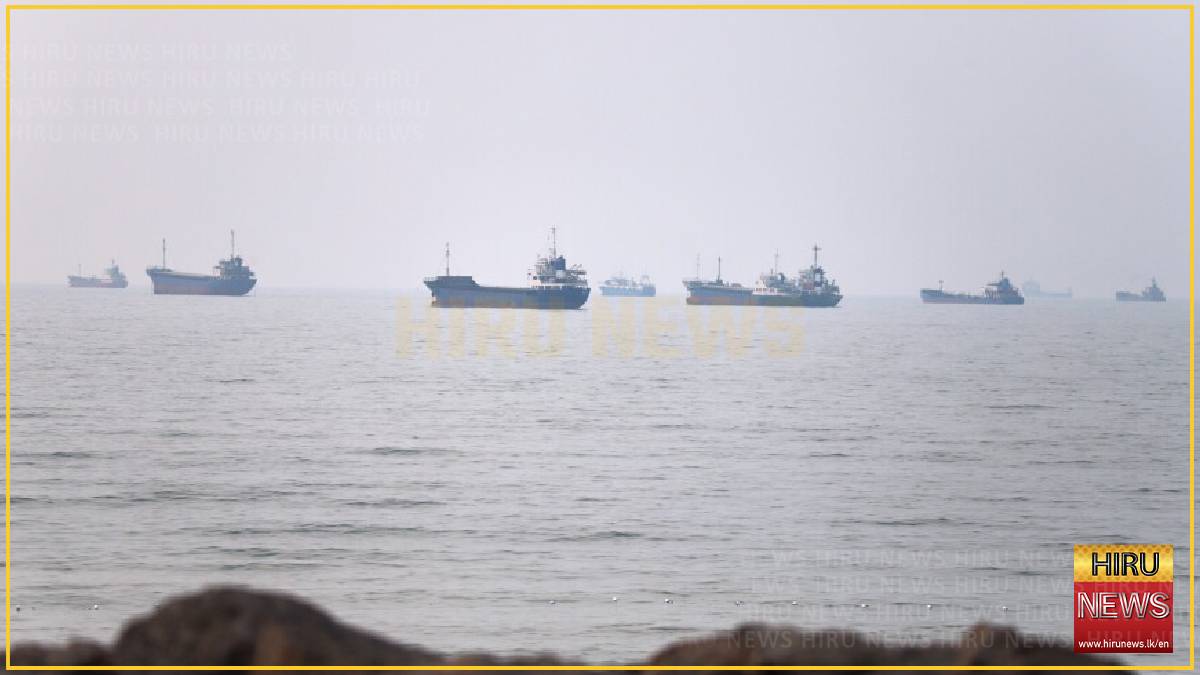
US military says three Iranian tankers struck in Gulf
Local
05 September 2026
Trump officials ramp up leak hunt with polygraph tests
Local
05 September 2026

US divided over Lindsay Clancy murder case
Local
05 September 2026

Missouri asks Supreme Court to revive Republican-drawn congressional map
Local
05 September 2026

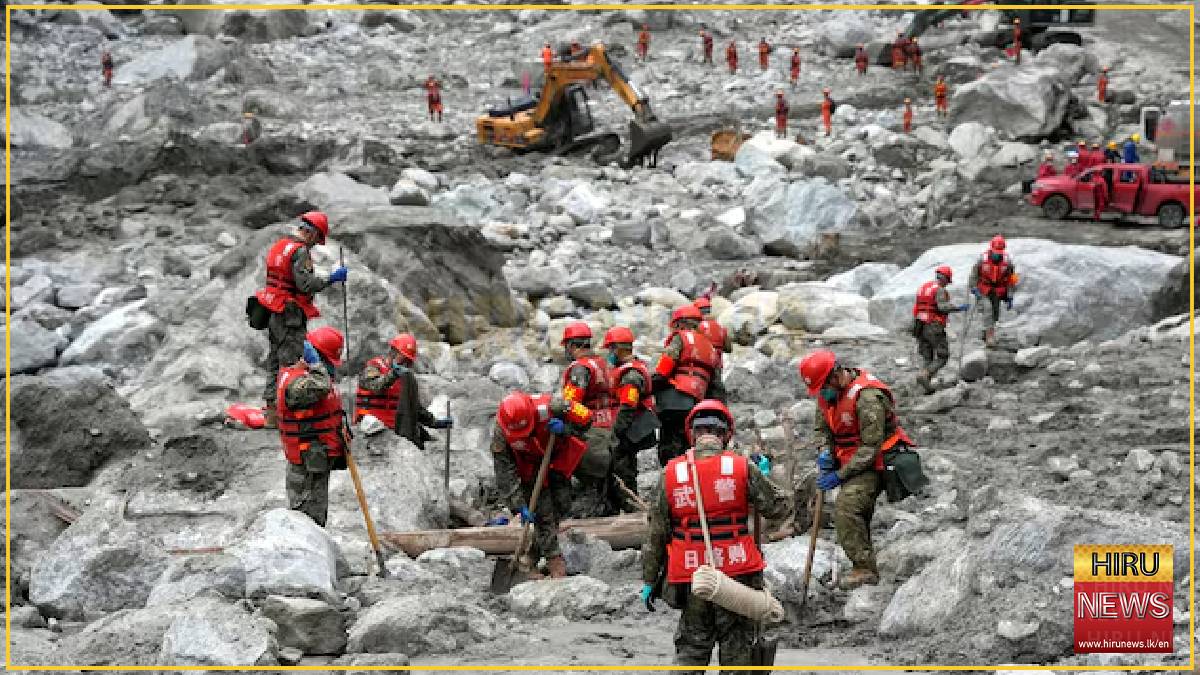
Families of missing pilgrims in Tibet demand answers from China
Local
05 September 2026
Tens of thousands rally in Zagreb over Croatia waste cleanup delays
Local
05 September 2026

Danny Boyle’s ‘Ink’ makes headlines at Telluride
Local
05 September 2026

Greek F-4 crashes during an air show near Athens
Local
05 September 2026

Antonelli challenges Ferrari’s rules of fandom
Local
05 September 2026

Qatar removed from Fitch’s negative watch list
Local
05 September 2026