



Share Post


Sri Lanka’s vehicle market is entering another period of price pressure, with the cost of several models jumping by hundreds of thousands of rupees — and in some cases by several million — as the effects of higher import duties begin to reach buyers.
The latest increases follow the Government’s decision to extend the 50% surcharge on vehicle import duties until December 31. While the impact has been relatively limited on vehicles already in showrooms, the situation is changing as newer consignments face the increased duty.
For buyers, the difference is already substantial.
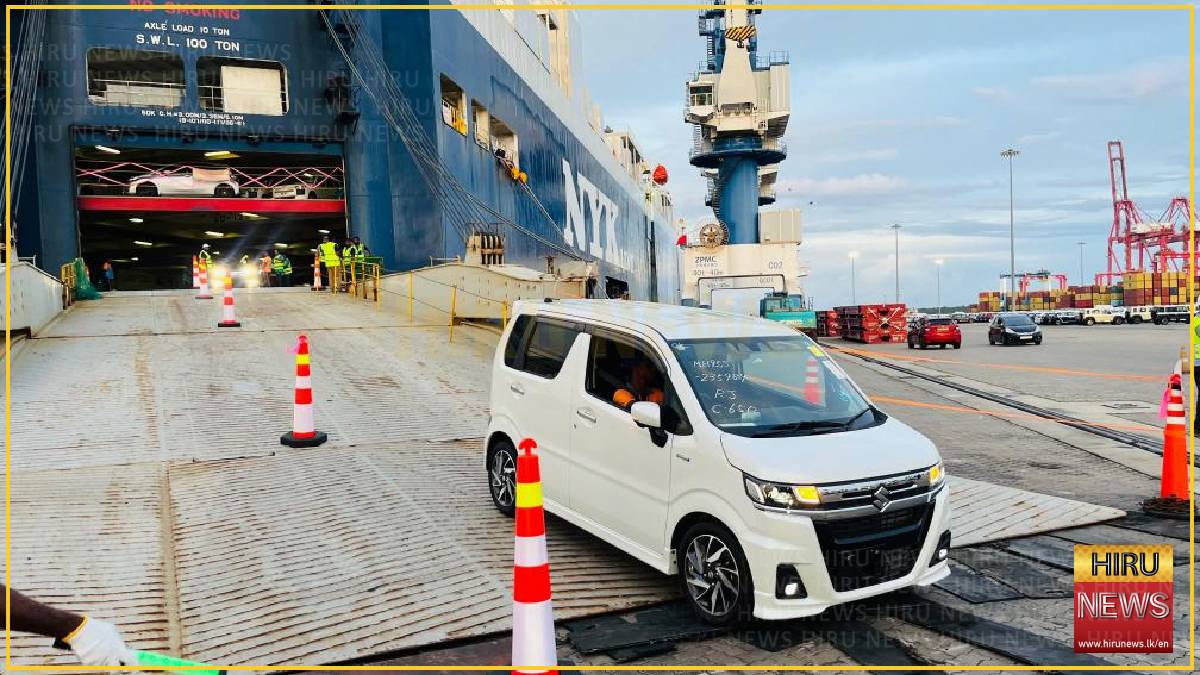
Prices of some of the country’s more popular models have moved up by around Rs. 500,000 to Rs. 900,000. A Suzuki Wagon R is now about Rs. 500,000 more expensive, while a Toyota Raize has seen an increase of roughly Rs. 800,000. A Toyota Yaris has gone up by around Rs. 500,000, and the price of a Honda Vezel has risen by approximately Rs. 900,000.
The biggest impact, however, is being felt in the higher-priced vehicle segment.
A Toyota Prado now costs roughly Rs. 2.5 million more, while the price increase on a Toyota Land Cruiser is estimated at approximately Rs. 4.5 million. Double-cab vehicles have also become significantly more expensive, with increases of around Rs. 2 million to Rs. 2.5 million.
Meanwhile, buyers considering an electric vehicle are also seeing higher prices, with the BYD Atto 1 reportedly increasing by around Rs. 1 million.
Why the sudden jump?
The latest price movements are closely tied to when the vehicles were imported.
According to Prasad Manage, President of the Vehicle Importers Association of Sri Lanka (VIASL), a large proportion of vehicles currently available had been brought into the country under Letters of Credit opened before May 15. These vehicles were not affected by the additional surcharge.
The picture is now beginning to change as vehicles associated with LCs opened after that date are being cleared under the higher-duty structure.
That additional cost is making its way into showroom prices, creating a noticeable gap between vehicles imported under the earlier arrangement and those entering under the revised regime.
Manage said importers had expected the surcharge to come to an end rather than being extended. Its continuation, he warned, is likely to place further upward pressure on prices.
Around 90% of vehicles cleared so far, according to Manage, were imported under LCs that were outside the surcharge arrangement. However, the clearance of vehicles subject to the higher duty has now started to gather pace.
More expensive vehicles could be on the way
The current increases may therefore be only the beginning.
As more consignments imported under the revised duty structure are cleared, dealers expect the additional costs to be reflected in retail prices. This could lead to further increases across several categories, particularly where the underlying import value is high.
For consumers, that could make an already expensive market even harder to navigate, particularly for those waiting for prices to stabilise before making a purchase.
Importers seek a longer-term solution
The vehicle trade is also urging the Government to look beyond temporary surcharges and introduce measures that provide greater stability and predictability to the market.
Manage suggested that changes to tax policy, regulation of Letters of Credit and fixed-rate mechanisms could be considered as alternatives to repeatedly imposing or extending additional surcharges.
The latest price increases underline how quickly changes in import taxation can affect the final price paid by consumers.
With more vehicles now entering the country under the higher-duty regime, the Sri Lankan vehicle market could face another round of price increases in the months ahead — unless there is a change in the current policy.
For prospective buyers, the concern is no longer simply how much a vehicle costs today, but how much it could cost by the time the next shipment reaches the showroom.
The latest increases follow the Government’s decision to extend the 50% surcharge on vehicle import duties until December 31. While the impact has been relatively limited on vehicles already in showrooms, the situation is changing as newer consignments face the increased duty.
For buyers, the difference is already substantial.
Prices of some of the country’s more popular models have moved up by around Rs. 500,000 to Rs. 900,000. A Suzuki Wagon R is now about Rs. 500,000 more expensive, while a Toyota Raize has seen an increase of roughly Rs. 800,000. A Toyota Yaris has gone up by around Rs. 500,000, and the price of a Honda Vezel has risen by approximately Rs. 900,000.
The biggest impact, however, is being felt in the higher-priced vehicle segment.
A Toyota Prado now costs roughly Rs. 2.5 million more, while the price increase on a Toyota Land Cruiser is estimated at approximately Rs. 4.5 million. Double-cab vehicles have also become significantly more expensive, with increases of around Rs. 2 million to Rs. 2.5 million.
Meanwhile, buyers considering an electric vehicle are also seeing higher prices, with the BYD Atto 1 reportedly increasing by around Rs. 1 million.
Why the sudden jump?
The latest price movements are closely tied to when the vehicles were imported.
According to Prasad Manage, President of the Vehicle Importers Association of Sri Lanka (VIASL), a large proportion of vehicles currently available had been brought into the country under Letters of Credit opened before May 15. These vehicles were not affected by the additional surcharge.
The picture is now beginning to change as vehicles associated with LCs opened after that date are being cleared under the higher-duty structure.
That additional cost is making its way into showroom prices, creating a noticeable gap between vehicles imported under the earlier arrangement and those entering under the revised regime.
Manage said importers had expected the surcharge to come to an end rather than being extended. Its continuation, he warned, is likely to place further upward pressure on prices.
Around 90% of vehicles cleared so far, according to Manage, were imported under LCs that were outside the surcharge arrangement. However, the clearance of vehicles subject to the higher duty has now started to gather pace.
More expensive vehicles could be on the way
The current increases may therefore be only the beginning.
As more consignments imported under the revised duty structure are cleared, dealers expect the additional costs to be reflected in retail prices. This could lead to further increases across several categories, particularly where the underlying import value is high.
For consumers, that could make an already expensive market even harder to navigate, particularly for those waiting for prices to stabilise before making a purchase.
Importers seek a longer-term solution
The vehicle trade is also urging the Government to look beyond temporary surcharges and introduce measures that provide greater stability and predictability to the market.
Manage suggested that changes to tax policy, regulation of Letters of Credit and fixed-rate mechanisms could be considered as alternatives to repeatedly imposing or extending additional surcharges.
The latest price increases underline how quickly changes in import taxation can affect the final price paid by consumers.
With more vehicles now entering the country under the higher-duty regime, the Sri Lankan vehicle market could face another round of price increases in the months ahead — unless there is a change in the current policy.
For prospective buyers, the concern is no longer simply how much a vehicle costs today, but how much it could cost by the time the next shipment reaches the showroom.
Latest News
CSE gains over 1% amid regional market rally
Local
04 September 2026

Air India sacks Phuket-Delhi pilot after drug test
Local
04 September 2026
Lasers down 11 cartel drones along southern border
Local
04 September 2026

Global food prices surge to 2022 levels
Local
04 September 2026

Senior aides to Reform UK's Farage step down after foreign funding sting
Local
04 September 2026

COSCO rejects allegations of spying on military communications
Local
04 September 2026

UAE pardons Egyptian-Turkish poet Abdulrahman Qaradawi
Local
04 September 2026

Body of Uganda’s King Oyo returns home for burial
Local
04 September 2026
France's National Rally would stop migrants reaching UK
Local
04 September 2026

Netanyahu allies renew calls to remove Gazans
Local
04 September 2026