Share Post


Iran said it will step up efforts to tackle problems created by the U.S. sanctions that are crippling its economy, while a senior Iranian official warned of a "painful response" if it comes under further attack.
Six months after U.S.-Israeli strikes against Iran, the war appears to be at a stalemate. A preliminary ceasefire accord reached in June has unravelled and little progress has been made in diplomatic efforts to get the peace process back on track.
After a pause in military action for much of August, tit-for-tat strikes have resumed with U.S. Central Command saying it hit three Iranian tankers on Saturday in response to Iran's Islamic Revolutionary Guard Corps launching ballistic missiles at two U.S. Navy ships.
Following the attacks, Iran's Parliament Speaker Mohammad Baqer Qalibaf said on Sunday that the U.S. should understand that the rules of the game in the war against Iran have changed "before it is too late".
"From now on, any attack against Iran’s interests and security will receive a faster, heavier and more painful response,” he said in a speech published on his Telegram channel.
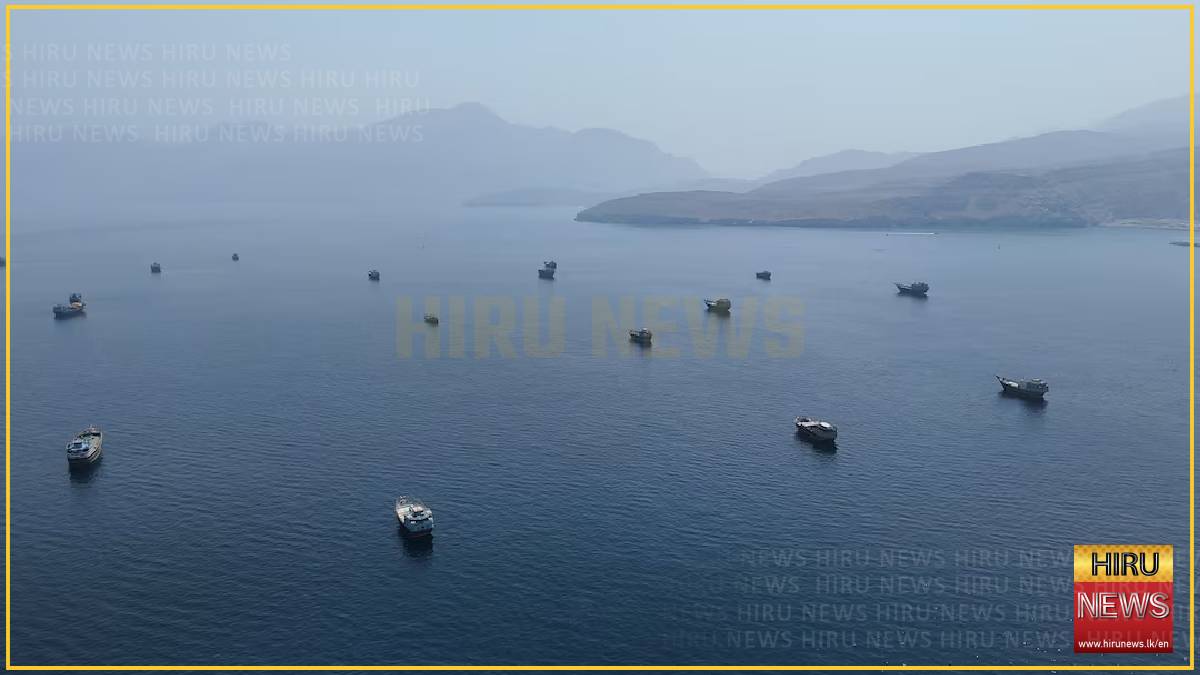
Tehran has shown it still retains the capability to attack U.S. interests in neighbouring countries and to shut down oil flows through the Strait of Hormuz, through which a fifth of global oil supplies flowed prior to the conflict.
- Reuters
Six months after U.S.-Israeli strikes against Iran, the war appears to be at a stalemate. A preliminary ceasefire accord reached in June has unravelled and little progress has been made in diplomatic efforts to get the peace process back on track.
After a pause in military action for much of August, tit-for-tat strikes have resumed with U.S. Central Command saying it hit three Iranian tankers on Saturday in response to Iran's Islamic Revolutionary Guard Corps launching ballistic missiles at two U.S. Navy ships.
Following the attacks, Iran's Parliament Speaker Mohammad Baqer Qalibaf said on Sunday that the U.S. should understand that the rules of the game in the war against Iran have changed "before it is too late".
"From now on, any attack against Iran’s interests and security will receive a faster, heavier and more painful response,” he said in a speech published on his Telegram channel.
Tehran has shown it still retains the capability to attack U.S. interests in neighbouring countries and to shut down oil flows through the Strait of Hormuz, through which a fifth of global oil supplies flowed prior to the conflict.
- Reuters
Latest News
Tokyo tourist hotspot bans short-term rentals amid surge in complaints
Local
08 September 2026

Indonesia suspends nearly 2,000 free meal kitchens for breaching sanitation rules
Local
08 September 2026

UK to announce a trade ban on Israeli West Bank goods
Local
08 September 2026

Argentina says it will file criminal charges against energy company in Falklands row
Local
08 September 2026

Lanka’s Digibrush ranks among Asia-Pacific’s top five
Local
08 September 2026

Nepal says big polluters must ‘wake up’ as it calls for climate compensation over flood disaster
Local
08 September 2026

Seat belt rule on expressways compulsory from Sept. 19
Local
08 September 2026

New Bond ‘has been chosen’, claims Gary Oldman
Local
08 September 2026

63rd UNHRC session begins in Geneva... Sri Lanka up for debate this afternoon
Local
08 September 2026

Hormuz traffic slows after Iran threatens retaliation for US attacks
Local
08 September 2026