




Share Post


Sri Lanka returned to the agenda of the United Nations Human Rights Council this week, as the 63rd session of the Council opened in Geneva.
A new report by the Office of the UN High Commissioner for Human Rights (OHCHR), covering the period from October last year to July this year, urged the Government of Sri Lanka to deliver, in its own words, "robust accountability and institutional reforms."
The report credited the country with some progress, pointing to anti-corruption steps and arrests linked to political killings, enforced disappearances and the 2019 Easter Sunday terrorist attacks.
However, it also warned that the Prevention of Terrorism Act was still being used for arbitrary arrests, and recorded 602 cases of torture and ill-treatment in 2025 alone, together with 18 deaths in custody.
A debate on Sri Lanka is scheduled to begin at 1:40 PM Sri Lanka time this afternoon.
Sri Lanka is, however, only one of many files on a crowded Council desk.
Opening the session, the UN High Commissioner for Human Rights, Volker Türk, described the current global environment as an "age of extremes," pointing to raging wars, deep polarisation, climate chaos and rapid technological change, all of which, he said, were leaving people feeling powerless.
Türk told the Council that there were now more armed conflicts globally than at any point since the end of the Second World War, and singled out the fresh flare-up between the United States and Iran as an indication of just how dangerous the moment had become.
"The past years have been marked by a growing number of armed conflicts, and diminishing respect for international human rights and humanitarian law, and the United Nations Charter itself," Türk said.
"There are now more than 60 wars involving at least one state, the highest number since the end of the Second World War. The surge in conflict between states takes us into particularly dangerous territory."
He said he was alarmed by the resumption of attacks between the United States and Iran, which was affecting the entire Gulf region. "Reports of civilian deaths and injuries, including at a wedding in Hormozgan, are particularly concerning."
Türk added that the geopolitical and economic impacts of the crisis, which he described as entirely avoidable, were once again reverberating around the world, and appealed for an immediate return to negotiations.
The High Commissioner went on to address the crises in Ukraine, Sudan and Gaza, and warned of diminishing respect for international law more broadly, calling for accountability and a return to negotiations.
A new report by the Office of the UN High Commissioner for Human Rights (OHCHR), covering the period from October last year to July this year, urged the Government of Sri Lanka to deliver, in its own words, "robust accountability and institutional reforms."
The report credited the country with some progress, pointing to anti-corruption steps and arrests linked to political killings, enforced disappearances and the 2019 Easter Sunday terrorist attacks.
However, it also warned that the Prevention of Terrorism Act was still being used for arbitrary arrests, and recorded 602 cases of torture and ill-treatment in 2025 alone, together with 18 deaths in custody.
A debate on Sri Lanka is scheduled to begin at 1:40 PM Sri Lanka time this afternoon.
Sri Lanka is, however, only one of many files on a crowded Council desk.
Opening the session, the UN High Commissioner for Human Rights, Volker Türk, described the current global environment as an "age of extremes," pointing to raging wars, deep polarisation, climate chaos and rapid technological change, all of which, he said, were leaving people feeling powerless.
Türk told the Council that there were now more armed conflicts globally than at any point since the end of the Second World War, and singled out the fresh flare-up between the United States and Iran as an indication of just how dangerous the moment had become.
"The past years have been marked by a growing number of armed conflicts, and diminishing respect for international human rights and humanitarian law, and the United Nations Charter itself," Türk said.
"There are now more than 60 wars involving at least one state, the highest number since the end of the Second World War. The surge in conflict between states takes us into particularly dangerous territory."
He said he was alarmed by the resumption of attacks between the United States and Iran, which was affecting the entire Gulf region. "Reports of civilian deaths and injuries, including at a wedding in Hormozgan, are particularly concerning."
Türk added that the geopolitical and economic impacts of the crisis, which he described as entirely avoidable, were once again reverberating around the world, and appealed for an immediate return to negotiations.
The High Commissioner went on to address the crises in Ukraine, Sudan and Gaza, and warned of diminishing respect for international law more broadly, calling for accountability and a return to negotiations.
Latest News
AI passes 48-level ‘I AM Not a Robot’ test
Local
09 September 2026

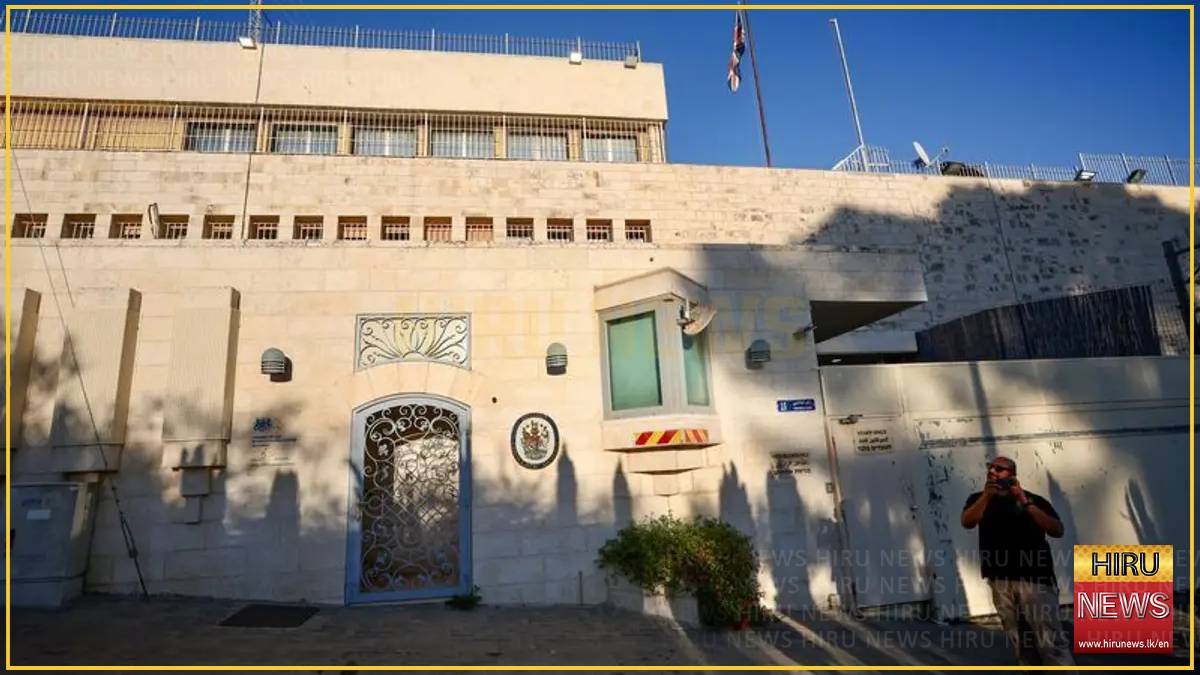
Israel to close British consulate in East Jerusalem after UK, France and Canada ban imports from settlements
Local
09 September 2026
Suspect arrested with illegal liquor stock
Local
09 September 2026

Police introduce temporary system for clearance applications
Local
09 September 2026
Maha paddy cultivation dates proposed for key zones
Local
09 September 2026

Meta continues to run ads promoting child sexual abuse material in India - report
Local
09 September 2026

Robots stage protest demanding AI regulation
Local
09 September 2026

Highest paid world leader to get salary increase of $1 million
Local
09 September 2026
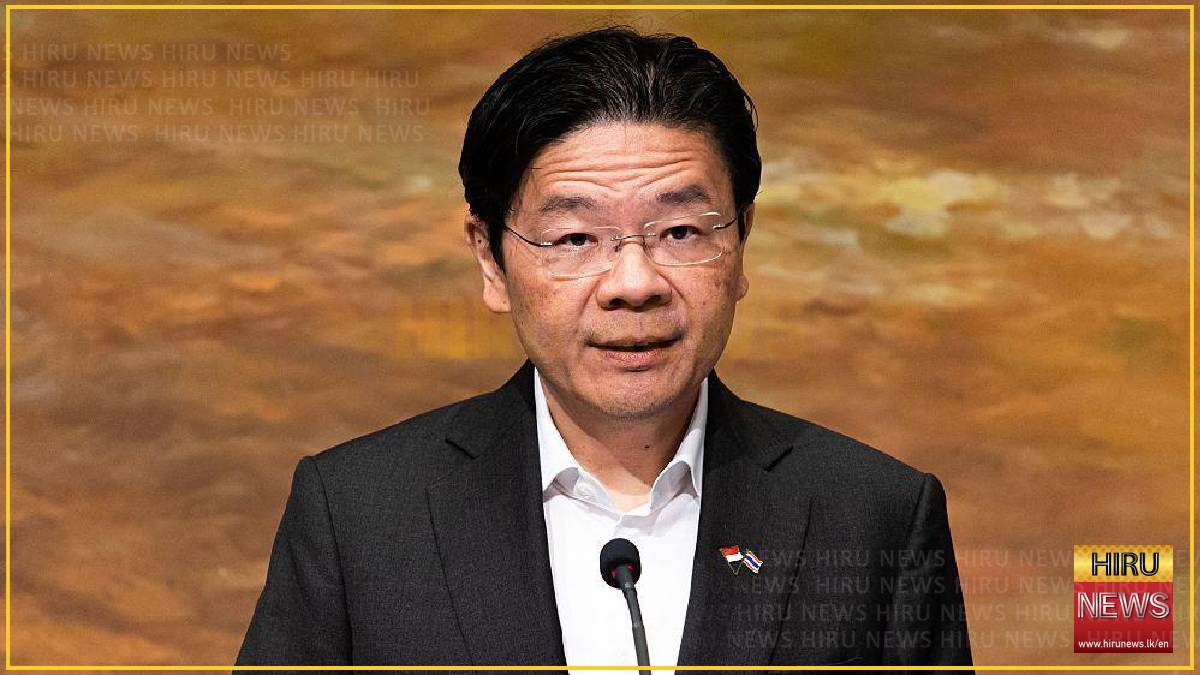
France and Canada to join UK in banning trade with Israeli settlements
Local
09 September 2026

Iran says it targeted two US vessels, eight oil tankers
Local
09 September 2026