



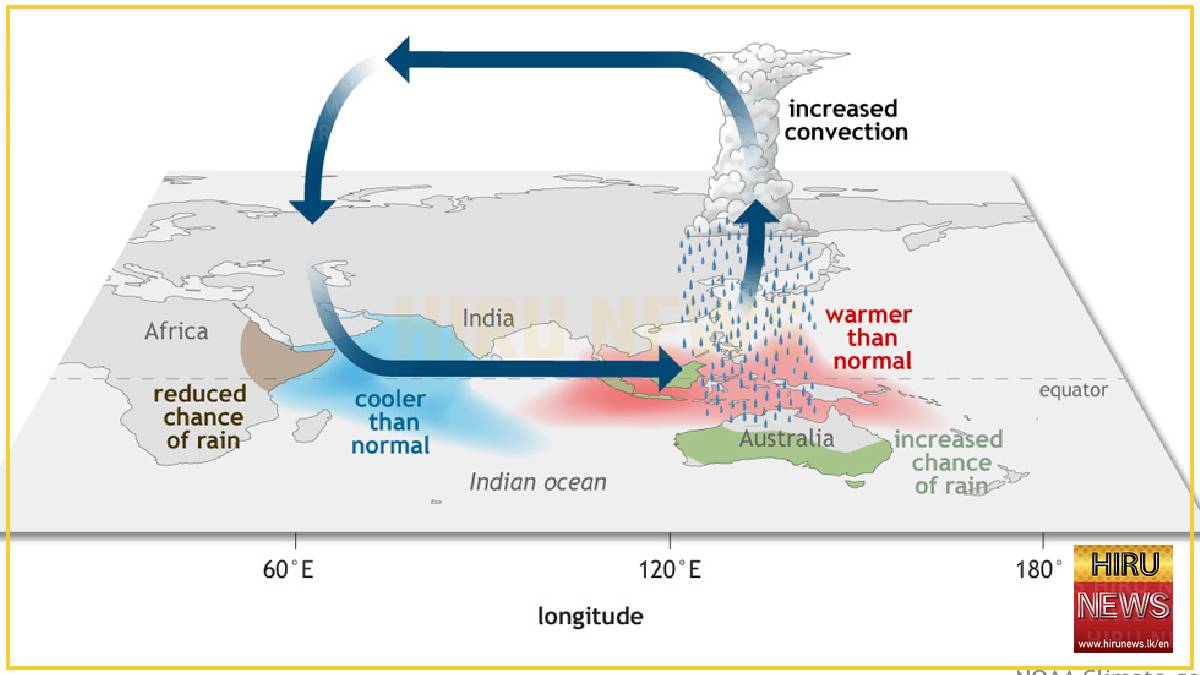


UN Resident Coordinator in Sri Lanka Marc-André Franche has warned that the combined impact of El Niño and the Indian Ocean Dipole (IOD) on the country remains highly uncertain, saying Sri Lanka needs to prepare for several possible climate scenarios.
Franche made the remarks during a discussion with Opposition Leader Sajith Premadasa, who later released a video of the discussion.
He said Sri Lanka is currently facing the influence of two climate phenomena that can counteract each other, making their combined impact difficult to predict.
According to Franche, the most likely scenario at present is a period of drought and high temperatures followed by heavy rainfall.
However, he stressed that other possibilities remain, including the reverse pattern, a combination of different conditions, or neither phenomenon producing a significant impact.
He said the UN and the Food and Agriculture Organization (FAO) have prepared a detailed paper modelling different climate scenarios specifically for Sri Lanka, which could be presented to Parliament or other relevant forums.
Given the uncertainty, Franche said Sri Lanka should adopt a district-by-district approach instead of relying on a single national response.
He identified Anuradhapura as an area where flood-prevention measures would be important, while Monaragala would require greater attention to drought preparedness.
Some districts, he noted, may need to prepare for both risks. He said around 15 to 16 of Sri Lanka’s 25 districts should be given priority over the coming months.
Franche said addressing these risks is not necessarily about securing entirely new funding, but about using existing financial resources, personnel and institutional capacities differently.
However, he acknowledged that additional resources would still be required.
He also stressed the importance of providing timely and clear information to District Secretaries, Land Commissioners, Divisional Secretaries, farmer organisations and herders so they can make informed decisions about planting schedules.
Planting too early or too late, he said, could result in crop failures and require farmers to replant.
The UN has been advocating for district-level preparedness plans and investment and has offered the Government technical assistance, monitoring support and modelling expertise to help assess and manage the potential climate risks.
Franche also said climate risks cannot be considered separately from other pressures affecting Sri Lanka. He pointed to the country’s economic difficulties, tensions in the Middle East and wider global disruptions, including restrictions affecting the Strait of Hormuz and China’s export restrictions on fertiliser.
He also noted that oil prices were around US$95 a barrel on the day of the discussion.
He said these overlapping pressures require a whole-of-Government response. A
mong the measures he suggested were diversifying fertiliser supply arrangements through Sri Lanka’s diplomatic missions and accelerating the adoption of renewable energy to reduce the country’s dependence on expensive fuel imports.
Franche said the UN was also prepared to support a discussion by a Parliamentary Climate Committee or participate in a broader roundtable on the issue, including by bringing in UN specialists to provide technical expertise.
Latest News
Dialog Schools Rugby Awards celebrate growing reach of school rugby

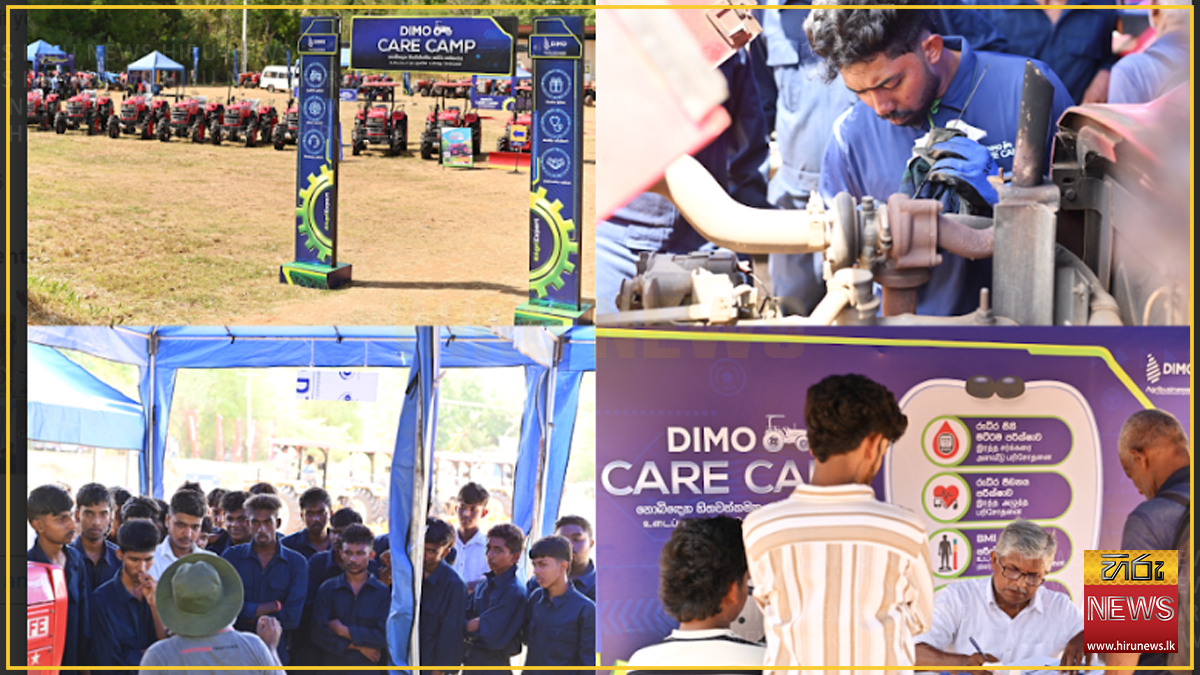
DIMO Agri Machinery completes 38 Care Camps across SL
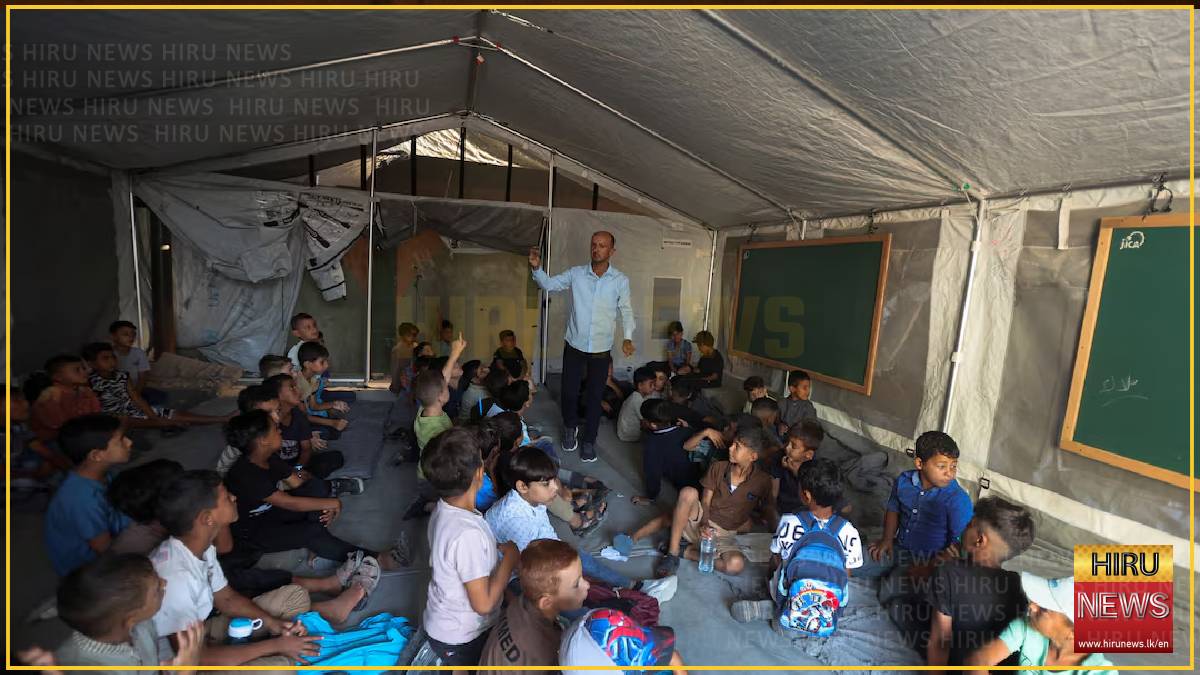
Gaza students return to in-person schooling for first time in three years
Chef Prakhar from Mumbai to head Avartana at ITC Ratnadipa

Resus Energy commissions 2MW solar plant in Ampara

Pope Leo calls for AI systems that don't foster divisions

Sri Lanka Cricket unveils sweeping reforms to modernise game

Meta data center boosts Alberta appeal for hyperscalers

ASPI of the Colombo Stock Exchange closed after losing 77.08 points

Novo Nordisk aims to launch more than five blockbuster drugs by 2030