


Share Post


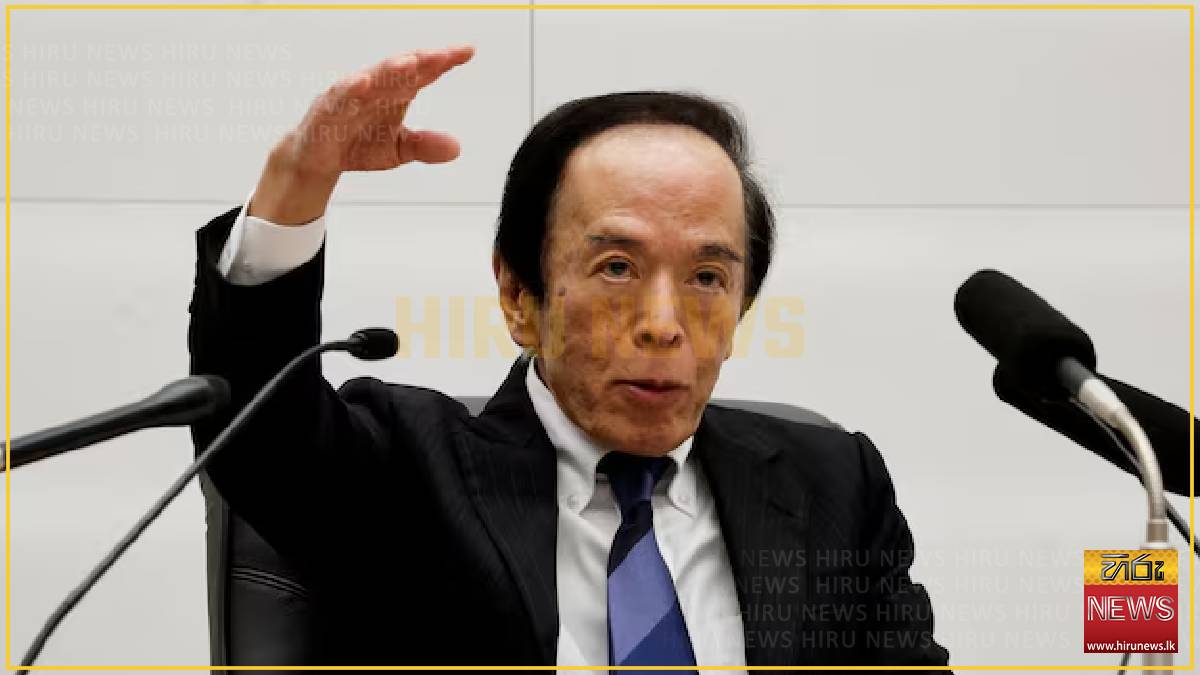
Bank of Japan Governor Kazuo Ueda has been hospitalised for medical treatment and will miss the June 15 to 16 policy meeting, the central bank said on Wednesday.
The central bank is widely expected to raise interest rates next week to levels unseen in three decades to counter mounting inflationary pressures from the Iran war.
It is the first time for the governor, who chairs the BOJ's policy discussions, to miss a scheduled meeting since the central bank began deciding policy under the current arrangement in 1998.
The governor will submit a written statement on his view on policy but will not participate in next week's vote, the BOJ said in a statement.
Ueda, 74, is expected to remain in hospital for about two weeks getting treatment for an infected liver cyst, work remotely and attend the next July 30 to 31 policy meeting, the central bank said.
His hospitalisation is unlikely to affect next week's decision, with a rate hike highly anticipated, but it will complicate the BOJ's communication about what may come next, said Mari Iwashita, executive rates strategist at Nomura Securities.
"With Ueda's absence, the BOJ may decide not to send clear signals on the future rate path. Given uncertainty on how long it may take for the governor to fully recover, it's also become more unclear on whether the BOJ would hike again this year."
Deputy Governor Ryozo Himino will preside over the rate review in place of Ueda, while the other deputy governor, Shinichi Uchida, is set to host the post-meeting press conference, the BOJ said.
The announcement follows one the BOJ made in late May that its Deputy Governor Uchida had been discharged from hospital after recovering from leukaemia treatment.
The yen was roughly steady on the day against the dollar, which traded at 160.5, a level traders watch closely as it has triggered official intervention in the past.
Since taking the helm in 2023, Ueda has spent the first half of his tenure dismantling the remnants of his predecessor's massive stimulus as rising commodity and energy costs and intensifying labour shortages propelled inflation above the BOJ's 2% target.
The BOJ is now at a critical juncture as it moves away from withdrawing stimulus in baby steps towards fighting inflation - something it has not done for decades.
Ueda's hawkish speech earlier this month underscored the BOJ's changed narrative that led markets to near fully price in the chance of a June rate hike.
At the previous meeting in April, three of the BOJ's nine board members already voted in favour of hiking its short-term policy rate to 1% from 0.75%, and since then two more, Junko Koeda and Kazuyuki Masu, called for a near-term rate hike.
However, Prime Minister Sanae Takaichi, known as an advocate of loose fiscal and monetary policy, has voiced reservations over the BOJ's rate-hike plans.
Some analysts said Ueda's health issue may offer Takaichi an opportunity to influence the BOJ policy including by selecting his successor if the governor were to step down.
Norihiro Yamaguchi, senior economist at Oxford Economics in Tokyo, said such a scenario now appeared unlikely.
"That said, it is also true that Takaichi is likely to appoint a more dovish person if she were to appoint a new governor," he said.
-Reuters
The central bank is widely expected to raise interest rates next week to levels unseen in three decades to counter mounting inflationary pressures from the Iran war.
It is the first time for the governor, who chairs the BOJ's policy discussions, to miss a scheduled meeting since the central bank began deciding policy under the current arrangement in 1998.
The governor will submit a written statement on his view on policy but will not participate in next week's vote, the BOJ said in a statement.
Ueda, 74, is expected to remain in hospital for about two weeks getting treatment for an infected liver cyst, work remotely and attend the next July 30 to 31 policy meeting, the central bank said.
His hospitalisation is unlikely to affect next week's decision, with a rate hike highly anticipated, but it will complicate the BOJ's communication about what may come next, said Mari Iwashita, executive rates strategist at Nomura Securities.
"With Ueda's absence, the BOJ may decide not to send clear signals on the future rate path. Given uncertainty on how long it may take for the governor to fully recover, it's also become more unclear on whether the BOJ would hike again this year."
Deputy Governor Ryozo Himino will preside over the rate review in place of Ueda, while the other deputy governor, Shinichi Uchida, is set to host the post-meeting press conference, the BOJ said.
The announcement follows one the BOJ made in late May that its Deputy Governor Uchida had been discharged from hospital after recovering from leukaemia treatment.
The yen was roughly steady on the day against the dollar, which traded at 160.5, a level traders watch closely as it has triggered official intervention in the past.
Since taking the helm in 2023, Ueda has spent the first half of his tenure dismantling the remnants of his predecessor's massive stimulus as rising commodity and energy costs and intensifying labour shortages propelled inflation above the BOJ's 2% target.
The BOJ is now at a critical juncture as it moves away from withdrawing stimulus in baby steps towards fighting inflation - something it has not done for decades.
Ueda's hawkish speech earlier this month underscored the BOJ's changed narrative that led markets to near fully price in the chance of a June rate hike.
At the previous meeting in April, three of the BOJ's nine board members already voted in favour of hiking its short-term policy rate to 1% from 0.75%, and since then two more, Junko Koeda and Kazuyuki Masu, called for a near-term rate hike.
However, Prime Minister Sanae Takaichi, known as an advocate of loose fiscal and monetary policy, has voiced reservations over the BOJ's rate-hike plans.
Some analysts said Ueda's health issue may offer Takaichi an opportunity to influence the BOJ policy including by selecting his successor if the governor were to step down.
Norihiro Yamaguchi, senior economist at Oxford Economics in Tokyo, said such a scenario now appeared unlikely.
"That said, it is also true that Takaichi is likely to appoint a more dovish person if she were to appoint a new governor," he said.
-Reuters
Latest News
World markets walk a tightrope between AI stocks and oil shocks
Local
10 June 2026

7 individuals and two firms charged over Hong Kong deadly fire
Local
10 June 2026

Pakistan army helicopter crashes in Kashmir
Local
10 June 2026

Trump Media and TAE Technologies will not spin off Truth Social
Local
10 June 2026

German union calls for swift action to secure Volkswagen's Osnabrueck plant
Local
10 June 2026
Bank of Japan governor Ueda hospitalised
Local
10 June 2026
One dead after three-wheeler collides with train
Local
10 June 2026

Bank of Canada holds rates
Local
10 June 2026
Largest ICE detention facility put detainees at risk
Local
10 June 2026

Indonesia swallows 'bitter pill' to stem market rout as policy tide turns
Local
10 June 2026