


Share Post


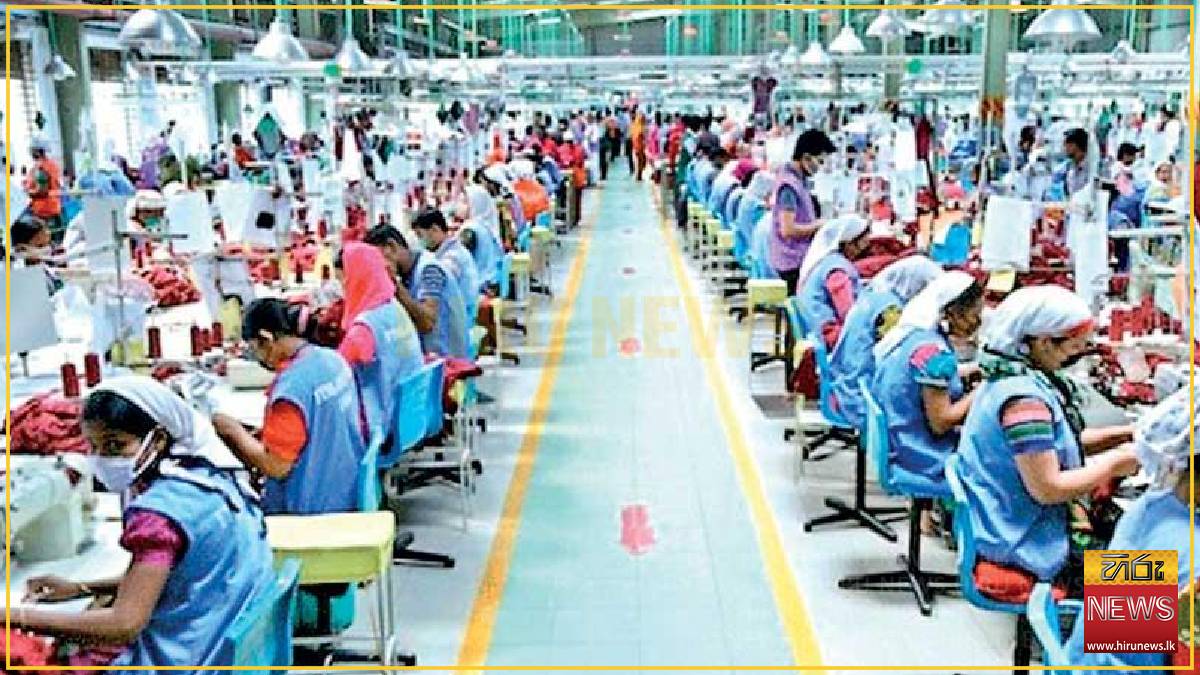
Immediate government action is required to address United States concerns regarding imports linked to forced labour, or Sri Lankan apparel exports face a higher additional tariff of 12.5%. Joint Apparel Association Forum Sri Lanka Secretary General Yohan Lawrence stated that the industry is engaging with policymakers to secure inclusion in the lower 10% additional tariff category.
The US categorises countries based on their measures to restrict forced labour imports. Sri Lanka sits in the non-compliant group due to a lack of specific legislation and the absence of a formal commitment to the United States Trade Representative.
A 2.5 percentage-point tariff disparity threatens the competitiveness of local exports, with Yohan Lawrence warning that the gap could widen. Ongoing public consultations see the apparel sector pushing for measures to satisfy United States Trade Representative requirements.
Current Sri Lankan apparel exports to the US carry Most Favoured Nation tariffs between 6% and 37%, alongside a temporary 10% tariff expiring in July. Following expiration, exporters face either a 10% or 12.5% additional rate based on compliance. Failure to qualify for the preferred status means Sri Lanka faces Most Favoured Nation rates plus 12.5%, while competitors like Pakistan, Cambodia, Bangladesh, and Indonesia benefit from the 10% addition.
International buyers will likely demand price cuts to counter the duties, squeezing tight profit margins for local exporters. The United States Trade Representative announced on 2 June that a lower 10% tariff applies to nations with forced labour import bans, reciprocal commitments, or partial restrictions, leaving non-compliant nations with a 12.5% rate. A Reuters review indicates 14 economies meet the lower tariff criteria, including Canada, the European Union, Mexico, Pakistan, Bangladesh, Cambodia, Indonesia, Malaysia, Taiwan, the United Kingdom, Argentina, Ecuador, El Salvador, and Guatemala.
The US categorises countries based on their measures to restrict forced labour imports. Sri Lanka sits in the non-compliant group due to a lack of specific legislation and the absence of a formal commitment to the United States Trade Representative.
A 2.5 percentage-point tariff disparity threatens the competitiveness of local exports, with Yohan Lawrence warning that the gap could widen. Ongoing public consultations see the apparel sector pushing for measures to satisfy United States Trade Representative requirements.
Current Sri Lankan apparel exports to the US carry Most Favoured Nation tariffs between 6% and 37%, alongside a temporary 10% tariff expiring in July. Following expiration, exporters face either a 10% or 12.5% additional rate based on compliance. Failure to qualify for the preferred status means Sri Lanka faces Most Favoured Nation rates plus 12.5%, while competitors like Pakistan, Cambodia, Bangladesh, and Indonesia benefit from the 10% addition.
International buyers will likely demand price cuts to counter the duties, squeezing tight profit margins for local exporters. The United States Trade Representative announced on 2 June that a lower 10% tariff applies to nations with forced labour import bans, reciprocal commitments, or partial restrictions, leaving non-compliant nations with a 12.5% rate. A Reuters review indicates 14 economies meet the lower tariff criteria, including Canada, the European Union, Mexico, Pakistan, Bangladesh, Cambodia, Indonesia, Malaysia, Taiwan, the United Kingdom, Argentina, Ecuador, El Salvador, and Guatemala.
Latest News
Norway's crown princess undergoes successful lung transplant
Local
17 June 2026

Asia drives global aquatic production to record high
Local
17 June 2026
Six-year ban imposed on Star Entertainment ex-CEO
Local
17 June 2026
Telegram challenges India ban over exam paper leak fears
Local
17 June 2026

US shift on Ukraine war seen more realistic by G7 leaders
Local
17 June 2026
SpaceX shares surge after world's biggest IPO
Local
17 June 2026
Austin Powers 4 is happening confirms
Local
17 June 2026

NMRA to revise prices of 60 medicines via new Gazette
Local
17 June 2026

PMI signals stronger private sector growth in May
Local
17 June 2026

Gustav Mahler Orchestra of Colombo celebrates eight years
Local
17 June 2026