



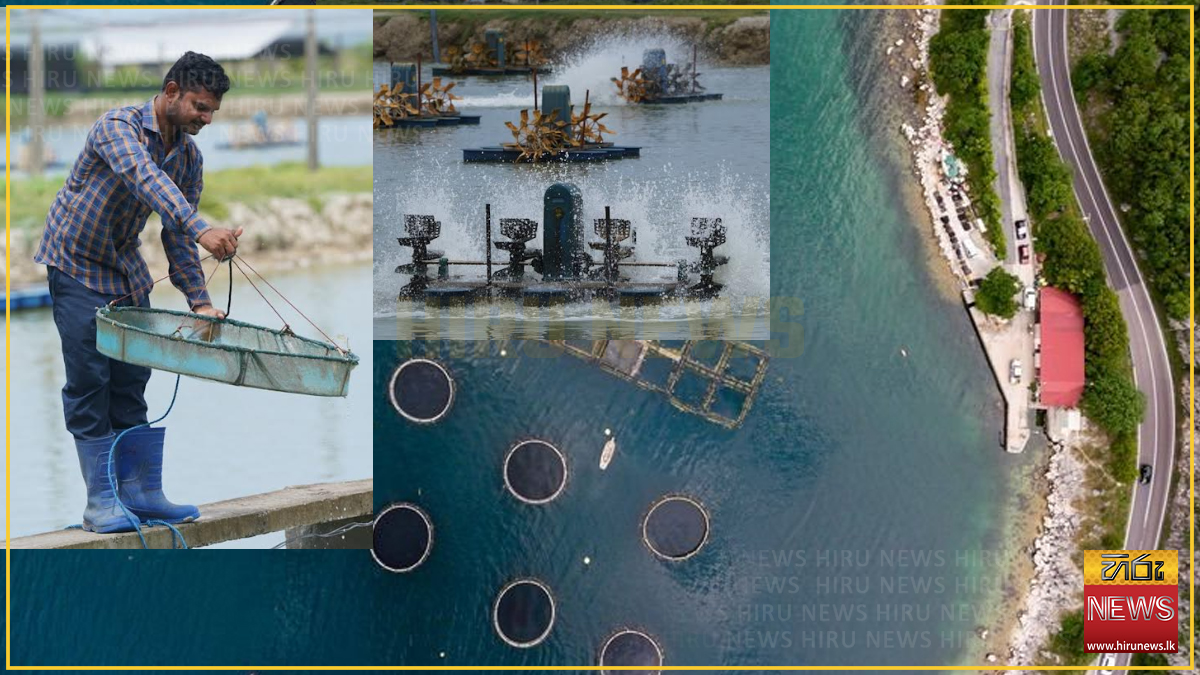


Global production of aquatic animals and algae reached a new high of 235 million tonnes in 2024, driven largely by the rapid expansion of aquaculture, according to a new report by the Food and Agriculture Organization of the United Nations (FAO) launched today during the Our Ocean Conference in Mombasa, Kenya.
The 2026 edition of The State of World Fisheries and Aquaculture flagship report shows that Asia led this growth, accounting for 76% of global production of aquatic animals and algae. In 2024, the region produced 179 million tonnes, with nearly three quarters — or 130 million tonnes — coming from aquaculture.
Aquaculture continues to be the main engine behind global expansion. Between 2000 and 2024, production of farmed aquatic animals increased by 70 million tonnes, with Asia contributing 90% of this growth and maintaining an average annual growth rate of 5%.
The region also leads in algae production, accounting for 97% of the almost 40 million tonnes produced globally in 2024, according to the report.
“Asia’s leadership in aquatic food production reflects decades of investment in aquaculture, innovation and value chains,” says Alue Dohong, Assistant Director-General and Regional Representative of FAO in Asia and the Pacific. “As global demand for aquatic foods continues to grow, the region will play a key role in ensuring stable supplies and supporting the livelihoods of millions.”
Over the past two decades, production of farmed aquatic animals in Asia has more than doubled, rising to 91.5 million tonnes in 2024.
Growth is concentrated in a handful of countries led by China, which alone accounts for a substantial share of both regional and global output at 57.6 million tonnes of farmed aquatic animals. Other major producers include India, Indonesia, Viet Nam and Bangladesh.
Asia is also the world leader in inland and marine capture fisheries production, accounting for 51% and 63% of global output, respectively.
In terms of marine capture fisheries, the top five Asian producers — China, Indonesia, India, Viet Nam and Japan — account for 37% of global production.
In inland fisheries, Asia produced 7.8 million tonnes in 2024. The top five producers — India, Bangladesh, China, Myanmar and Indonesia — accounted for 50% of global inland fisheries production, highlighting the region’s important role in sustaining nutrition and livelihoods.
Aquatic animal foods play a significant role in diets and nutrition worldwide, with global average availability estimated at 21.1 kg per person per year in 2023. Asia recorded the highest regional availability at 26.3 kg per capita, well above the global average, while also accounting for nearly three quarters of global aquatic animal food availability for human consumption.
At country level, the Maldives leads per capita consumption with 87 kg of aquatic animal foods per year. It is followed by China Hong Kong SAR, Malaysia, China Macao SAR, and the Republic of Korea.
Asia also leads in terms of employment, trade and fleet capacity.
Fisheries and aquaculture support an estimated 600 million livelihoods across the value chain worldwide. Of these, 65.3 million people were directly employed in the primary sector in 2024, and 85% of them were based in Asia.
India is the world leader with 17 million fishers and fish farmers. China is second with 11 million direct jobs, followed by Bangladesh (8.1 million), Indonesia (5.2 million) and Viet Nam (2.8 million).
Asia is also a major force in international trade of aquatic animal products, accounting for 34% of global export value. China leads with exports worth USD 20 billion in 2024, followed by Viet Nam, India, Thailand and Indonesia.
As of 2024, the region hosts the world’s largest fishing fleet with 3.4 million vessels, 72% of the estimated global fleet of 4.7 million vessels.
Asia’s role in the global aquatic food system is expected to remain important, with the region projected to produce 72% of aquatic animals globally and record a projected growth rate of 10% by 2034.
“Asia will continue to play a central role in the global aquatic food system,” says Alue Dohong.
Latest News
World Vision launches Shiksha/Kalvi Campaign to transform 50 schools

AI will lead to labour shortages, says expert

US military drops Indo-Pacific label, returns to Pacific Command

Hundreds of cats rescued from major animal theft ring in Vietnam
Catholic Church denies influencing top police appointments

Hungary launches probe into seizure of Ukrainian cash and gold

Court to hear Gotabaya Rajapaksa's petition tomorrow

Yoshitha brought to court

UK PM calls Channel incident 'reckless'

Norway's crown princess undergoes successful lung transplant