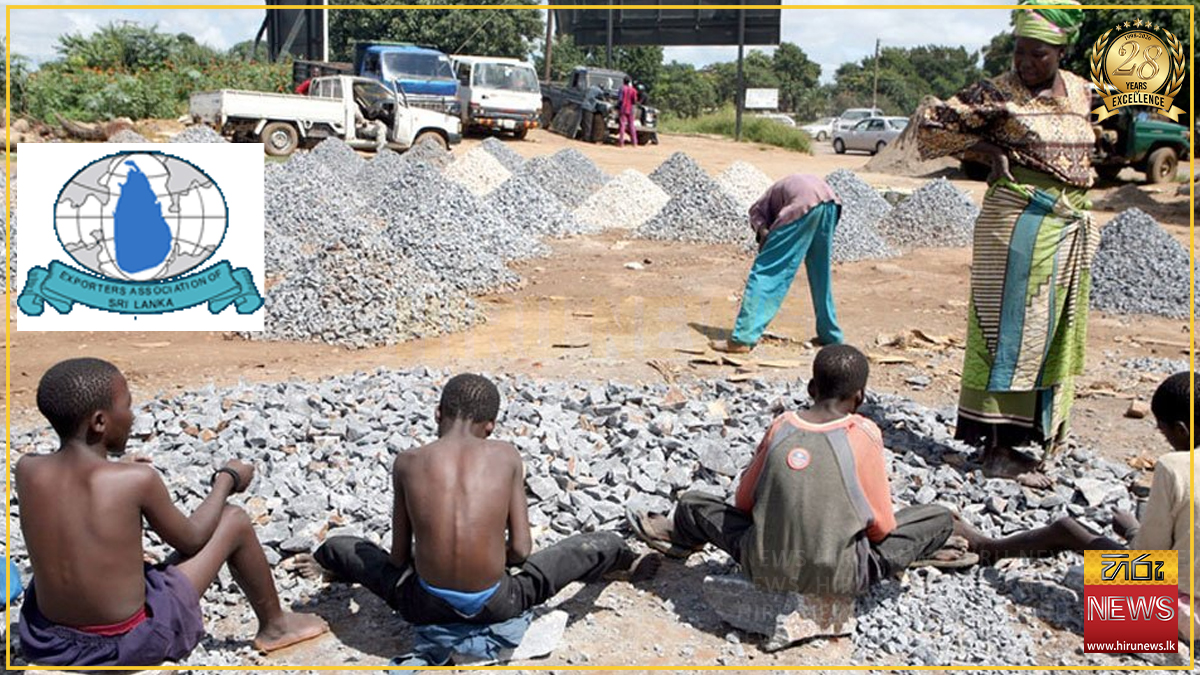


The Exporters Association of Sri Lanka (EASL) has called on the Government to establish a clear implementation framework for the newly gazetted regulations prohibiting the importation of goods produced through forced labour, while supporting Sri Lanka’s commitment to internationally accepted labour standards.
As an export-oriented nation, the EASL said maintaining confidence in Sri Lanka’s trading environment and complying with international obligations remain critical.
“The Association notes that while the new regulations prohibiting the importation of goods produced through forced labour have been gazetted, the operational guidelines on the same are yet to be finalised,” said Nalaka Ratnayake, Chairman of the Exporters Association of Sri Lanka.
The Association said it looks forward to continued dialogue with authorities on implementing the new regulations, stressing the importance of protecting supply chains while ensuring the expeditious clearance of cargo at the Port of Colombo.
It warned that without a clearly defined and internationally aligned implementation framework, businesses could face uncertainty, higher compliance costs, shipment delays, administrative burdens and disruptions to legitimate trade.
The EASL urged the Government to conduct structured consultations with exporters, importers, chambers of commerce, logistics service providers and other stakeholders before introducing operational procedures.
The Association also recommended that Sri Lanka adopt a risk-based enforcement model aligned with international best practices, focusing on high-risk goods, supply chains and jurisdictions rather than imposing blanket documentation requirements on all import transactions.
The EASL further encouraged the Department of Customs to publish comprehensive implementation guidelines covering acceptable documentary requirements, verification procedures and reasonable transition arrangements before enforcement begins.
“Sri Lanka’s exporters fully support ethical trade and the elimination of forced labour from global supply chains. However, any new compliance regime must be supported by clear implementation guidelines and meaningful stakeholder consultation to ensure that legitimate trade is not adversely affected. A transparent, practical and risk-based approach will help achieve the objectives of the regulation while preserving Sri Lanka’s competitiveness as a trading nation,” Ratnayake said.
The Exporters Association of Sri Lanka represents exporters across a wide range of sectors and works closely with policymakers and stakeholders to promote policies that enhance Sri Lanka’s export competitiveness, trade facilitation and sustainable economic growth.
Latest News
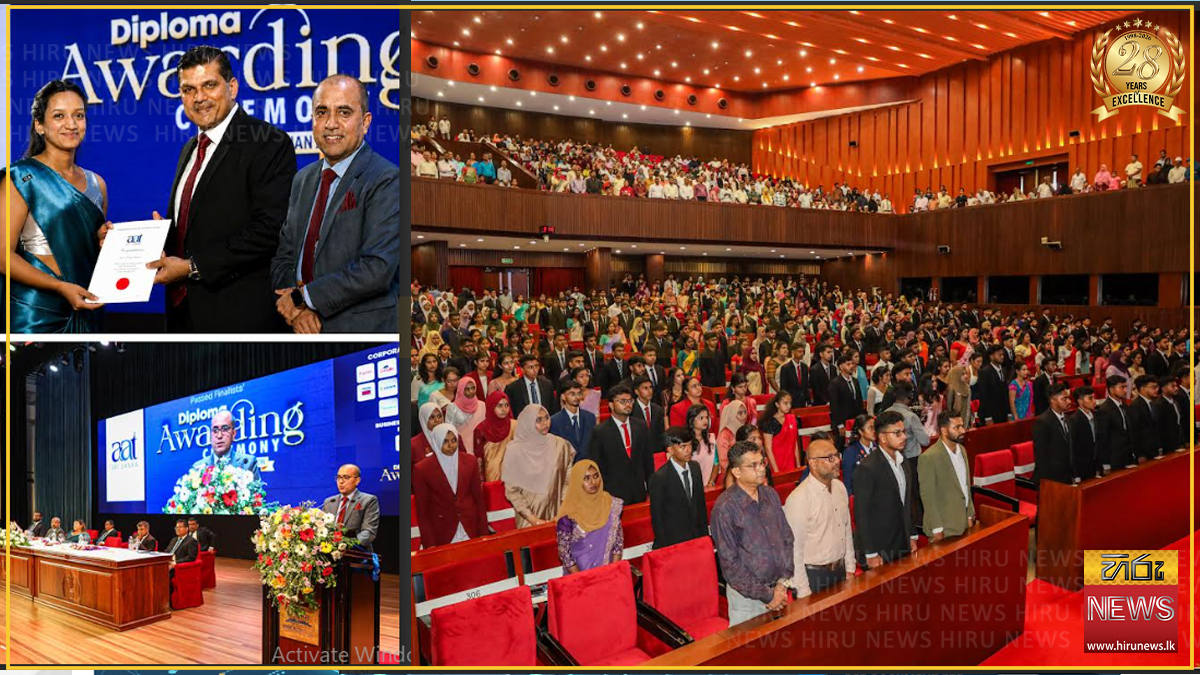
AAT Sri Lanka felicitates 2,179 Passed Finalists at Diploma awarding ceremony
FACETS Sri Lanka 2027 from Jan. 4 at Cinamon Life
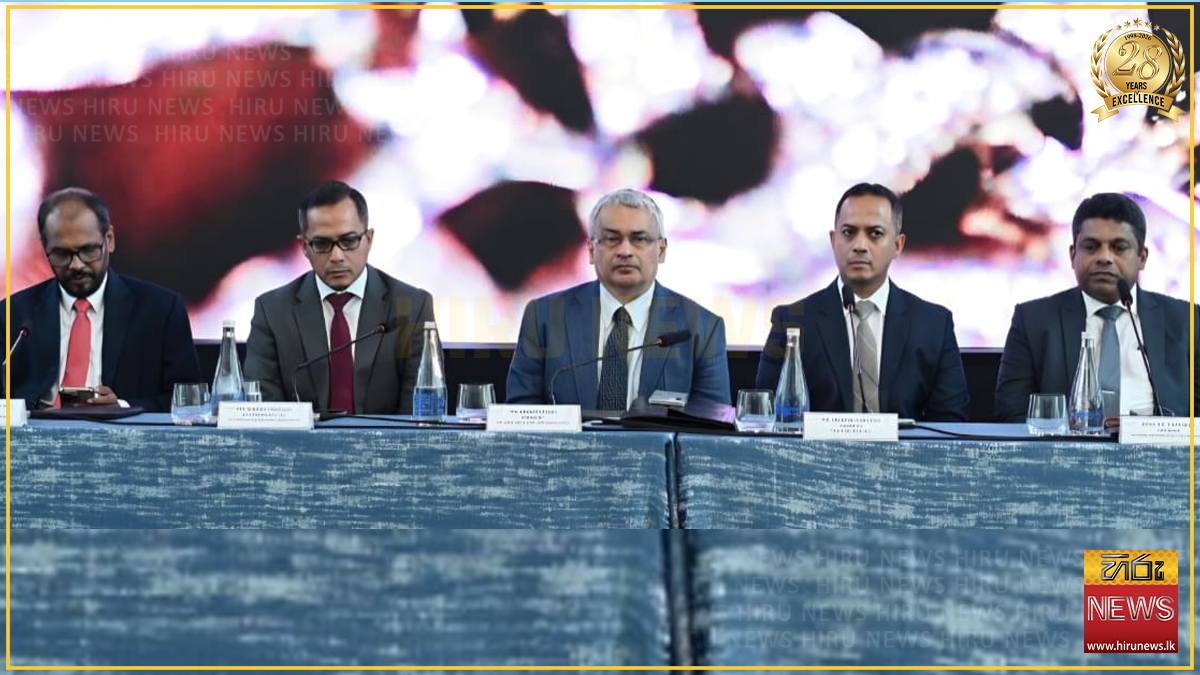
LPL rights holder IPG backs probe into Jaffna Kings owner

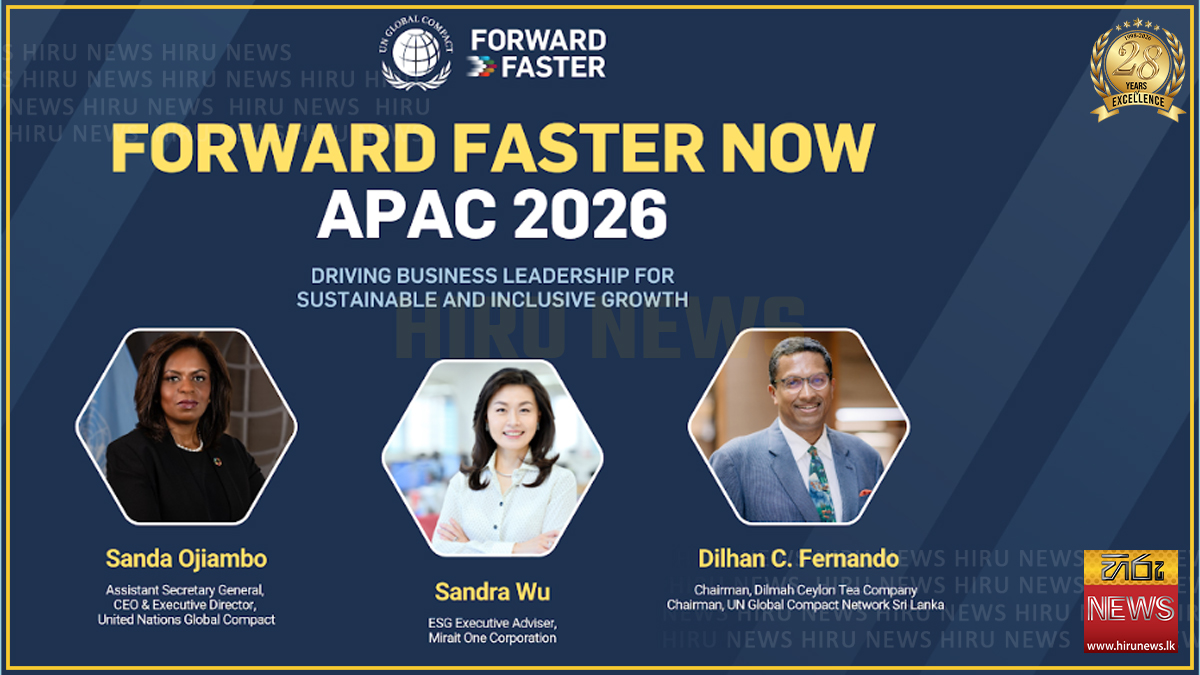
UN Global Compact to host ‘Forward Faster Now APAC 2026’ in Sri Lanka
World Cup rings for winners as Trump attendance confirmed

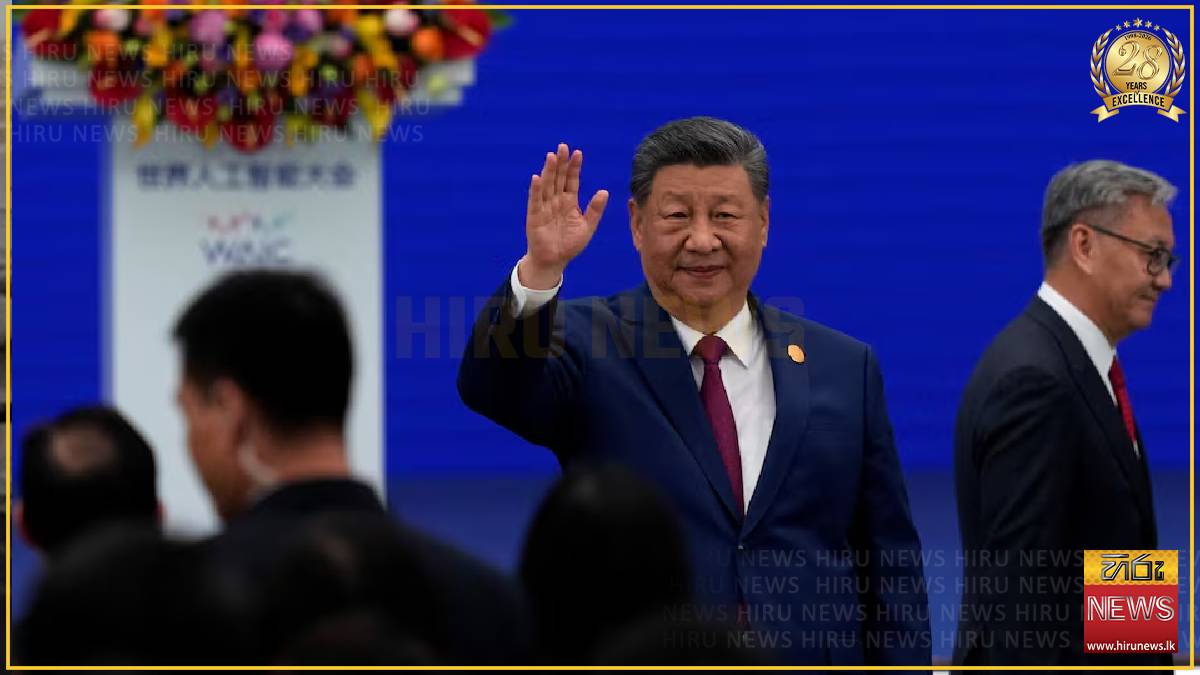
Xi pitches China as leader of new global AI order, challenging US dominance
Jacqueline Fernandez debuts AI avatar

Exporters Association calls for clear framework on forced labour import rules
Former IGP Wickramaratne's death probe handed over to Western Province North Crimes Division

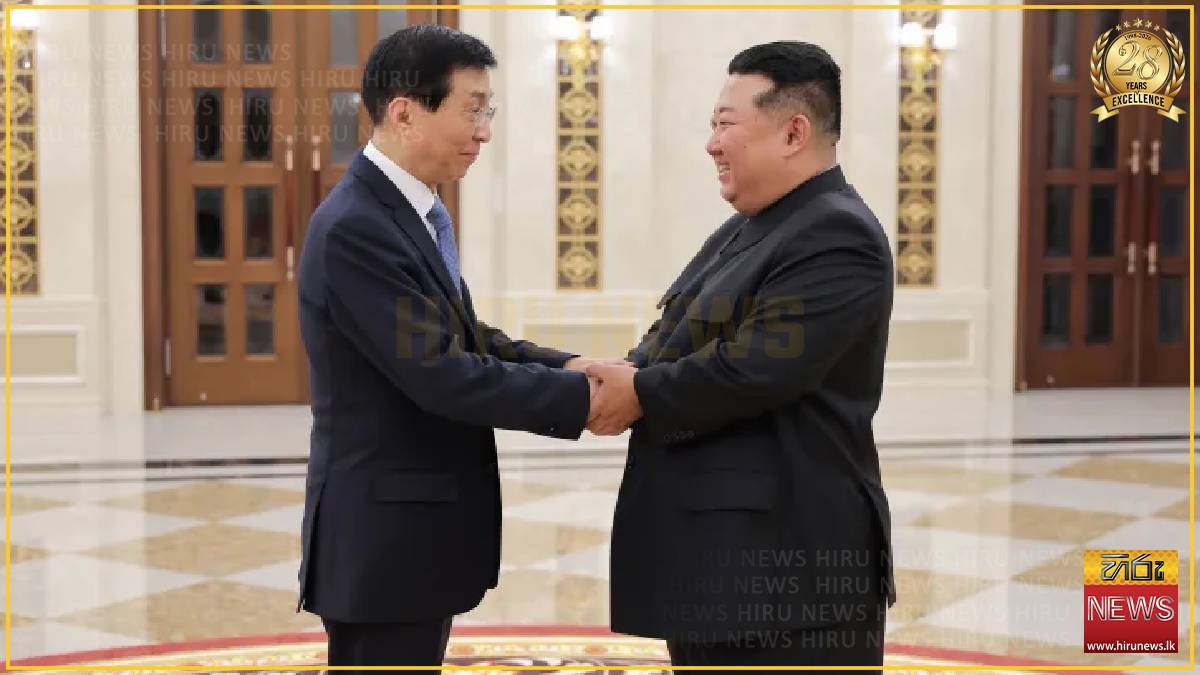
Kim Jong Un meets top Chinese diplomat