



Share Post


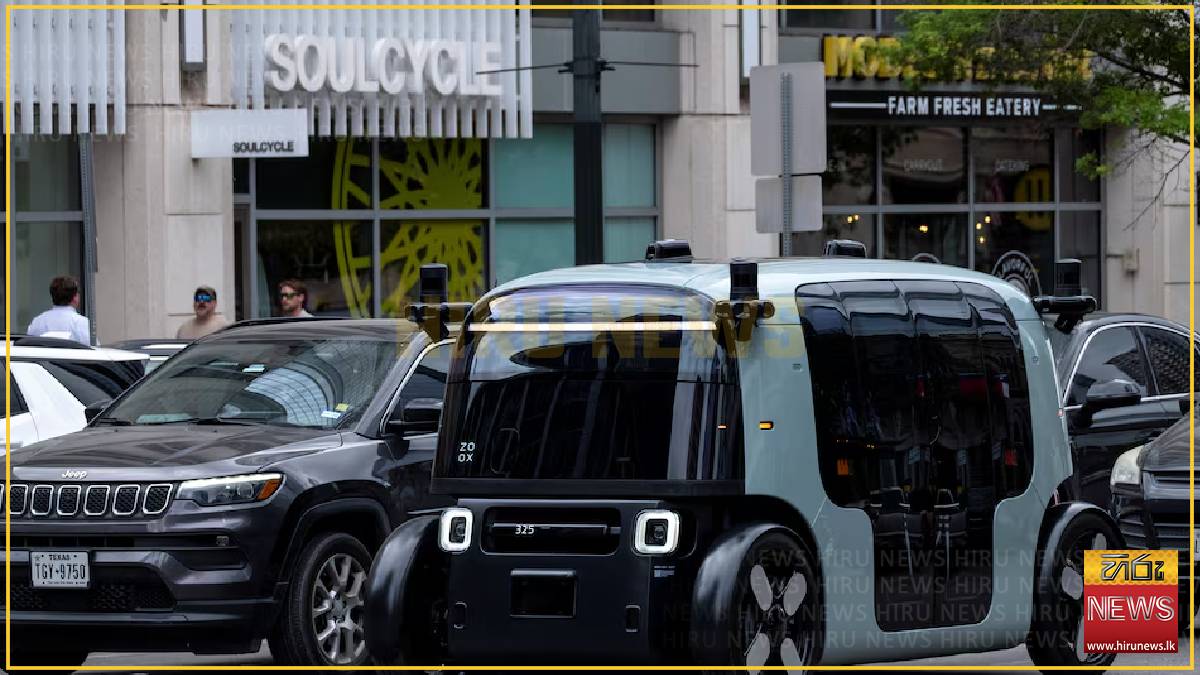
Amazon's Zoox will begin paid rides in Las Vegas next week, the company said on Wednesday, days after the U.S. road safety agency allowed commercial deployment of its robotaxis that run without human controls.
Zoox, whose electric carriage-style vehicle has two rows of inward-facing seats, has been carrying passengers in Las Vegas, San Francisco, Austin and Miami for free as part of testing.
Its commercial launch intensifies competition in the U.S. robotaxi market, where Alphabet's Waymo already operates paid driverless services in multiple cities and Tesla has begun rolling out its service, as companies race to scale autonomous ride-hailing.
Zoox will start charging passengers in Las Vegas from Monday, with pricing similar to the "comfort" tier offered by other ride-hailing companies, it said in a statement. The "comfort" tier typically offers newer, roomier vehicles at fares about 20%-40% higher than standard ride-hailing services.
It did not disclose when it would start paid rides in other cities.
Zoox was the first autonomous ride-hailing company to receive the National Highway Traffic Safety Administration's (NHTSA) exemption from federal rules requiring human controls, marking a milestone for companies developing robotaxis from the ground up, rather than modifying conventional cars.
The clearance, however, is limited to up to 2,500 vehicles in each of the next two years.
NHTSA said it determined Zoox's vehicle was as safe as an equivalent vehicle meeting federal motor vehicle safety standards, but placed additional reporting requirements for issues such as crashes or stopping inappropriately on roads.
Zoox said fares will be based on a base fare plus time and distance model calculated using the best route, with any destination-specific fees, such as airport trips, disclosed upfront, and riders will not pay more if the robotaxi takes a longer route than planned.
Robotaxi operators continue to face regulatory scrutiny over safety, particularly their handling of emergency scenes and interactions with other road users.
Zoox has issued several software recalls over the past two years, most recently in July after one of its robotaxis struggled to detect heavy smoke at an emergency scene.
-Reuters
Zoox, whose electric carriage-style vehicle has two rows of inward-facing seats, has been carrying passengers in Las Vegas, San Francisco, Austin and Miami for free as part of testing.
Its commercial launch intensifies competition in the U.S. robotaxi market, where Alphabet's Waymo already operates paid driverless services in multiple cities and Tesla has begun rolling out its service, as companies race to scale autonomous ride-hailing.
Zoox will start charging passengers in Las Vegas from Monday, with pricing similar to the "comfort" tier offered by other ride-hailing companies, it said in a statement. The "comfort" tier typically offers newer, roomier vehicles at fares about 20%-40% higher than standard ride-hailing services.
It did not disclose when it would start paid rides in other cities.
Zoox was the first autonomous ride-hailing company to receive the National Highway Traffic Safety Administration's (NHTSA) exemption from federal rules requiring human controls, marking a milestone for companies developing robotaxis from the ground up, rather than modifying conventional cars.
The clearance, however, is limited to up to 2,500 vehicles in each of the next two years.
NHTSA said it determined Zoox's vehicle was as safe as an equivalent vehicle meeting federal motor vehicle safety standards, but placed additional reporting requirements for issues such as crashes or stopping inappropriately on roads.
Zoox said fares will be based on a base fare plus time and distance model calculated using the best route, with any destination-specific fees, such as airport trips, disclosed upfront, and riders will not pay more if the robotaxi takes a longer route than planned.
Robotaxi operators continue to face regulatory scrutiny over safety, particularly their handling of emergency scenes and interactions with other road users.
Zoox has issued several software recalls over the past two years, most recently in July after one of its robotaxis struggled to detect heavy smoke at an emergency scene.
-Reuters
Latest News
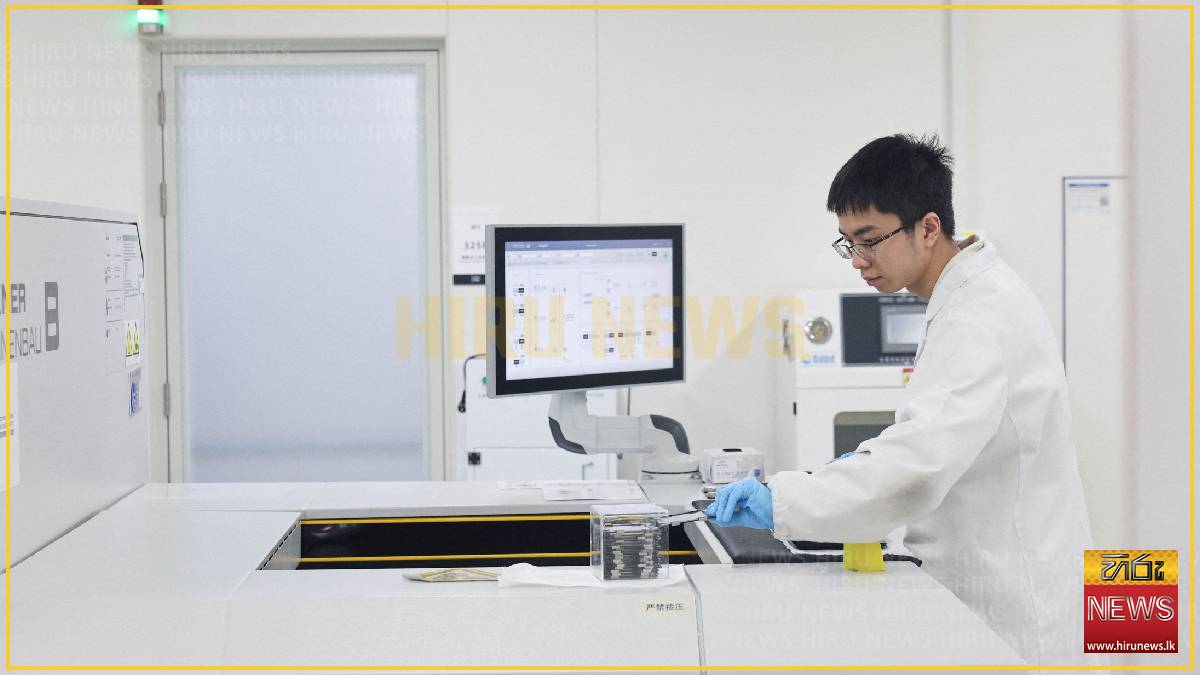
Chinese researchers confirm existence of glueball, a new form of matter
Local
07 August 2026
Scholarship examination on August 09
Local
07 August 2026

Professor Wimal Dissanayake bids adieu
Local
07 August 2026

Katuwellegama Suresh and 61 others named as suspects in Negombo prison clash
Local
07 August 2026

Rosamund Pike visits Sri Lanka’s mine-clearing efforts
Local
07 August 2026

Alpha Tours marks 50-year partnership with Korean Air
Local
07 August 2026

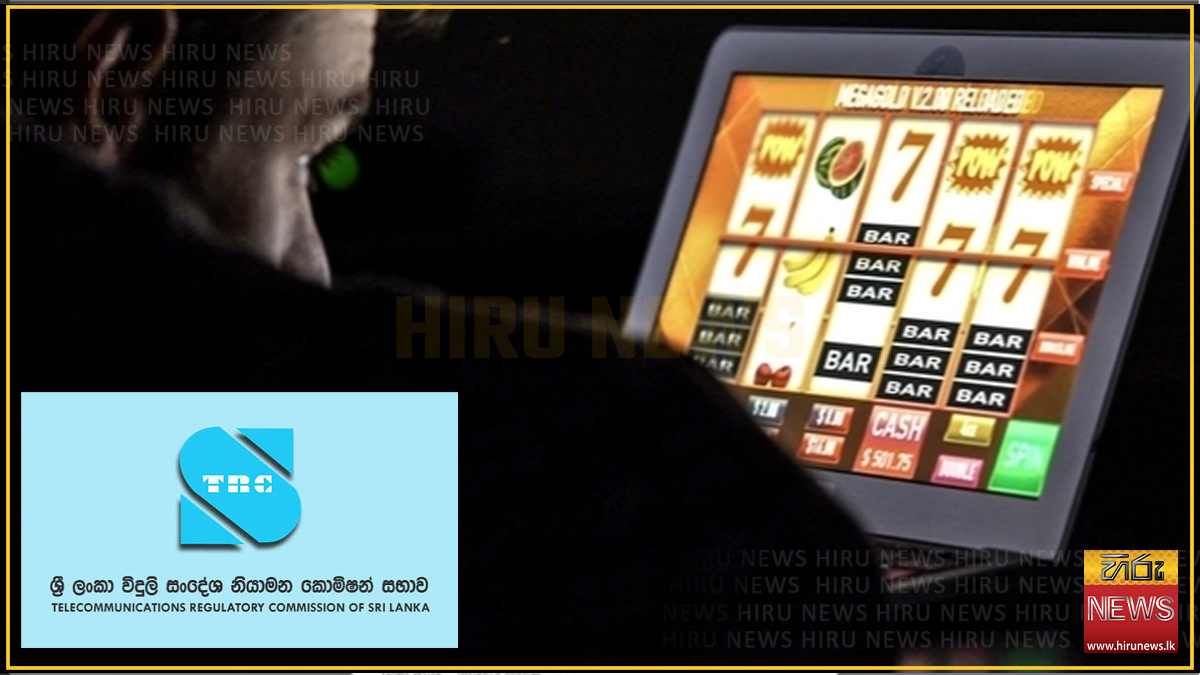
More illegal online gambling websites blocked
Local
07 August 2026
‘The Batman 2’ not being filmed with third movie
Local
07 August 2026

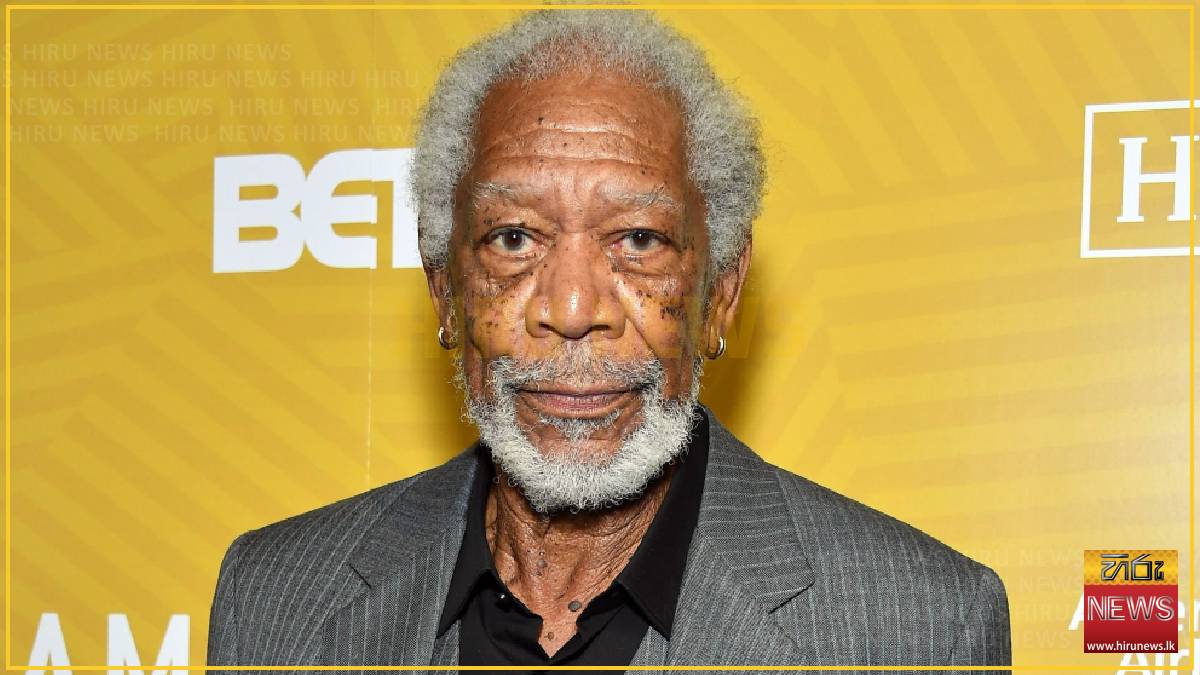
Morgan Freeman on taking roles despite weak scripts
Local
07 August 2026
Backstreet Boys, Korn manager Peter Katsis dies
Local
07 August 2026