Share Post


An import tax relief of Euro 139 million was received by the country in the year 2024 alone through the GSP+ relief provided by the European Union, a new evaluation report of the European Union revealed.
However, the relevant conditions are amended from the year 2027, and that situation will be crucial for Sri Lanka, the report further points out.
The GSP+ relief is a special trade privilege provided by the European Union for developing states. Import taxes payable when exporting local products to countries belonging to the European Union are reduced through this.
The GSP+ special trade privilege programme of the European Union operates in the country under the current mechanism since the year 2017. The main export sectors receiving the highest benefits through the GSP+ relief within the country are apparel, rubber, processed food and beverages, and machinery.
Meanwhile, the European Union evaluation report for the period between 2023 and 2025 was announced by the European Union.
According to the report, the total value of goods imported by countries belonging to the European Union from Sri Lanka in the year 2024 is Euro 2.64 billion.
Out of that, Euro 2.21 billion worth of exports qualified for GSP+ privileges, yet the privilege was utilised only for commodities worth approximately Euro 1.52 billion.
The GSP+ utilisation rate in the year 2024 stood at 68.9%. Accordingly, a capability to derive more benefits through the GSP+ relief further exists for Sri Lanka, the relevant report stated. It is equal to approximately five percent of the export value Sri Lanka performed to the European Union in the year 2024.
However, the European Commission emphasises that it is necessary for Sri Lanka to perform more reforms to continuously maintain the GSP+ qualification according to the amended GSP conditions of the year 2027.
Repealing the Prevention of Terrorism Act, completely changing the Online Safety Act, immediately suspending the death penalty, and providing effective legal protection for religious, ethnic, and sexual minorities are chief among them.
The European Union further points out that using the Prevention of Terrorism Act continuously as a tool for arbitrary detention, the promised amendments for the Online Safety Act still not being completed, police harassment, deaths occurring while in custody, unresolved land disputes in the northern region, and the lack of laws to decriminalise consensual same-sex relationships are considered a serious obstacle. Furthermore, threats including the continuous existence of human-elephant conflicts and deforestation also show continuous weaknesses, it is mentioned.
However, the relevant conditions are amended from the year 2027, and that situation will be crucial for Sri Lanka, the report further points out.
The GSP+ relief is a special trade privilege provided by the European Union for developing states. Import taxes payable when exporting local products to countries belonging to the European Union are reduced through this.
The GSP+ special trade privilege programme of the European Union operates in the country under the current mechanism since the year 2017. The main export sectors receiving the highest benefits through the GSP+ relief within the country are apparel, rubber, processed food and beverages, and machinery.
Meanwhile, the European Union evaluation report for the period between 2023 and 2025 was announced by the European Union.
According to the report, the total value of goods imported by countries belonging to the European Union from Sri Lanka in the year 2024 is Euro 2.64 billion.
Out of that, Euro 2.21 billion worth of exports qualified for GSP+ privileges, yet the privilege was utilised only for commodities worth approximately Euro 1.52 billion.
The GSP+ utilisation rate in the year 2024 stood at 68.9%. Accordingly, a capability to derive more benefits through the GSP+ relief further exists for Sri Lanka, the relevant report stated. It is equal to approximately five percent of the export value Sri Lanka performed to the European Union in the year 2024.
However, the European Commission emphasises that it is necessary for Sri Lanka to perform more reforms to continuously maintain the GSP+ qualification according to the amended GSP conditions of the year 2027.
Repealing the Prevention of Terrorism Act, completely changing the Online Safety Act, immediately suspending the death penalty, and providing effective legal protection for religious, ethnic, and sexual minorities are chief among them.
The European Union further points out that using the Prevention of Terrorism Act continuously as a tool for arbitrary detention, the promised amendments for the Online Safety Act still not being completed, police harassment, deaths occurring while in custody, unresolved land disputes in the northern region, and the lack of laws to decriminalise consensual same-sex relationships are considered a serious obstacle. Furthermore, threats including the continuous existence of human-elephant conflicts and deforestation also show continuous weaknesses, it is mentioned.
Latest News
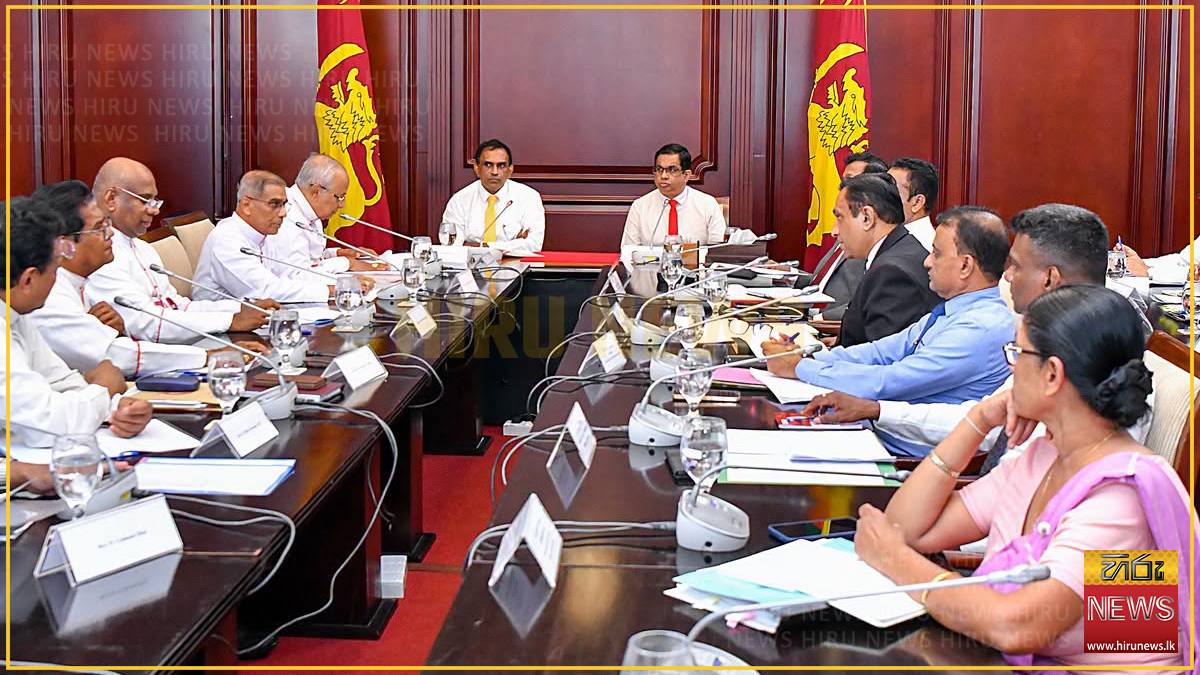
Government, Catholic Church discuss issues affecting Catholic schools
Local
14 August 2026
Six Arab federations back Infantino amid revolt over World Cup plan
Local
14 August 2026

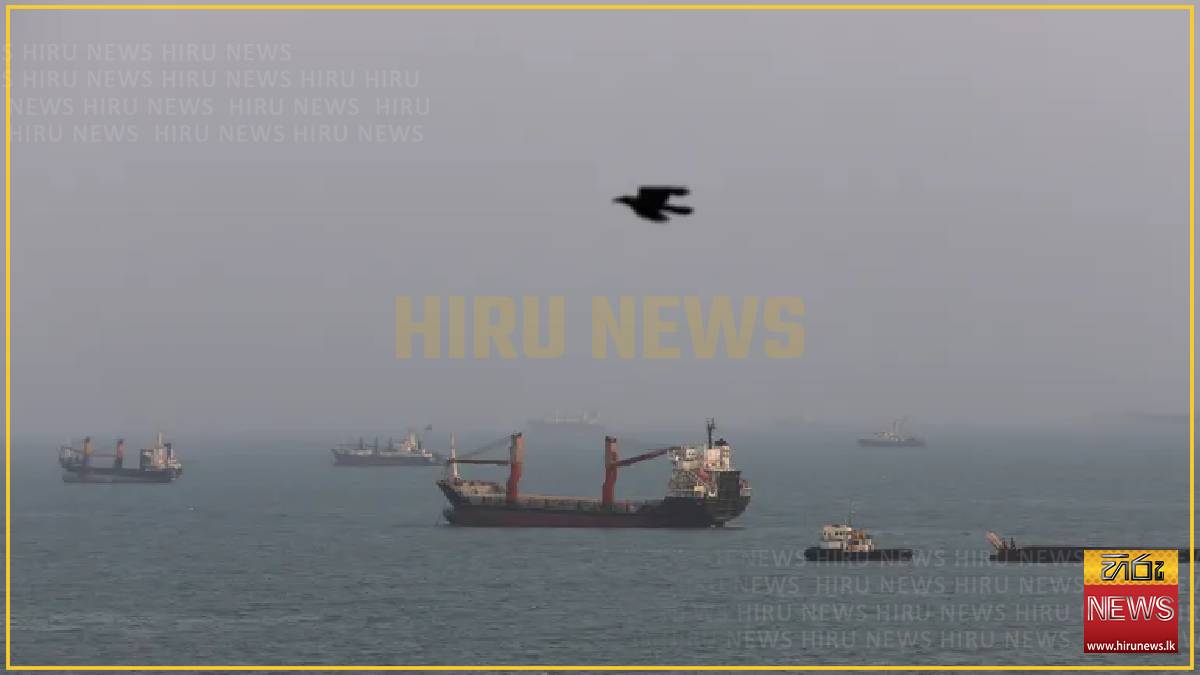
UAE accuses Iran of attacks on two ADNOC vessels in Strait of Hormuz
Local
14 August 2026
Investors sue Selena Gomez for alleged fraud over mental-health start-up
Local
14 August 2026

Woman arrested over alleged drug money assets
Local
14 August 2026

Former boxer Colon dies a decade after suffering brain injury
Local
14 August 2026

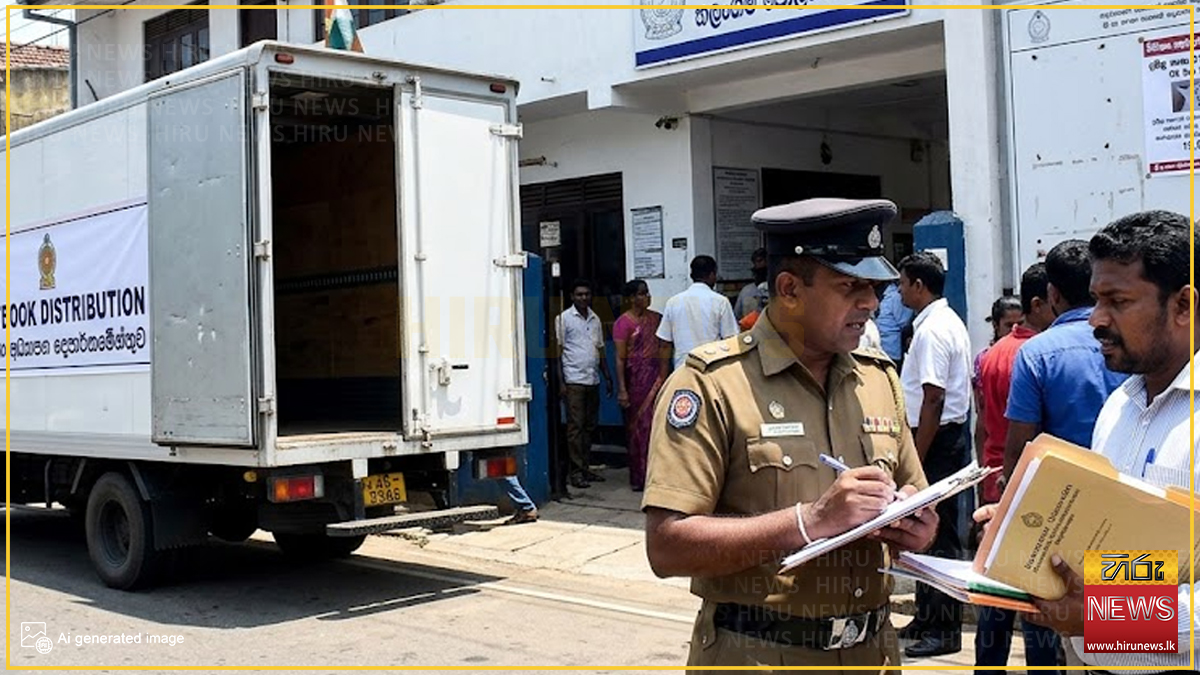
Thalangama police receive complaint over missing Tamil textbooks
Local
14 August 2026
Conditions on US aircraft carrier at sea for more than 250 days raise alarms
Local
14 August 2026

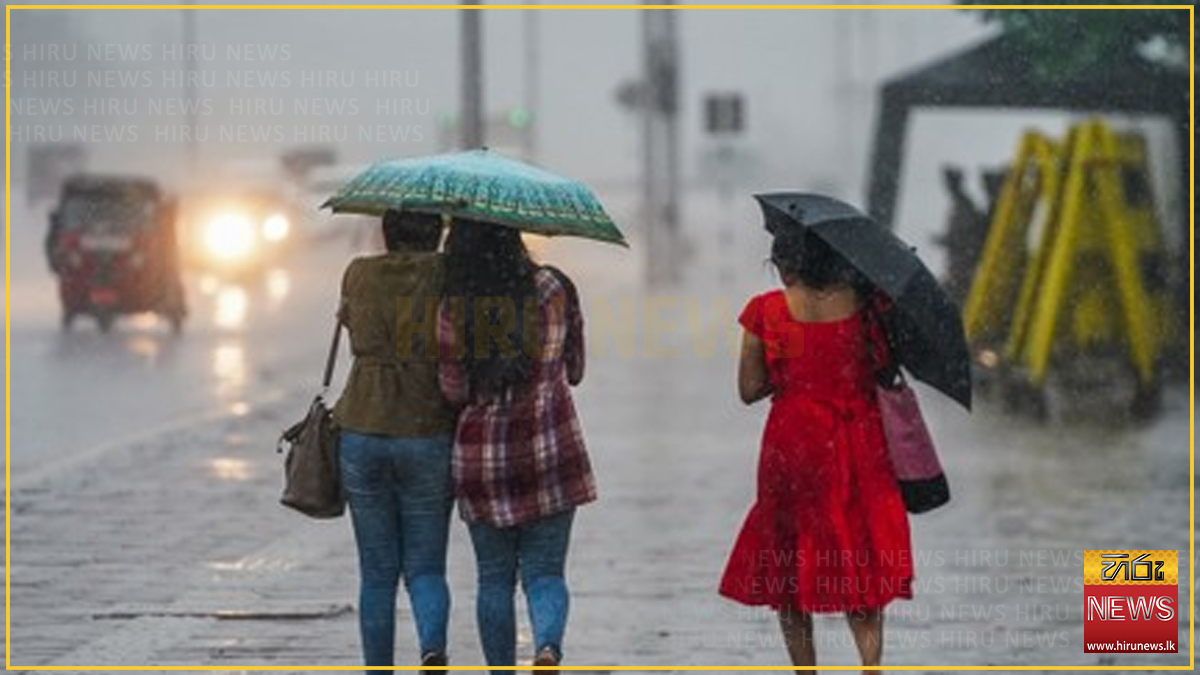
Heavy showers above 75mm forecast in several areas
Local
14 August 2026
More fans are tuning into women’s sports, Nielsen report finds
Local
13 August 2026