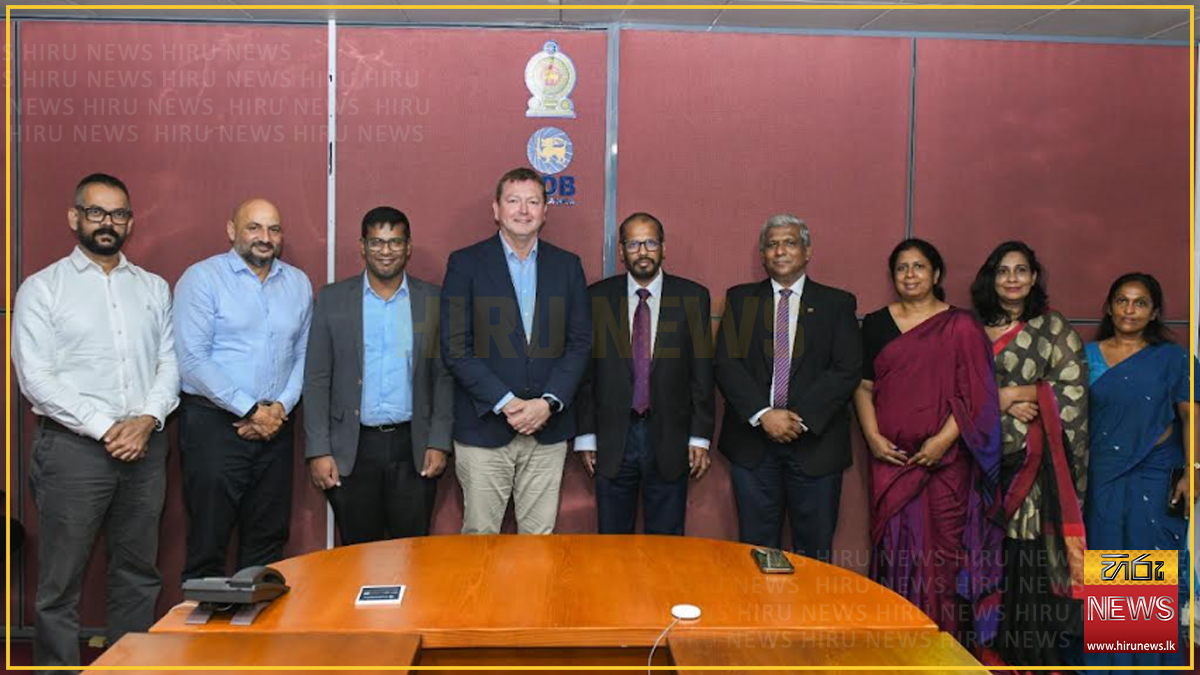


A meeting was recently held between the Sri Lanka Export Development Board (EDB) and European Commission consultants Paul Baker and Talal Rafi to exchange views on the potential impact of the EU-India Free Trade Agreement (FTA) on Sri Lanka’s export sectors.
During the meeting, Yohan Lawrence, Secretary General of the Joint Apparel Association Forum (JAAF), raised concerns over the potential impact of the FTA on Sri Lanka’s apparel exports to the EU.
Particular attention was drawn to the rules of origin and regional cumulation arrangements applicable to fabrics and other inputs sourced from India and subsequently used in garments manufactured in Sri Lanka for export to the EU under GSP+.
Industry representatives cautioned that any restrictions on Sri Lankan apparel manufacturers’ ability to benefit from cumulation arrangements involving Indian-origin inputs could further weaken the competitiveness of the local garment sector at a time when Indian apparel exports are gaining improved tariff access to the European market.
Joining the discussion, European Commission consultant and international trade economist Paul Baker observed that economic projections and long-term modelling indicate that the EU-India FTA could substantially increase India’s exports to the European bloc while also strengthening foreign direct investment flows into India.
Baker and Rafi have been engaged by the European Commission to assess the implications of the landmark trade agreement for Sri Lanka. Lawrence also highlighted the challenges that Sri Lanka’s apparel industry could face once the FTA becomes operational.
Baker therefore encouraged Sri Lankan exporters to reassess their product and market strategies, improve value addition and strengthen compliance with evolving EU sustainability and regulatory standards to remain competitive.
Negotiations on the EU-India FTA were concluded on January 27, 2026, and the agreement is expected to enter into force following the completion of the required legal review, signature and ratification procedures.
The FTA is expected to significantly improve the competitiveness of Indian exports in the European market. Key labour-intensive export sectors, including apparel, marine products, leather and footwear, chemicals, plastics and rubber, sports goods, toys, and gems and jewellery, are expected to benefit from substantial tariff liberalisation, with many products gaining duty-free access once the agreement enters into force.
Addressing the meeting, EDB Chairman Mangala Wijesinghe emphasised the importance of the European Union to Sri Lanka’s export economy, noting that the EU remains Sri Lanka’s second-largest export destination after the United States and accounts for approximately 24% of the country’s merchandise exports.
He noted that while Indian products are expected to become more price-competitive in the EU market following tariff liberalisation, the European Union’s increasing emphasis on sustainability, environmental performance, traceability and regulatory compliance would continue to create opportunities for exporters capable of meeting these requirements.
Latest News
Google Maps will show 'Lake America' in US, not 'Lake Ontario'

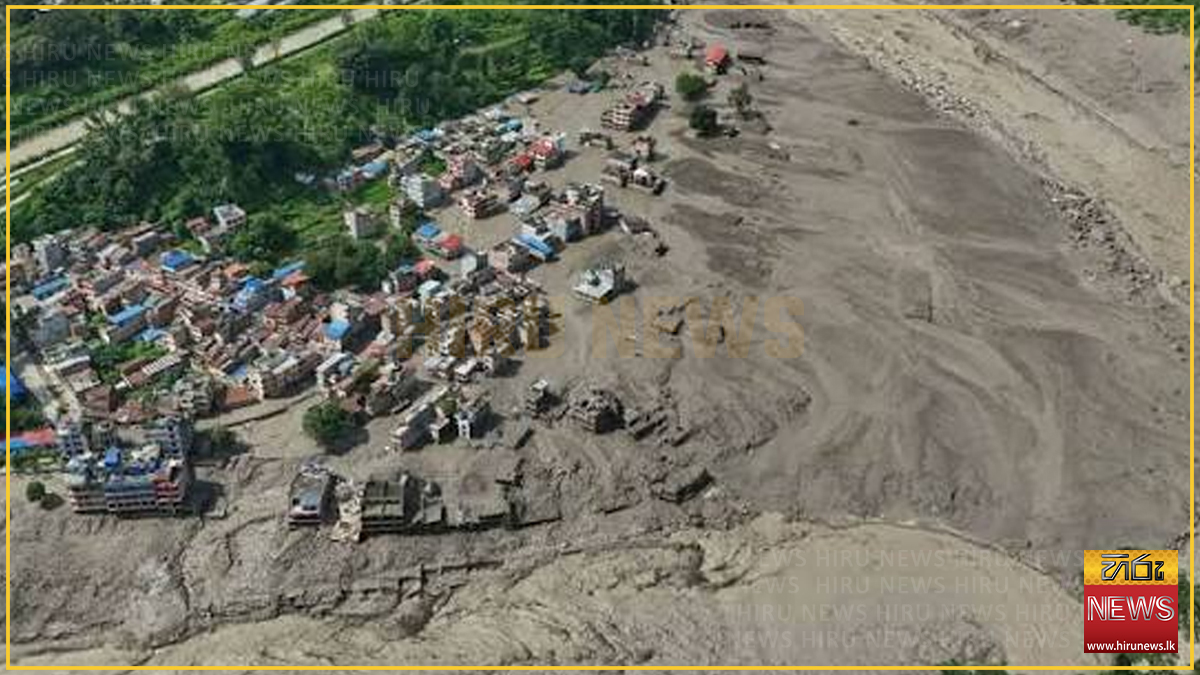
Death toll in Nepal and Tibet floods exceeds 800
Details emerge on alleged crimes linked to Welle Saranga

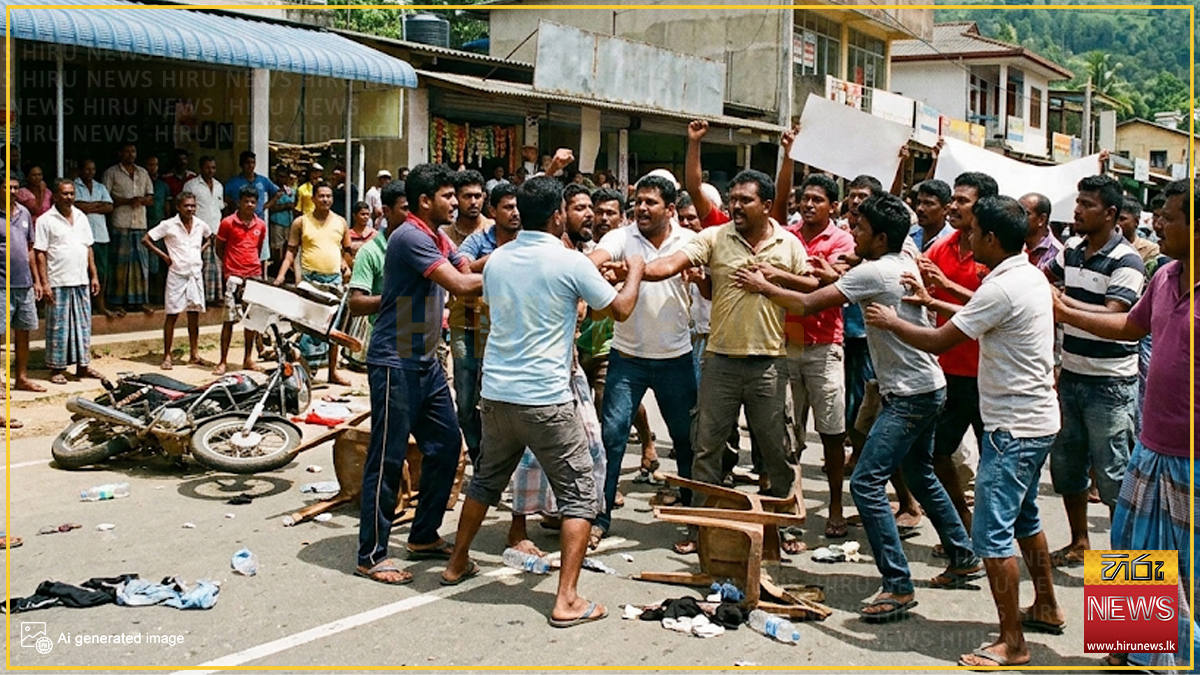
Tension arises between three-wheeler and taxi drivers in Welimada
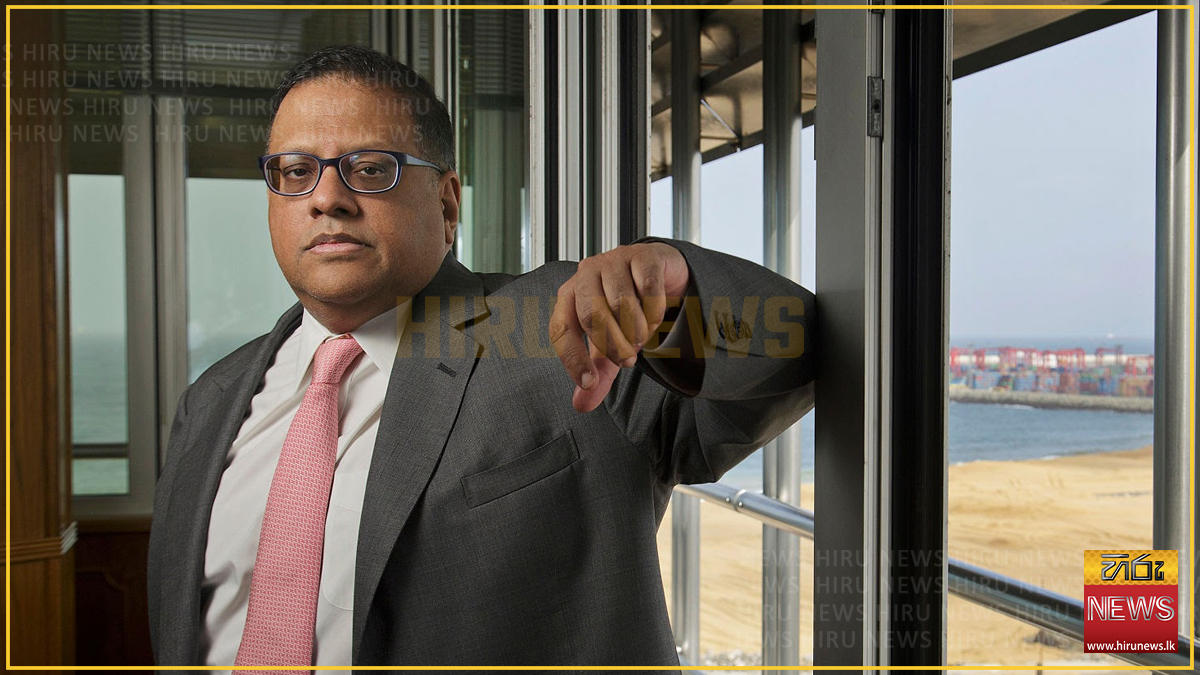
Former Central Bank Governor Arjuna Mahendran denies claim of name change
Sri Lanka loses Women’s Champions Trophy hosting rights: Can the setback still be reversed?

NPP local government member arrested over Nelliady house attack released on police bail

School student killed in road incident on Biyagama - Sapugaskanda road

Lanka Sugar Company to discuss with Labour Department over Sevanagala factory closure
Kirinda police sergeant reported missing