


Share Post


The President says the Vaccination is the final solution to combat Coronavirus & the Government is prepared.
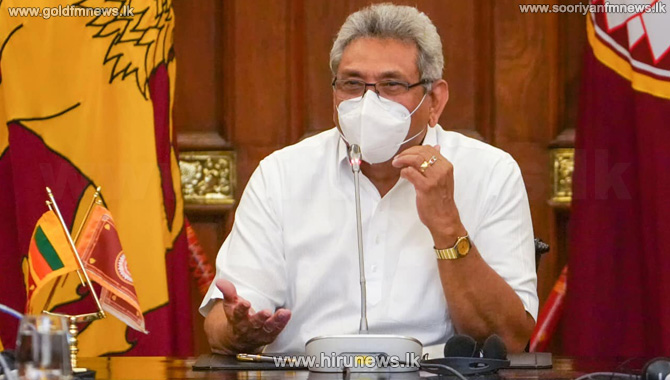
Only a vaccine can end the COVID-19 pandemic. The government has a systematic and strong programme in place to vaccinate the public. President Gotabaya Rajapaksa emphasized that in order to overcome this challenge, the people must strictly follow all the rules and regulations recommended by the health authorities, as they did in the first wave of the COVID-19 epidemic.
The government has made arrangements to import four of the COVID-19 vaccines currently approved by the World Health Organization (WHO) and to be approved in the near future by the WHO.
The first imported AstraZeneca vaccine has been administered to 925,242 people. The second dose of the vaccine is scheduled to be given in the first week of May. The second dose will be given to 356,000 people, including frontline health officials and tri-forces and police officers engaged in the control of COVID-19 epidemic.
The government is now in talks with the rest of the pharmaceutical firms, who produce the AstraZeneca vaccine to meet the remaining demand.
200,000 doses of the Russian made “Sputnik” Covid-19 vaccine will be available by the end of April, while 400,000 doses in May, 800,000 doses in June and 1,200,000 doses in July will be available in the country. The Cabinet approval has already been granted to import 13 million doses of Sputnik vaccine.
Plans already on foot to distribute 600,000 doses of Sinopharm COVID-19 vaccines donated by China to the people of Sri Lanka in the next few weeks with the approval of the World Health Organization.
In addition, the State Pharmaceutical Corporation has already signed the preliminary agreements required for the importation of the Pfizer vaccine and the Government is in the process of importing the vaccine as soon as possible.
The Head of the World Health Organization reiterated in Geneva yesterday (24) that adherence to basic public health guidelines is the backbone of the fight against the spread of COVID-19. Properly wearing a Face Mask, occasional hand washing with soap or hand disinfectants, the practice of social distancing, and avoidance of non-essential events are among the most important.
Some sections of society think that the country should be locked down for some time as a solution to control the spread of the COVID-19 menace. Although such an action may have satisfactory results at the beginning, in the long term it will have extremely detrimental effects on the lives of the people and the economy.
Developing countries such as Sri Lanka cannot take lockdown measures or impose curfews that obstruct the economic activities of the country. The majority of our country’s income earners depend on informal livelihoods. Therefore, while the government is fulfilling its responsibilities, the people must fulfil their respective responsibilities and duties for the betterment of the country as well as themselves.
The head of the World Health Organization (WHO) reiterated in Geneva yesterday (24) that adherence to basic public health guidelines is the backbone of the fight against the spread of covid 19 also said.
Make no mistake, vaccines are a vital and powerful tool. But they are not the only tool. We say this day after day, week after week. And we will keep saying it.
Physical distancing works. Masks work. Hand hygiene works. Ventilation works. Surveillance, testing, contact tracing, isolation, supportive quarantine and compassionate care – they all work to stop infections and save lives. Gatherings should be stopped, parties and festivals will need to be held back.
This disease is not flu. Young, healthy people have died. And we still don’t fully understand the long-term consequences of infection for those who survive.
Many people who have suffered even mild disease report long-term symptoms including fatigue, weakness, “brain fog”, dizziness, tremors, insomnia, depression, anxiety, joint pain, chest tightness and more, which are symptoms of long-COVID.
Confusion and complacency in addressing COVID-19 mean the pandemic is a long way from over, but it can be brought under control in months with proven public health measures, the head of the World Health Organization has said.
“We, too, want to see societies and economies reopening, and travel and trade resuming,” WHO Director-General Tedros Adhanom Ghebreyesus told a news briefing on Monday.
The WHO team leader on COVID-19, Maria Van Kerkhove, told the news briefing the pandemic was growing exponentially, with a nine percent increase in cases last week, the seventh consecutive week of increases, and a five percent rise in deaths.
https://www.hirunews.lk/english/269340/sri-lanka-on-alert-level-3-circular-on-activities-and-permitted-functions-issued-dr-sudarshani-fernandopulle
Only a vaccine can end the COVID-19 pandemic. The government has a systematic and strong programme in place to vaccinate the public. President Gotabaya Rajapaksa emphasized that in order to overcome this challenge, the people must strictly follow all the rules and regulations recommended by the health authorities, as they did in the first wave of the COVID-19 epidemic.
The government has made arrangements to import four of the COVID-19 vaccines currently approved by the World Health Organization (WHO) and to be approved in the near future by the WHO.
The first imported AstraZeneca vaccine has been administered to 925,242 people. The second dose of the vaccine is scheduled to be given in the first week of May. The second dose will be given to 356,000 people, including frontline health officials and tri-forces and police officers engaged in the control of COVID-19 epidemic.
The government is now in talks with the rest of the pharmaceutical firms, who produce the AstraZeneca vaccine to meet the remaining demand.
200,000 doses of the Russian made “Sputnik” Covid-19 vaccine will be available by the end of April, while 400,000 doses in May, 800,000 doses in June and 1,200,000 doses in July will be available in the country. The Cabinet approval has already been granted to import 13 million doses of Sputnik vaccine.
Plans already on foot to distribute 600,000 doses of Sinopharm COVID-19 vaccines donated by China to the people of Sri Lanka in the next few weeks with the approval of the World Health Organization.
In addition, the State Pharmaceutical Corporation has already signed the preliminary agreements required for the importation of the Pfizer vaccine and the Government is in the process of importing the vaccine as soon as possible.
The Head of the World Health Organization reiterated in Geneva yesterday (24) that adherence to basic public health guidelines is the backbone of the fight against the spread of COVID-19. Properly wearing a Face Mask, occasional hand washing with soap or hand disinfectants, the practice of social distancing, and avoidance of non-essential events are among the most important.
Some sections of society think that the country should be locked down for some time as a solution to control the spread of the COVID-19 menace. Although such an action may have satisfactory results at the beginning, in the long term it will have extremely detrimental effects on the lives of the people and the economy.
Developing countries such as Sri Lanka cannot take lockdown measures or impose curfews that obstruct the economic activities of the country. The majority of our country’s income earners depend on informal livelihoods. Therefore, while the government is fulfilling its responsibilities, the people must fulfil their respective responsibilities and duties for the betterment of the country as well as themselves.
The head of the World Health Organization (WHO) reiterated in Geneva yesterday (24) that adherence to basic public health guidelines is the backbone of the fight against the spread of covid 19 also said.
Make no mistake, vaccines are a vital and powerful tool. But they are not the only tool. We say this day after day, week after week. And we will keep saying it.
Physical distancing works. Masks work. Hand hygiene works. Ventilation works. Surveillance, testing, contact tracing, isolation, supportive quarantine and compassionate care – they all work to stop infections and save lives. Gatherings should be stopped, parties and festivals will need to be held back.
This disease is not flu. Young, healthy people have died. And we still don’t fully understand the long-term consequences of infection for those who survive.
Many people who have suffered even mild disease report long-term symptoms including fatigue, weakness, “brain fog”, dizziness, tremors, insomnia, depression, anxiety, joint pain, chest tightness and more, which are symptoms of long-COVID.
Confusion and complacency in addressing COVID-19 mean the pandemic is a long way from over, but it can be brought under control in months with proven public health measures, the head of the World Health Organization has said.
“We, too, want to see societies and economies reopening, and travel and trade resuming,” WHO Director-General Tedros Adhanom Ghebreyesus told a news briefing on Monday.
The WHO team leader on COVID-19, Maria Van Kerkhove, told the news briefing the pandemic was growing exponentially, with a nine percent increase in cases last week, the seventh consecutive week of increases, and a five percent rise in deaths.
https://www.hirunews.lk/english/269340/sri-lanka-on-alert-level-3-circular-on-activities-and-permitted-functions-issued-dr-sudarshani-fernandopulle
Latest News
Sri Lanka loses Women’s Champions Trophy hosting rights: Can the setback still be reversed?
Local
30 August 2026

Kirinda police sergeant reported missing
Local
30 August 2026
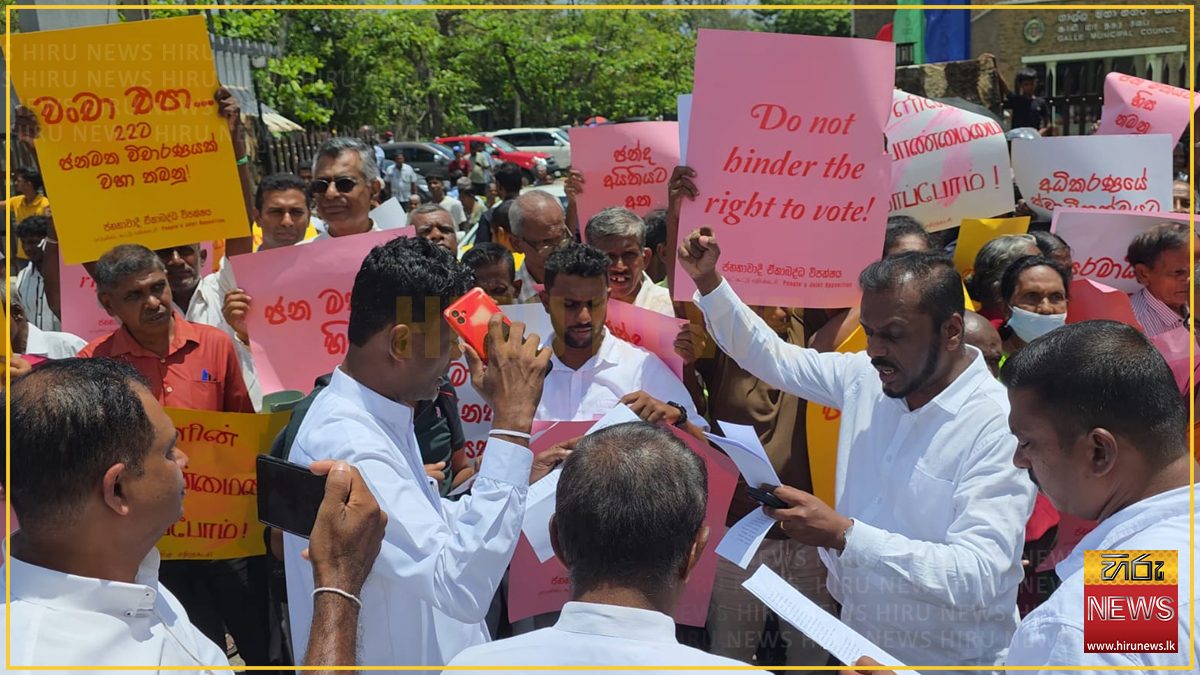
Protest held in Galle demanding referendum on 22nd Constitutional Amendment
Local
30 August 2026
Manhunt after shooting at Swiss rave kills woman, 22, and injures five
Local
30 August 2026

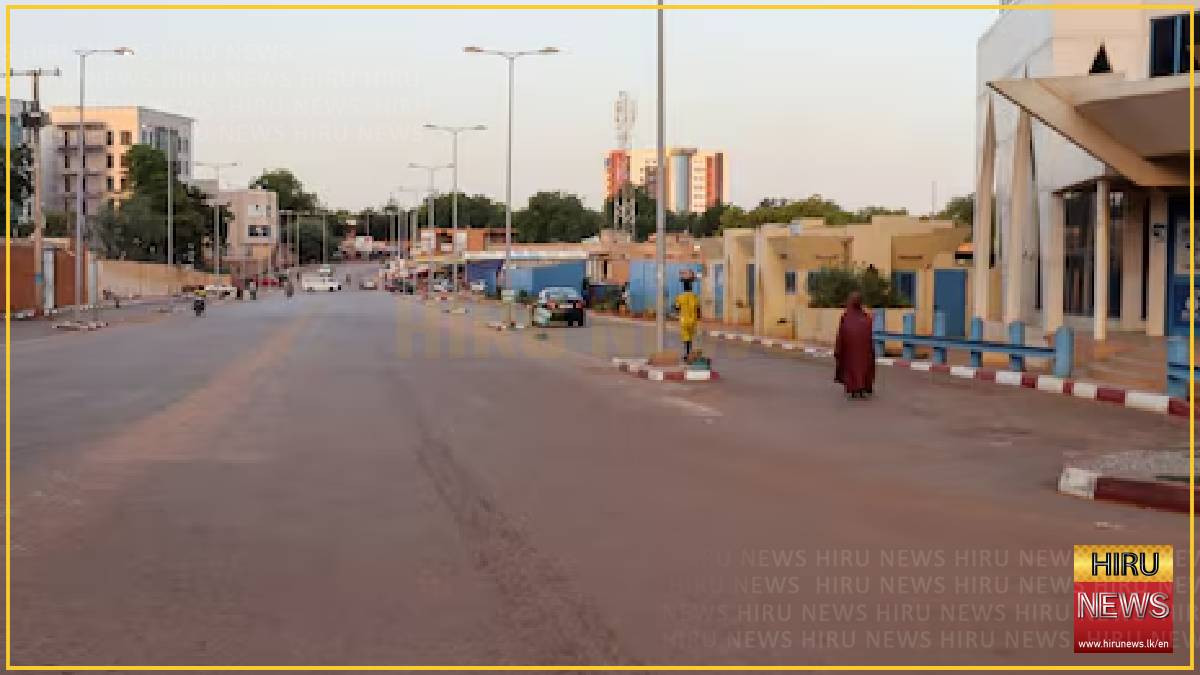
Niger says it regains control of airbase after soldiers mutiny
Local
30 August 2026
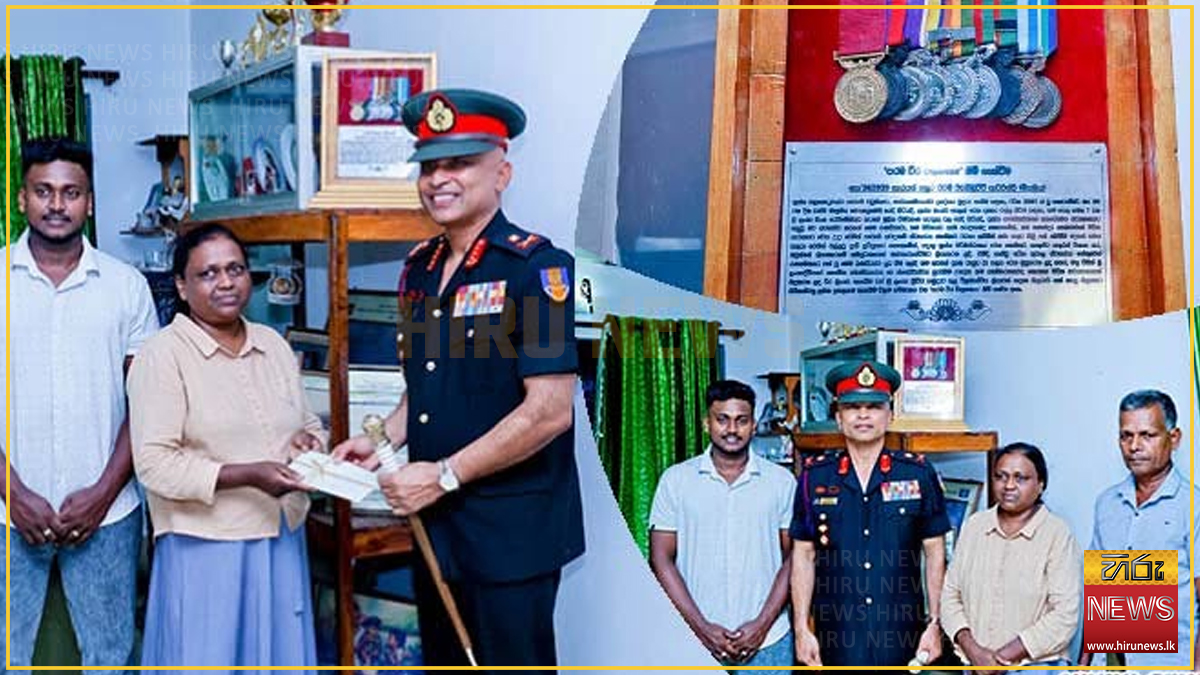
Army Commander visits family of Parama Weera Vibhushanaya recipient Sergeant A. M. Anura
Local
30 August 2026
Severed human head found near riverbank in Moratumulla
Local
30 August 2026
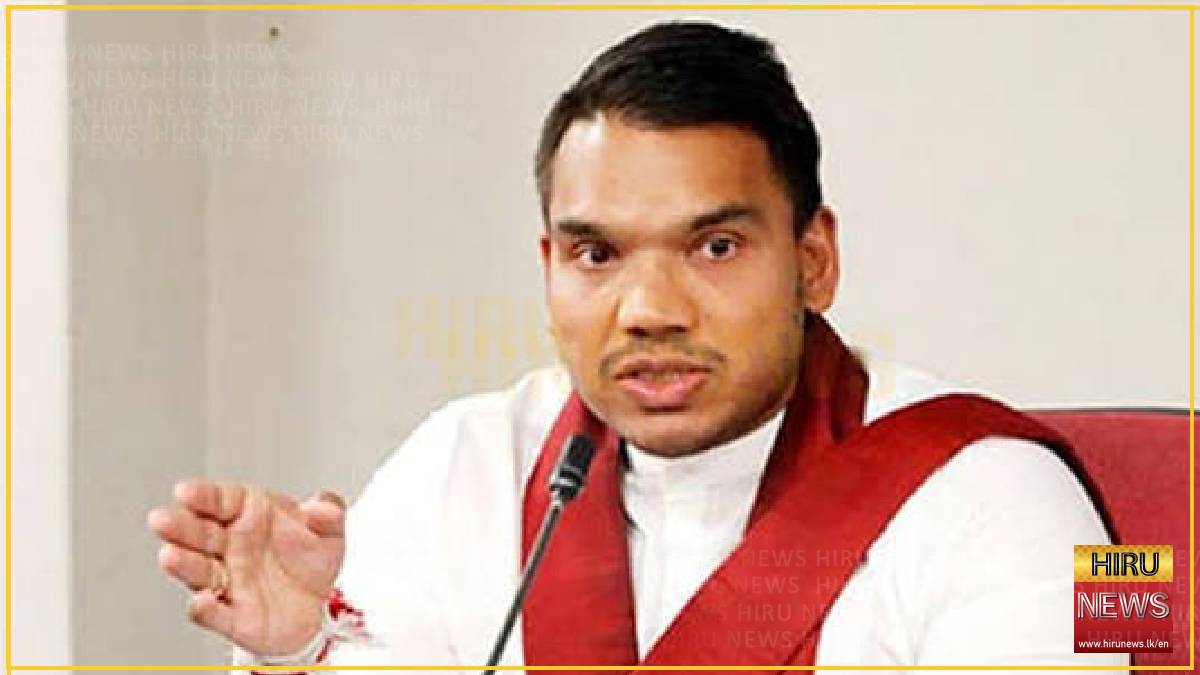
Political opponents now forced to accept necessity of past development projects, says Namal Rajapaksa
Local
30 August 2026
Police issue strict directives on loudspeaker use and noise pollution
Local
30 August 2026

33 arrested in joint operations against illegal fishing
Local
30 August 2026