Share Post


Even though Sri Lanka has the potential to harness solar power, a major barrier remains: the limited availability of land for large-scale projects.
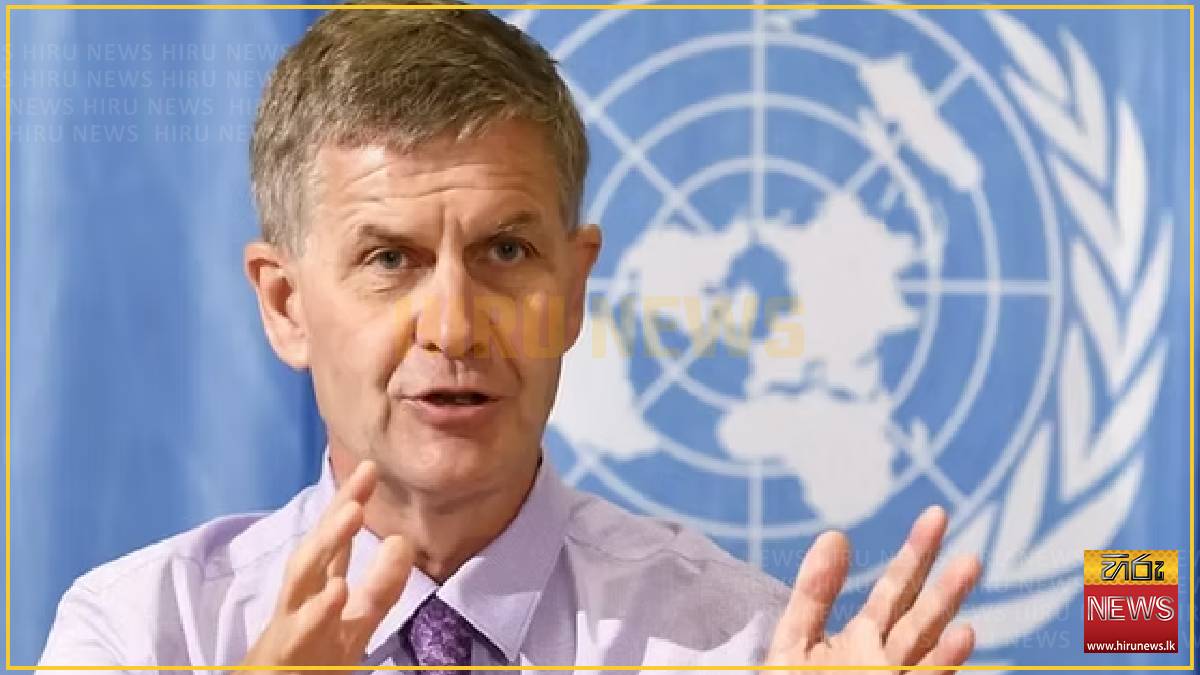
This was highlighted by Erik Solheim, former advisor on climate change to President Ranil Wickremesinghe, during a lecture titled Renewable Energy in the Indian Ocean, organised by the think tank Geopolitical Cartographer.
Solheim emphasised that Sri Lanka must adopt innovative solutions to overcome this hurdle, drawing lessons from other countries.
This was highlighted by Erik Solheim, former advisor on climate change to President Ranil Wickremesinghe, during a lecture titled Renewable Energy in the Indian Ocean, organised by the think tank Geopolitical Cartographer.
Solheim emphasised that Sri Lanka must adopt innovative solutions to overcome this hurdle, drawing lessons from other countries.
Solar: the dominant energy source of the 21st century
“Solar will be the dominant energy source in the 21st century. There is no doubt. But it will be solar with wind, with a hydro-powerless battery; there may be more nuclear, there may be a different variety of energies, but solar will be the dominant,” Solheim explained.
He noted that large solar farms require extensive land, giving examples from India and China:
“In India, they are in Gujarat and Rajasthan, states with a lot of land, and in China, they are in the western part where there is not a big population but lots of land. Some of them are as big as the ocean. As I’m aware, there is no place in Sri Lanka where you can make solar farms of that size. There are simply too many people around and too little land to do that.”
Innovative approaches for Sri Lanka
Despite the land constraints, Solheim said smaller, creative solutions could still work:
“There are many opportunities to make smaller solar farms in all available unused land in the countryside. Solar panels on the roofs to do agri-solar, meaning that you combine agriculture with solar. You put the solar panels in the farmland. Sometimes it’s better because you don’t get the direct sunlight, but you get the same temperature. This is done now more and more in China, and Sri Lanka and other nations should look into how this can be done.”
Public awareness is key
Solheim stressed that public engagement is critical when developing renewable energy infrastructure. Without it, projects may face strong opposition.
“Speaking to the local people is critical, because otherwise you will get uproar. Sri Lanka had a lot of protests in Mannar against wind farms. I went there and spoke to a good number of the people. A lot of the claims which were made by those who opposed the wind farms were, of course, completely ridiculous. Like that, this will harm the fisheries. I’m not aware that wind farms at sea have harmed fisheries anywhere in the world. That was the concept of the people. Maybe because people have not had too many conversations with them. Maybe taking some fishermen to see some offshore windmills in other parts of the world to make certain that people can be confident there will be no effect on the fisheries. It’s helpful.”
Solheim’s insights highlight both the challenges and opportunities for renewable energy in Sri Lanka.
While land scarcity limits large-scale solar farms, innovative solutions like rooftop solar and agri-solar can make a meaningful impact. At the same time, involving local communities and ensuring tangible benefits are crucial for long-term success.
“Solar will be the dominant energy source in the 21st century. There is no doubt. But it will be solar with wind, with a hydro-powerless battery; there may be more nuclear, there may be a different variety of energies, but solar will be the dominant,” Solheim explained.
He noted that large solar farms require extensive land, giving examples from India and China:
“In India, they are in Gujarat and Rajasthan, states with a lot of land, and in China, they are in the western part where there is not a big population but lots of land. Some of them are as big as the ocean. As I’m aware, there is no place in Sri Lanka where you can make solar farms of that size. There are simply too many people around and too little land to do that.”
Innovative approaches for Sri Lanka
Despite the land constraints, Solheim said smaller, creative solutions could still work:
“There are many opportunities to make smaller solar farms in all available unused land in the countryside. Solar panels on the roofs to do agri-solar, meaning that you combine agriculture with solar. You put the solar panels in the farmland. Sometimes it’s better because you don’t get the direct sunlight, but you get the same temperature. This is done now more and more in China, and Sri Lanka and other nations should look into how this can be done.”
Public awareness is key
Solheim stressed that public engagement is critical when developing renewable energy infrastructure. Without it, projects may face strong opposition.
“Speaking to the local people is critical, because otherwise you will get uproar. Sri Lanka had a lot of protests in Mannar against wind farms. I went there and spoke to a good number of the people. A lot of the claims which were made by those who opposed the wind farms were, of course, completely ridiculous. Like that, this will harm the fisheries. I’m not aware that wind farms at sea have harmed fisheries anywhere in the world. That was the concept of the people. Maybe because people have not had too many conversations with them. Maybe taking some fishermen to see some offshore windmills in other parts of the world to make certain that people can be confident there will be no effect on the fisheries. It’s helpful.”
Solheim’s insights highlight both the challenges and opportunities for renewable energy in Sri Lanka.
While land scarcity limits large-scale solar farms, innovative solutions like rooftop solar and agri-solar can make a meaningful impact. At the same time, involving local communities and ensuring tangible benefits are crucial for long-term success.
Latest News
US Supreme Court to hear Apple appeal in Epic Games case
Local
30 June 2026

Lebanese flood back home, many still stranded
Local
30 June 2026

US Supreme Court to rule on state-level assault weapon bans
Local
30 June 2026

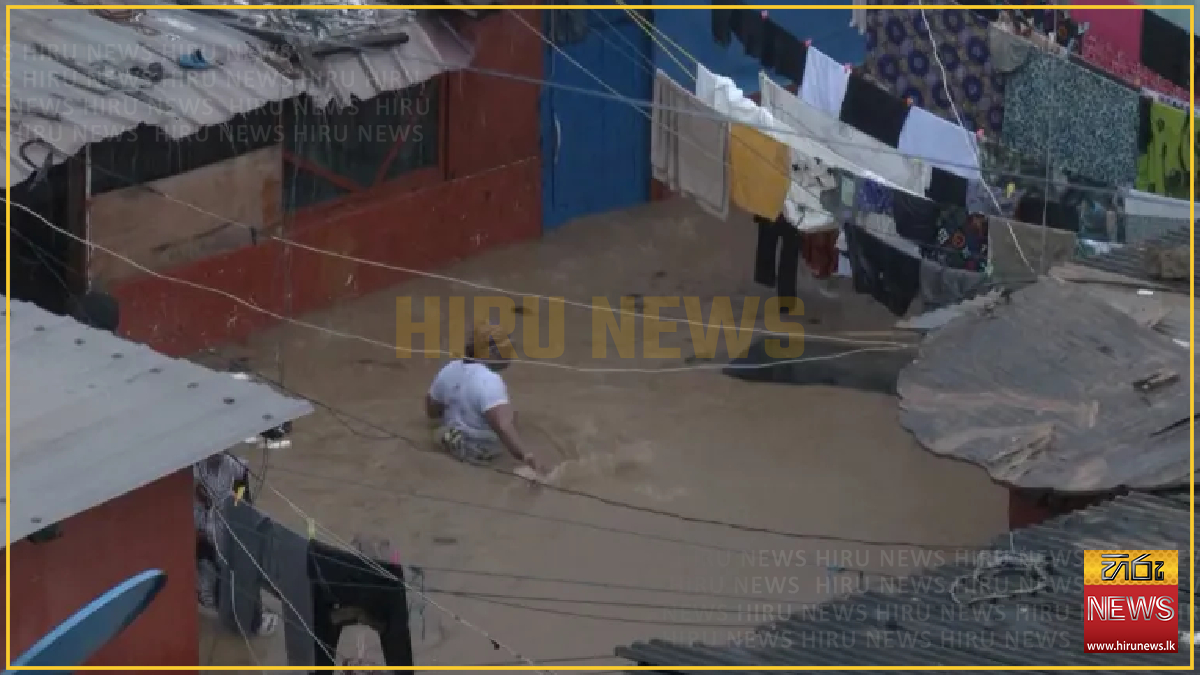
Heavy rainfall kills dozens in Ghana and Ivory Coast
Local
30 June 2026
Former NBA stars Beasley and Davis face gambling charges
Local
30 June 2026

No more phone numbers? WhatsApp eyes username rollout
Local
30 June 2026

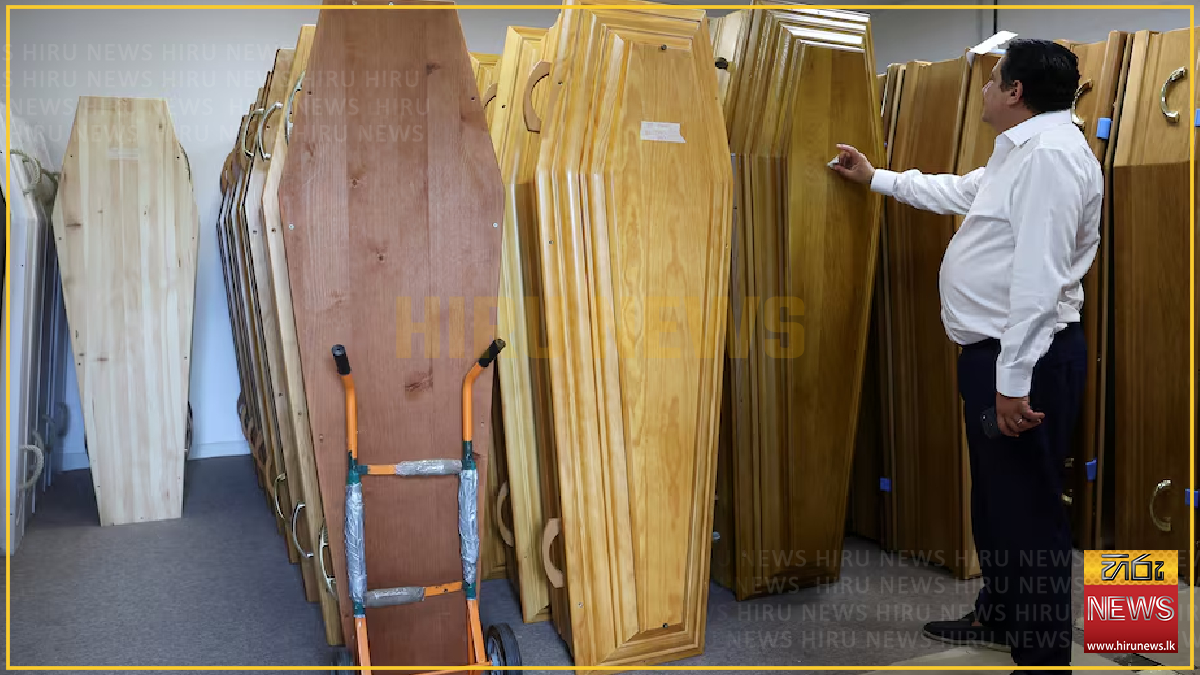
Funeral home overrun as France heatwave deaths rise
Local
30 June 2026
US security chief ‘Did a Happy Dance’ after Iran exit
Local
30 June 2026

US Supreme Court rejects Trump birthright citizenship bid
Local
30 June 2026

Autobrains targets Europe’s robotaxi boom
Local
30 June 2026