


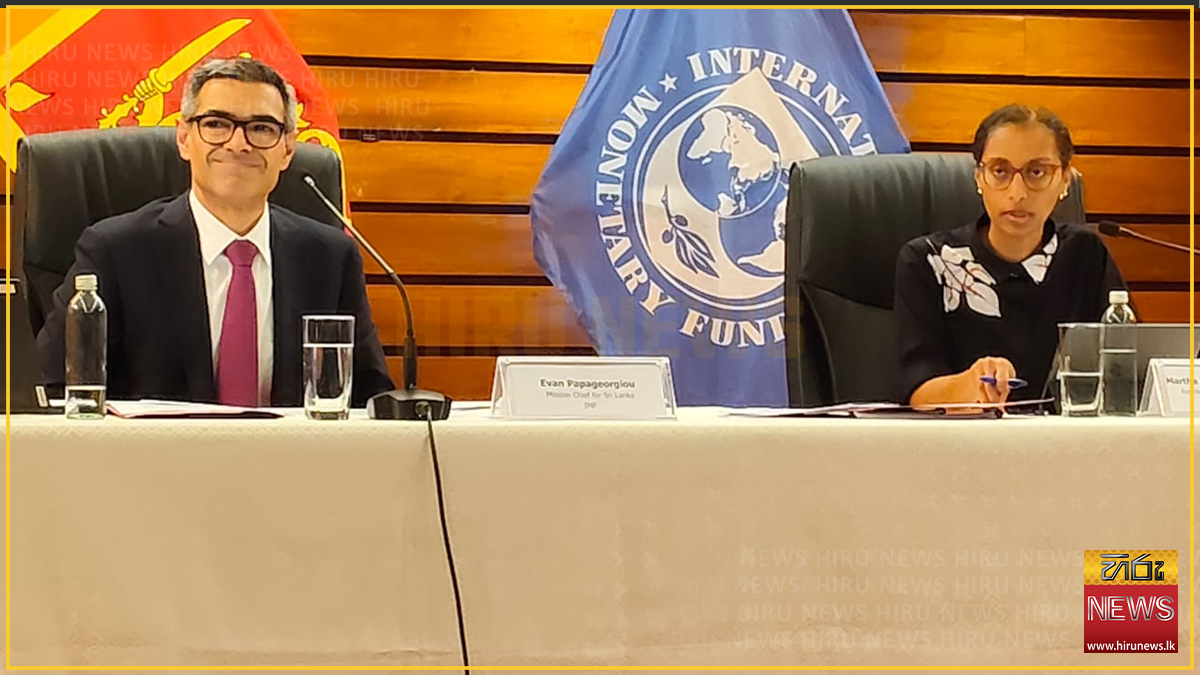


Sri Lanka is expected to receive the combined fifth and sixth tranches of the International Monetary Fund (IMF) programme, totaling around USD 700 million, by mid-May or early June 2026 under its four-year Extended Fund Facility (EFF) arrangement, IMF Mission Chief Evan Papageorgiou said.
“Upon completion of the Executive Board review, Sri Lanka would have access to about USD 700 million, bringing total IMF financial support disbursed under this arrangement to approximately USD 2.4 billion,” he noted.
He highlighted that Sri Lanka’s reform programme continues to deliver positive outcomes, with the economy growing by 5% year-on-year in 2025. Inflation has returned to positive territory, reaching 2.2% year-on-year in March, while gross official reserves rose to USD 7 billion by end-March 2026.
However, Papageorgiou cautioned that Sri Lanka remains significantly exposed to external shocks, particularly the ongoing Middle East conflict, which has driven up energy prices, disrupted a key air travel hub for tourists, and impacted Sri Lankans employed in the region. He said authorities have mitigated some of these disruptions by ensuring adequate fuel supplies for households and industries.
He also pointed to additional pressures stemming from infrastructure damage and spending needs following Cyclone Ditwah. These risks, alongside global trade uncertainties, underscore the urgency of accelerating reforms to safeguard macroeconomic stability and strengthen resilience.
Papageorgiou stressed the importance of building fiscal space through stronger revenue measures and prudent expenditure management. This includes improving tax compliance, broadening the tax base, addressing revenue leakages, and strengthening public financial management. Maintaining cost-reflective fuel and electricity pricing, while protecting vulnerable groups, remains critical.
He further emphasised the need to strengthen social safety nets to better support low-income groups through improved targeting, coverage, adequacy, and responsiveness to shocks.
On monetary policy, he underscored the importance of preserving central bank independence, including maintaining the prohibition on monetary financing of the budget. Rebuilding foreign reserves while allowing exchange rate flexibility was also identified as essential amid global uncertainty.
Strengthening financial sector stability by resolving non-performing loans, supporting sustainable credit growth, and addressing vulnerabilities in smaller licensed finance companies was also highlighted.
Looking ahead, Papageorgiou noted that unlocking strong and durable growth will require sustained reform efforts, including advancing trade liberalisation, accelerating digitalisation, streamlining business regulations, and modernising labour laws to reduce rigidities. (shirajiv)
Latest News
Kostyuk beats Andreeva to win Madrid Open

DeVaux makes history with Kentucky Derby victory

Kenya battles to stop the 'goons and guns' as fears of political violence grow
Seoul holds 'Power Nap Contest' in sleep-deprived South Korea

Russia's Primorsk port hit as Ukraine launches wave of drone strikes
President’s silence on Treasury scandal raises concerns
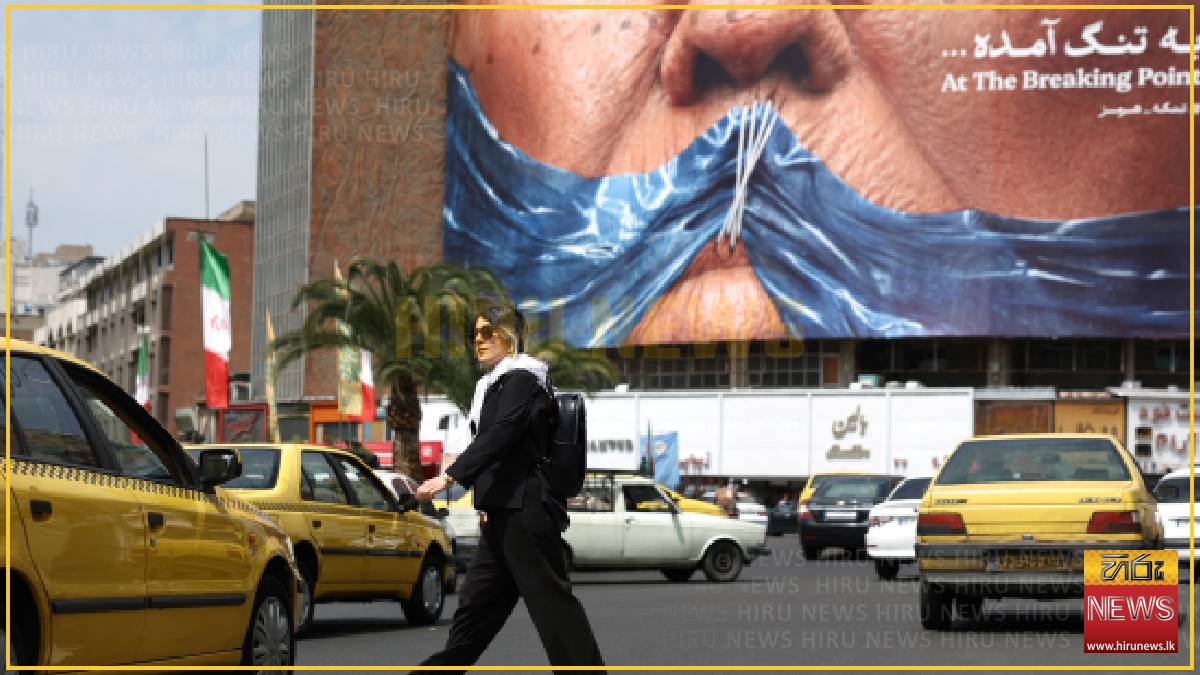
Iran executes man convicted over killing of security officer
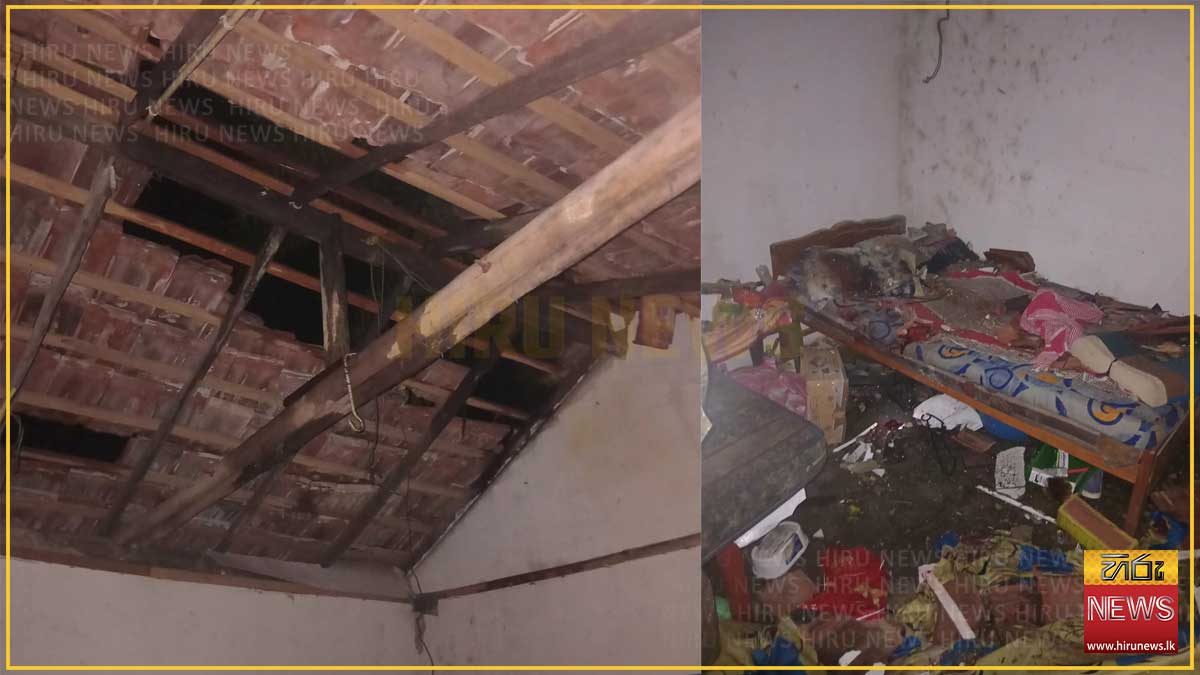
Lightning strike in Habaraduwa leaves one dead
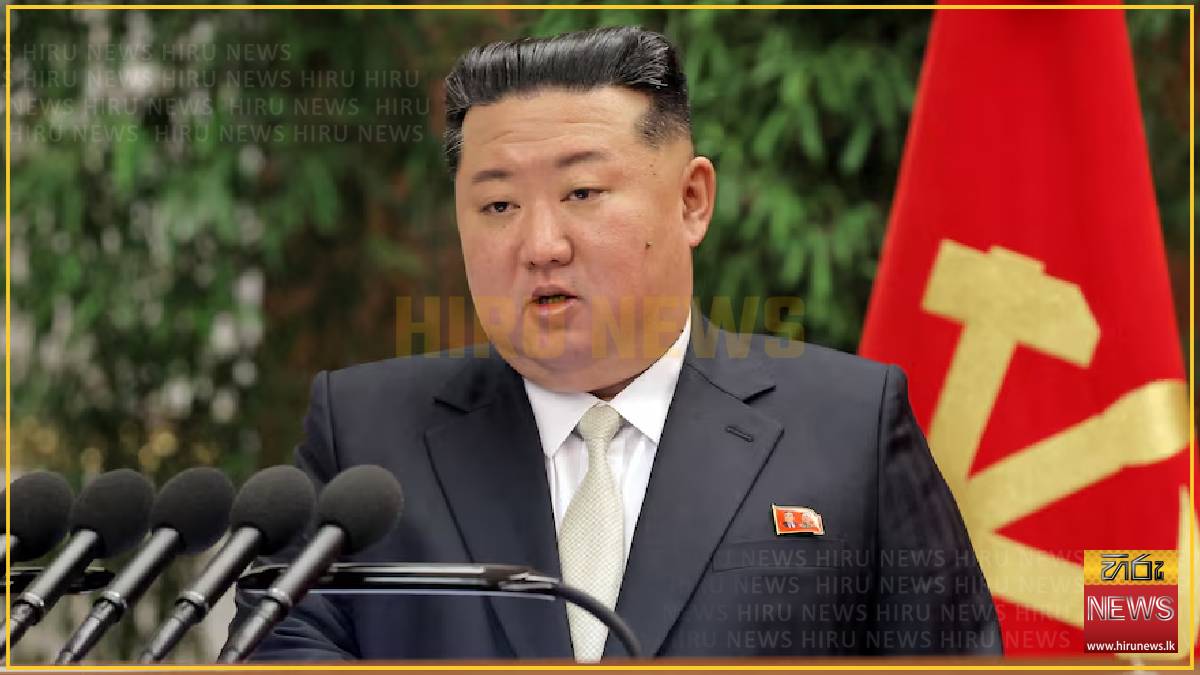
North Korea's Kim casts youth as vanguard of state goals amid Russia war
SAG-AFTRA reaches deal on studio contract