


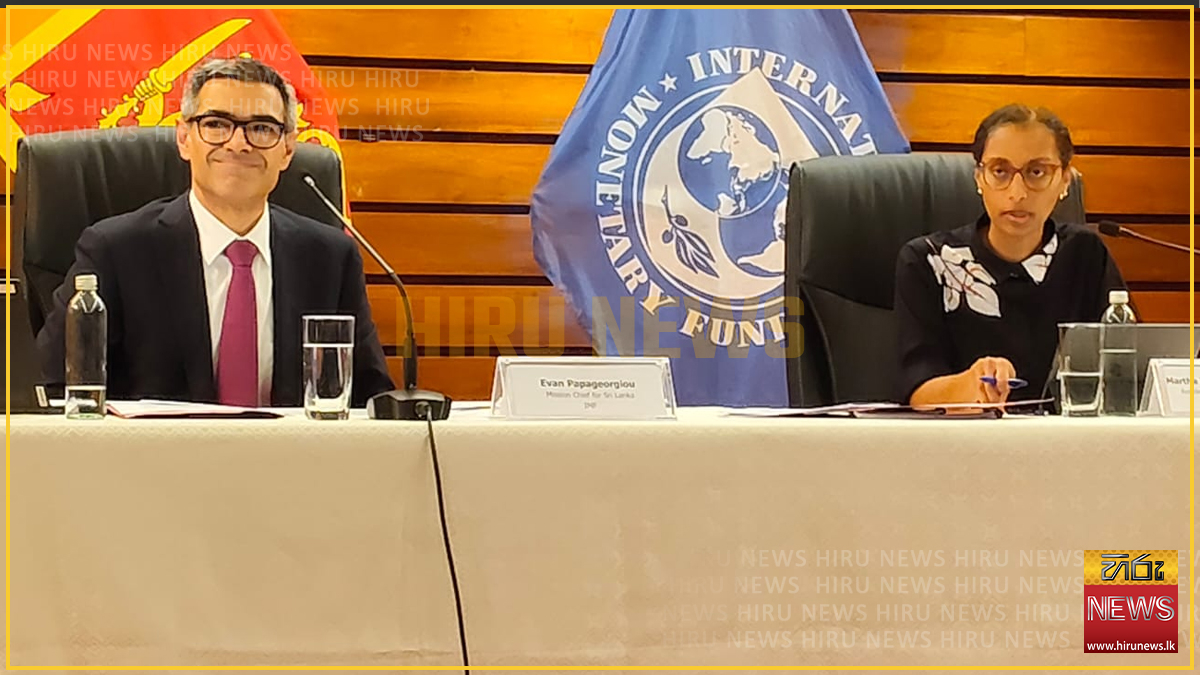


Sri Lanka could access around $700 million in fresh financing from the International Monetary Fund (IMF) after the fund’s Executive Board approves the 5th and 6th reviews of its Extended Fund Facility (EFF) programme, the IMF mission said on Tuesday.
The approval, however, is contingent on restoring cost-recovery pricing for electricity and fuel while protecting vulnerable households, as well as completing a review of financing assurances.
With this tranche, total disbursements under the $3 billion EFF arrangement will reach roughly $2.4 billion.
Speaking in Colombo, IMF Senior Mission Chief Evan Papageorgiou briefed the media on key aspects of the programme and the Sri Lankan economy.
“Ensuring that electricity tariffs reflect the true cost of supply is essential for preserving fiscal sustainability and preventing the NSO, or the new CEB, from accumulating losses that could become a burden on public finances,” Papageorgiou said.
“In general, cost recovery in the electricity sector helps reduce the need for government intervention in the future, which can be very costly and may create adverse reactions and negative feedback loops across the entire economy. At the same time, it enables better investment and greater predictability in infrastructure, ultimately leading to improved service quality.”
He also commented on the recent 11% electricity tariff hike by the Public Utilities Commission of Sri Lanka.
“When we read the announcement, we understand that the PUCSL considered part of the losses incurred by the CEB in the first quarter. As you may recall, there was no announcement for the first quarter due to technical difficulties and other issues. As a result, the CEB continued operating under the previous tariff without any adjustment for Q1, which led to certain losses. Since the CEB’s submission for the Q2 tariff was made well before the conflict in the Middle East and the subsequent escalation, the assumptions regarding oil prices were not accurately reflected. Therefore, there is a need for a new submission, as the previous one did not take these updated assumptions into account. In addition, the dispatch policy, as well as the energy and fuel mix assumed by the CEB for electricity generation, must be updated, as these are also critical components. When the new announcement is made, we will take all these factors into consideration in evaluating how electricity cost recovery can be achieved.” he said.
Papageorgiou also addressed the rising costs of electricity generation caused by substandard coal imports.
“Part of the reason why the CEB’s production costs increased was due to the quality of coal procured and its impact on efficient electricity generation. A very important issue is ensuring that fuel supply agreements are properly in place. All generation companies, as well as the insuring companies resulting from the CEB unbundling, are operating under well-defined arrangements.”
The IMF mission welcomed government efforts to protect vulnerable households through targeted subsidies.
“When a new tariff determination is issued, there is differentiation based on household consumption levels. Lifeline consumers, and those who consume relatively small amounts—up to around 90 kilowatt-hours per month—receive a smaller increase in tariffs. Larger households, industries, and other high-consumption users face higher increases,” Papageorgiou said.
He noted that the government’s recently announced Rs.100 billion relief package follows the same principle.
“Everyone is affected, but the impact is felt less by those who are more vulnerable. This approach aims to support those who need it most. Other support measures, including fertiliser support for small farmers, assistance to the fisheries industry, and the Aswesuma social support top-up, are also included.”
On the banking sector, Papageorgiou highlighted progress in addressing non-performing loans (NPLs).
“NPLs have remained elevated for quite some time. Commercial banks have taken positive steps to address and reduce them. We would like to see the NPL rate brought firmly into the single-digit range. Recovery efforts are ongoing, with banks engaging clients to assess how much can be recovered or to develop suitable workout plans. Where this is not possible, and after provisioning requirements have been met, banks should consider writing off these loans and moving forward with a clean balance sheet.”
The IMF also praised the broader reform agenda, noting that the Sri Lankan economy grew by 5% last year, gross official reserves reached $7 billion by March, and inflation remained moderate at 2.2%.
Fiscal performance was bolstered mainly by taxes on motor vehicle imports, while debt restructuring neared completion, including bilateral agreements and the Sri Lankan Airlines debt exchange.
Nevertheless, the fund warned of Sri Lanka’s exposure to external shocks. The Middle East conflict has increased energy costs and disrupted tourism, affecting a major air hub and Sri Lankans employed abroad.
While authorities have secured fuel supplies to mitigate disruptions, infrastructure needs remain following the devastation of Cyclone Ditwah.
“The acceleration of reform momentum is critical to safeguard stability against these exogenous shocks,” the IMF said.
Recommendations include building fiscal space through better tax compliance, broadening the tax base, prioritising projects judiciously, and strengthening social safety nets to protect the most vulnerable citizens.
Latest News
Trump on Iran: US will probably hit them again tonight

UN reminds state of duty to protect inmates

Negombo Prison tragedy is not an isolated incident - Bar Association

Final rites for Welikada prison Chief Jailor tomorrow

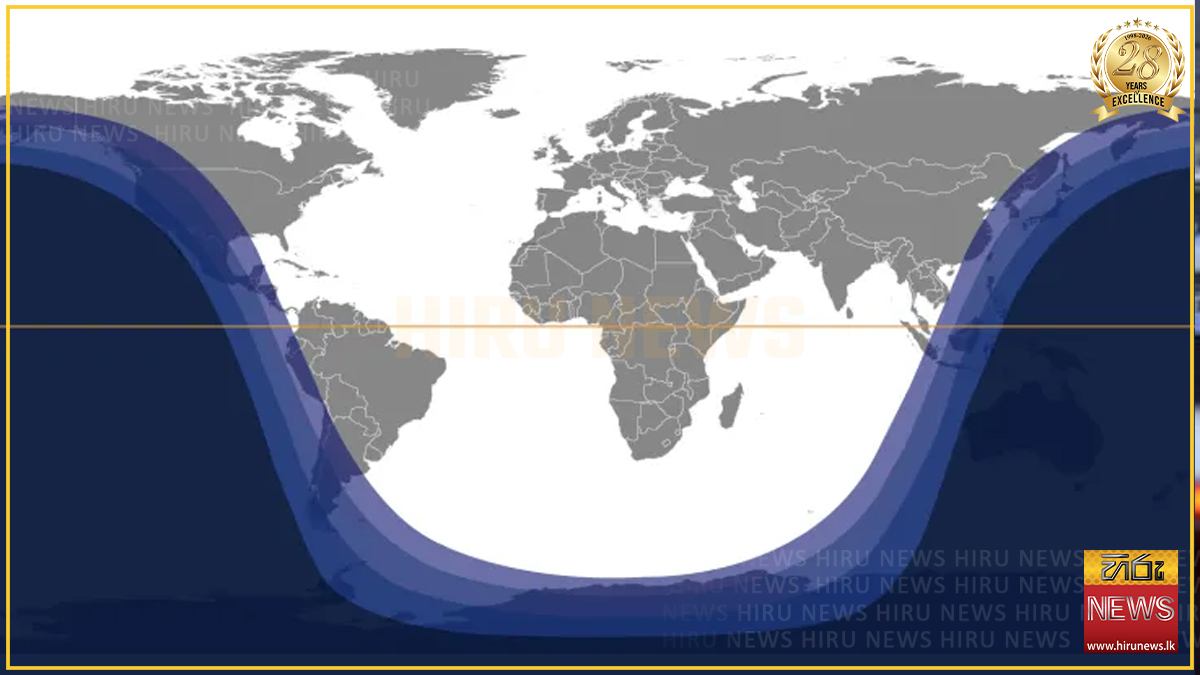
99% of people on Earth will get sunlight at the same time this Wednesday
Kandy Esala procession to commence on August 13

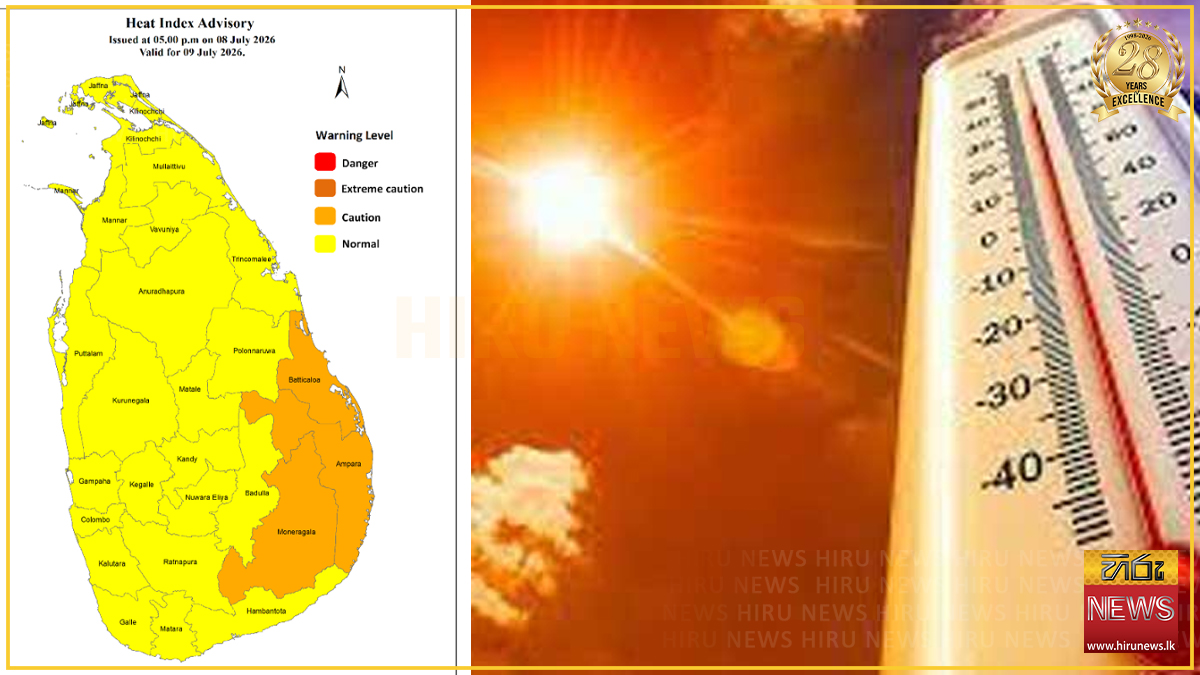
Heat Index to reach advisory levels tomorrow
2027 budget to address long-standing drinking water issues
Bail granted to Land Registrar accused of aiding organised crime

Sajith accuses government of betraying farmers after polls