


Share Post


With fighting between the United States, Israel and Iran at a fragile standstill, Iran's large North American diaspora is divided over what should come next.
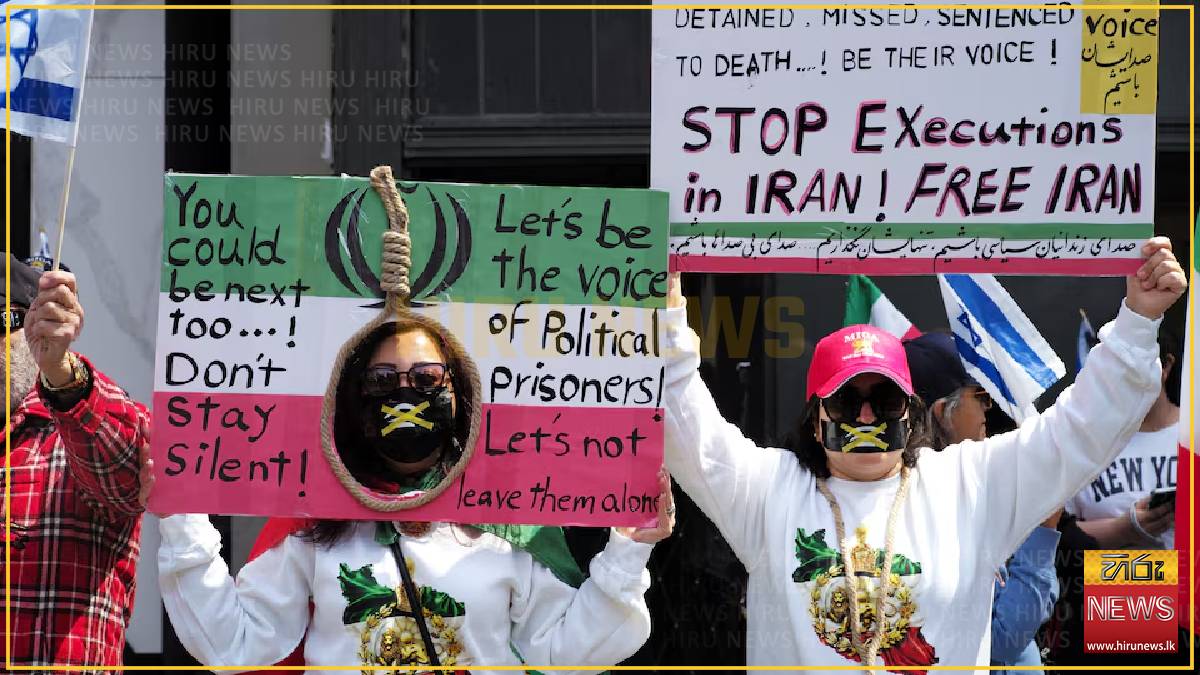
Demonstrators at a rally in Toronto on Sunday said they hope U.S. President Donald Trump will continue with military intervention aimed at regime change in Tehran. Others, while opposed to the Islamic Republic, said the war has only deepened suffering in Iran without delivering democracy.
The split highlights a long-running debate among Iran's diaspora over whether foreign military pressure can and should help dismantle Iran’s decades-old clerical leadership given the potential costs to friends and family still in Iran, or whether political change must come from within.
Up to 5 million Iranians live abroad, the majority of them in North America and Western Europe, according to Iranian government data. Iranian media has put their numbers closer to 10 million. People who have fled Iran since the 1979 Islamic Revolution are overwhelmingly opposed to its clerical rulers, but opinions over foreign military involvement diverge.
A recently extended ceasefire has paused U.S. and Israeli strikes on Iran that began on February 28, but no agreement has been reached on terms to end the war. The conflict has killed thousands of Iranians and sent oil prices surging, adding to inflation pressures and clouding the outlook for global economic growth.
At the rally in Toronto, home to one of North America's largest Iranian communities, around 300 protesters waved U.S. and Israeli flags and called for an end to the theocratic system in Tehran, which they blame for decades of repression.
Earlier this year, hundreds of thousands attended anti-government protests in the city. Many carried the pre-revolution Lion and Sun flag, often used to show support for the opposition figure Reza Pahlavi, the exiled son of Iran's last shah.
“The Islamic regime is our main enemy. We want countries like the U.S. and Israel to help us bring this regime down,” said Ali Daneshfar, an operations coordinator with Cyrus the Great, a Toronto-based Iranian group.
Daneshfar said repeated protests inside Iran had been violently crushed, leaving Iranians with few options.
Nasser Sharif, president of the California Society for Democracy in Iran, expressed a sharply different view, welcoming the ceasefire and warning that bombing Iran would only strengthen the authorities’ grip on power. Los Angeles is home to the world's largest Iranian expatriate community.
“We believe that bombing the regime is not going to bring democratic change in Iran,” said Sharif, who supports the National Council of Resistance of Iran, an opposition coalition. “The regime is using the war to suppress more, execute more people and terrorize the population inside the country.”
Sharif said the ceasefire could give space for Iranians to organize again after weeks of conflict, arguing that sustainable change must be led by Iranians themselves rather than imposed from abroad.
“That is the least costly option, without foreign troops and without prolonging the suffering,” he said.
-Reuters
Demonstrators at a rally in Toronto on Sunday said they hope U.S. President Donald Trump will continue with military intervention aimed at regime change in Tehran. Others, while opposed to the Islamic Republic, said the war has only deepened suffering in Iran without delivering democracy.
The split highlights a long-running debate among Iran's diaspora over whether foreign military pressure can and should help dismantle Iran’s decades-old clerical leadership given the potential costs to friends and family still in Iran, or whether political change must come from within.
Up to 5 million Iranians live abroad, the majority of them in North America and Western Europe, according to Iranian government data. Iranian media has put their numbers closer to 10 million. People who have fled Iran since the 1979 Islamic Revolution are overwhelmingly opposed to its clerical rulers, but opinions over foreign military involvement diverge.
A recently extended ceasefire has paused U.S. and Israeli strikes on Iran that began on February 28, but no agreement has been reached on terms to end the war. The conflict has killed thousands of Iranians and sent oil prices surging, adding to inflation pressures and clouding the outlook for global economic growth.
At the rally in Toronto, home to one of North America's largest Iranian communities, around 300 protesters waved U.S. and Israeli flags and called for an end to the theocratic system in Tehran, which they blame for decades of repression.
Earlier this year, hundreds of thousands attended anti-government protests in the city. Many carried the pre-revolution Lion and Sun flag, often used to show support for the opposition figure Reza Pahlavi, the exiled son of Iran's last shah.
“The Islamic regime is our main enemy. We want countries like the U.S. and Israel to help us bring this regime down,” said Ali Daneshfar, an operations coordinator with Cyrus the Great, a Toronto-based Iranian group.
Daneshfar said repeated protests inside Iran had been violently crushed, leaving Iranians with few options.
Nasser Sharif, president of the California Society for Democracy in Iran, expressed a sharply different view, welcoming the ceasefire and warning that bombing Iran would only strengthen the authorities’ grip on power. Los Angeles is home to the world's largest Iranian expatriate community.
“We believe that bombing the regime is not going to bring democratic change in Iran,” said Sharif, who supports the National Council of Resistance of Iran, an opposition coalition. “The regime is using the war to suppress more, execute more people and terrorize the population inside the country.”
Sharif said the ceasefire could give space for Iranians to organize again after weeks of conflict, arguing that sustainable change must be led by Iranians themselves rather than imposed from abroad.
“That is the least costly option, without foreign troops and without prolonging the suffering,” he said.
-Reuters
Latest News
Parliament to debate $2.5 million treasury transfer
Local
30 April 2026

“Market weakens as geopolitical concerns weigh on investor sentiment”
Local
30 April 2026

Rallies and May Day marches organised across the island
Local
30 April 2026
US seeks international help to reopen Strait of Hormuz
Local
30 April 2026
US Supreme Court under Roberts takes 'wrecking ball' to Voting Rights Act
Local
30 April 2026
EU kickstarts Mercosur pact to counter US trade hit
Local
30 April 2026
King Charles and Queen Camilla to say farewell to Trump and First Lady Melania
Local
30 April 2026
Iran's North American diaspora split over next steps after Trump's ceasefire
Local
30 April 2026
Man, machine and AI combine in battle to clear Ukraine of mines
Local
30 April 2026
Rats infest Gaza's tent camps, biting children and spreading disease
Local
30 April 2026