



Share Post


Research has revealed the devastating impact of bird flu on a remote Australian territory where more than 13,000 baby seals are now believed to have been killed by the virus.
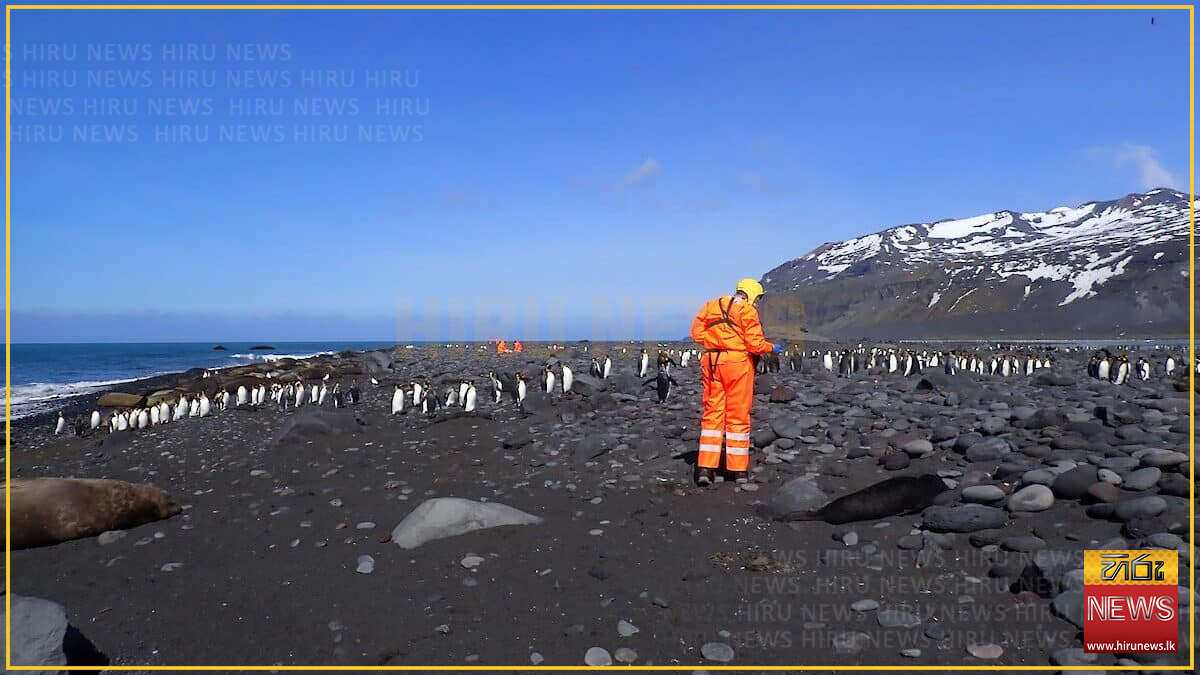
Heard Island and McDonald Islands, located 4000 kilometres south-west of mainland Australia, are a haven for breeding seals and seabirds in the Southern Ocean.
But in October last year, a research voyage uncovered evidence that H5 bird flu had reached the area - the first time an Australian external territory had been affected.
At the time, scientists from the Australian Antarctic Program said hundreds of dead southern elephant seal pups had been found on Heard Island.
But analysis of data collected during a second voyage in January has painted a far more dire picture.
The researchers estimate 13,359 seal pups succumbed to the disease out of a total population of 17,364 - more than three-quarters of the cohort on Heard Island.
But they say the figure could be even worse because the mortality was ongoing when they completed their observations, and some seal harems were losing up to 97 percent of pups.
The findings have been published in the scientific journal BioRxiv, but have not yet been peer reviewed.
-RNZ
Heard Island and McDonald Islands, located 4000 kilometres south-west of mainland Australia, are a haven for breeding seals and seabirds in the Southern Ocean.
But in October last year, a research voyage uncovered evidence that H5 bird flu had reached the area - the first time an Australian external territory had been affected.
At the time, scientists from the Australian Antarctic Program said hundreds of dead southern elephant seal pups had been found on Heard Island.
But analysis of data collected during a second voyage in January has painted a far more dire picture.
The researchers estimate 13,359 seal pups succumbed to the disease out of a total population of 17,364 - more than three-quarters of the cohort on Heard Island.
But they say the figure could be even worse because the mortality was ongoing when they completed their observations, and some seal harems were losing up to 97 percent of pups.
The findings have been published in the scientific journal BioRxiv, but have not yet been peer reviewed.
-RNZ
Latest News
Grade 12 IT exam on October 24… O/Ls 2026 from December 8 to 17
Local
20 June 2026

225,748 students qualify for Advanced Level… 7,419 failed all subjects
Local
20 June 2026

US announces new round of Israel-Lebanon talks in Washington next week
Local
20 June 2026

Zelensky stripped of highest Polish honour over WW2 name of army unit
Local
20 June 2026

Farmers also at fault for not supplying paddy when warehouses were open, says Deputy Minister
Local
20 June 2026

Legendary sitcom director James Burrows dies at 85
Local
20 June 2026

Brazil cruise past Haiti to go top of World Cup group
Local
20 June 2026

Baseless attacks on state officials politically motivated, says Deputy Minister
Local
20 June 2026

Scotland stunned inside 70 seconds as Morocco strike early in World Cup defeat
Local
20 June 2026

Hosts USA destroy Australia to book knockout stage place
Local
20 June 2026