



Share Post


South Korea and Japan on Sunday reaffirmed their commitment to the denuclearisation of the Korean peninsula and agreed to revive joint search-and-rescue drills in a step forward for security ties between the neighbouring countries.
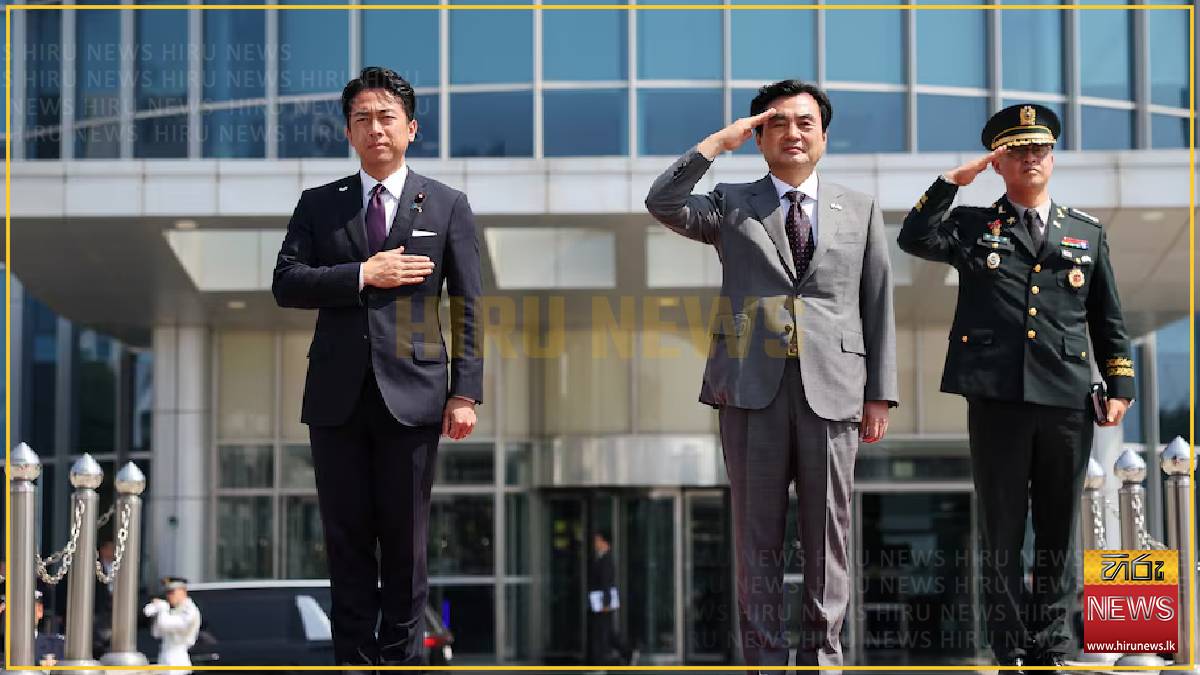
Meeting in Seoul, South Korean Defence Minister Ahn Gyu-back and his Japanese counterpart Shinjiro Koizumi agreed to work on regional stability bilaterally, as well as through their partnerships with Washington, in the sixth round of talks between the two countries.
"Both ministers shared the view to continue cooperation for maintaining regional peace and stability amid a grave security environment," South Korea's defence ministry said in a statement.
South Korea and Japan, with U.S. encouragement, have been working to develop closer ties since 2022 and overcome sometimes bitter historical differences, a policy continued by President Lee Jae Myung and Prime Minister Sanae Takaichi.
In 2019, Seoul moved to end the GSOMIA intelligence-sharing pact with Japan after Tokyo restricted exports of semiconductor materials and removed South Korea from its preferential trade list, over lingering grievances rooted in Japan’s past colonial rule of the Korean peninsula.
In 2025, Japan's then-Prime Minister Shigeru Ishiba and President Lee agreed to closer security and economic ties, and the defence ministers committed to working with Washington against North Korea's nuclear threat and Pyongyang's growing military ties with Russia, including cooperation on AI and unmanned systems and annual trilateral drills.
Takaichi and Lee agreed in January 2026 to deepen shuttle diplomacy and in May expanded cooperation on energy.
On Sunday, Ahn and Koizumi also agreed to continue fostering exchange between their air forces' respective aerobatic teams — South Korea’s Black Eagles and Japan’s Blue Impulse — to further advance search-and-rescue exercises designed for various maritime accident scenarios.
The two previously held talks in Japan in January and met again in May at the Shangri-La Dialogue in Singapore where they discussed a possible military-logistics support agreement covering fuel, food and ammunition. The two sides also agreed to hold a joint humanitarian search-and-rescue exercise in June, the first in almost a decade.
Tensions, however, remain, including lingering disputes over Korean women forced to work in Japanese military brothels during World War Two. In February, Seoul protested against a Japanese government event commemorating a cluster of disputed islands known as Takeshima in Japan and Dokdo in South Korea, which controls the territory.
-Reuters
Meeting in Seoul, South Korean Defence Minister Ahn Gyu-back and his Japanese counterpart Shinjiro Koizumi agreed to work on regional stability bilaterally, as well as through their partnerships with Washington, in the sixth round of talks between the two countries.
"Both ministers shared the view to continue cooperation for maintaining regional peace and stability amid a grave security environment," South Korea's defence ministry said in a statement.
South Korea and Japan, with U.S. encouragement, have been working to develop closer ties since 2022 and overcome sometimes bitter historical differences, a policy continued by President Lee Jae Myung and Prime Minister Sanae Takaichi.
In 2019, Seoul moved to end the GSOMIA intelligence-sharing pact with Japan after Tokyo restricted exports of semiconductor materials and removed South Korea from its preferential trade list, over lingering grievances rooted in Japan’s past colonial rule of the Korean peninsula.
In 2025, Japan's then-Prime Minister Shigeru Ishiba and President Lee agreed to closer security and economic ties, and the defence ministers committed to working with Washington against North Korea's nuclear threat and Pyongyang's growing military ties with Russia, including cooperation on AI and unmanned systems and annual trilateral drills.
Takaichi and Lee agreed in January 2026 to deepen shuttle diplomacy and in May expanded cooperation on energy.
On Sunday, Ahn and Koizumi also agreed to continue fostering exchange between their air forces' respective aerobatic teams — South Korea’s Black Eagles and Japan’s Blue Impulse — to further advance search-and-rescue exercises designed for various maritime accident scenarios.
The two previously held talks in Japan in January and met again in May at the Shangri-La Dialogue in Singapore where they discussed a possible military-logistics support agreement covering fuel, food and ammunition. The two sides also agreed to hold a joint humanitarian search-and-rescue exercise in June, the first in almost a decade.
Tensions, however, remain, including lingering disputes over Korean women forced to work in Japanese military brothels during World War Two. In February, Seoul protested against a Japanese government event commemorating a cluster of disputed islands known as Takeshima in Japan and Dokdo in South Korea, which controls the territory.
-Reuters
Latest News
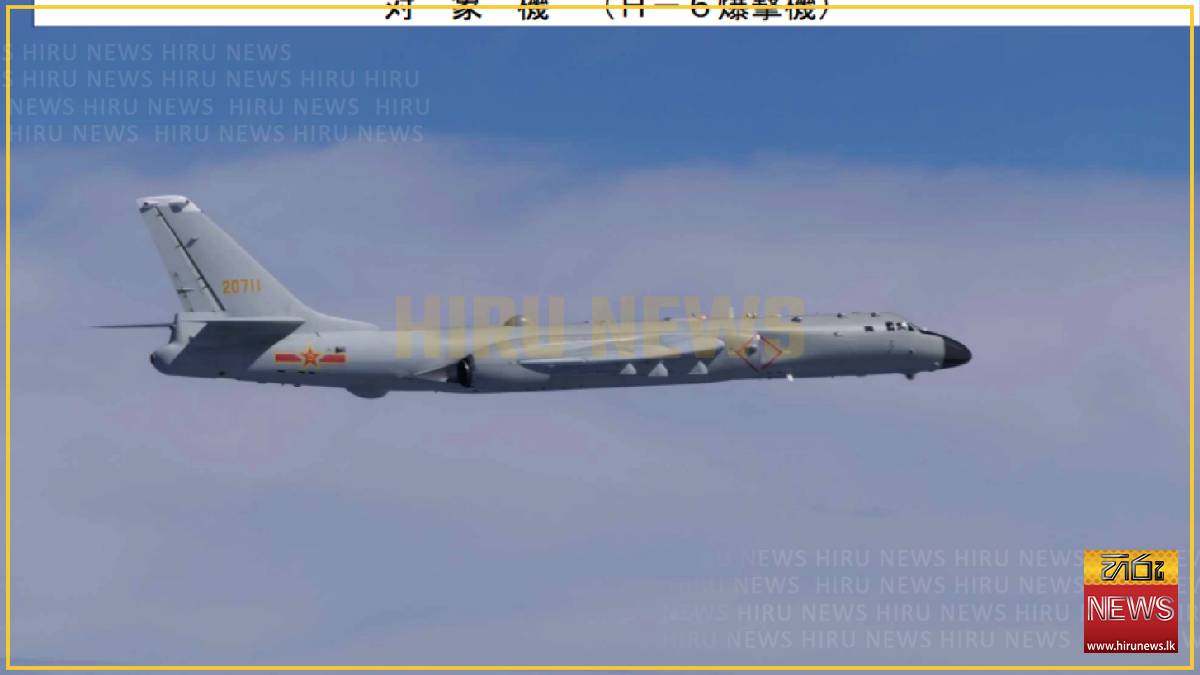
Chinese and Russian bombers, fighter jets stage joint patrol
Local
28 June 2026
Google limits Meta’s use of its Gemini AI models
Local
28 June 2026

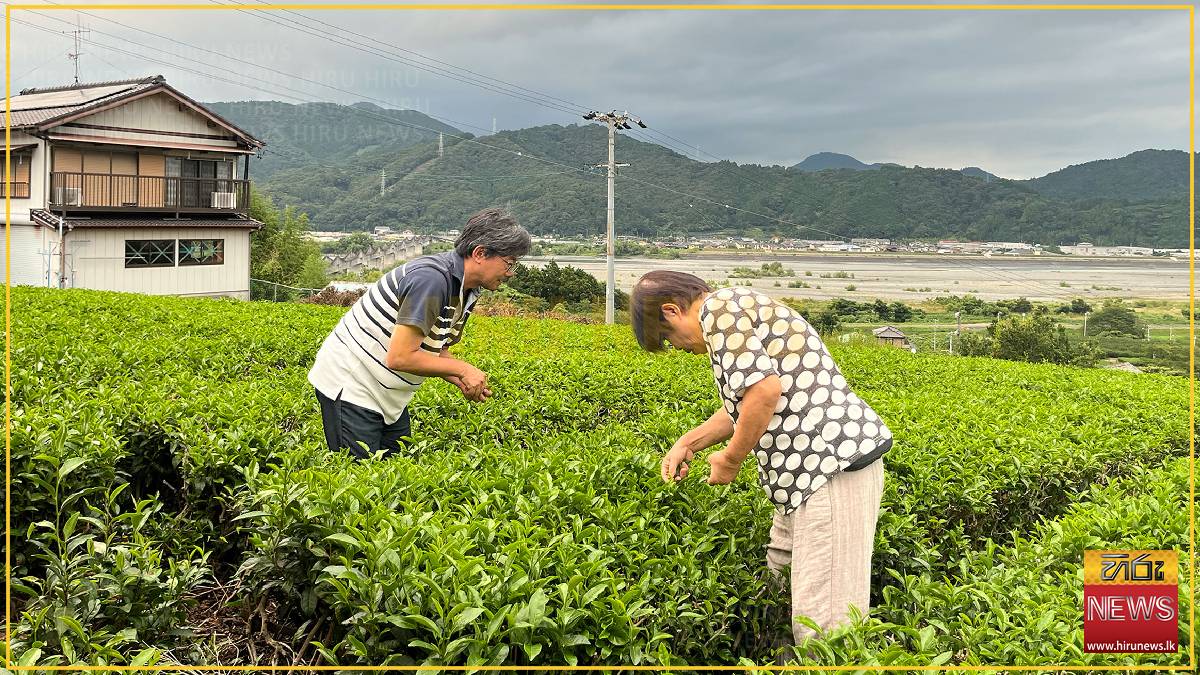
Japan acts to shield tea brand from fakes
Local
28 June 2026
Nine out of ten African teams secure World Cup round of 32 berth
Local
28 June 2026

Serbian President Vučić says he will resign within ‘weeks’
Local
28 June 2026

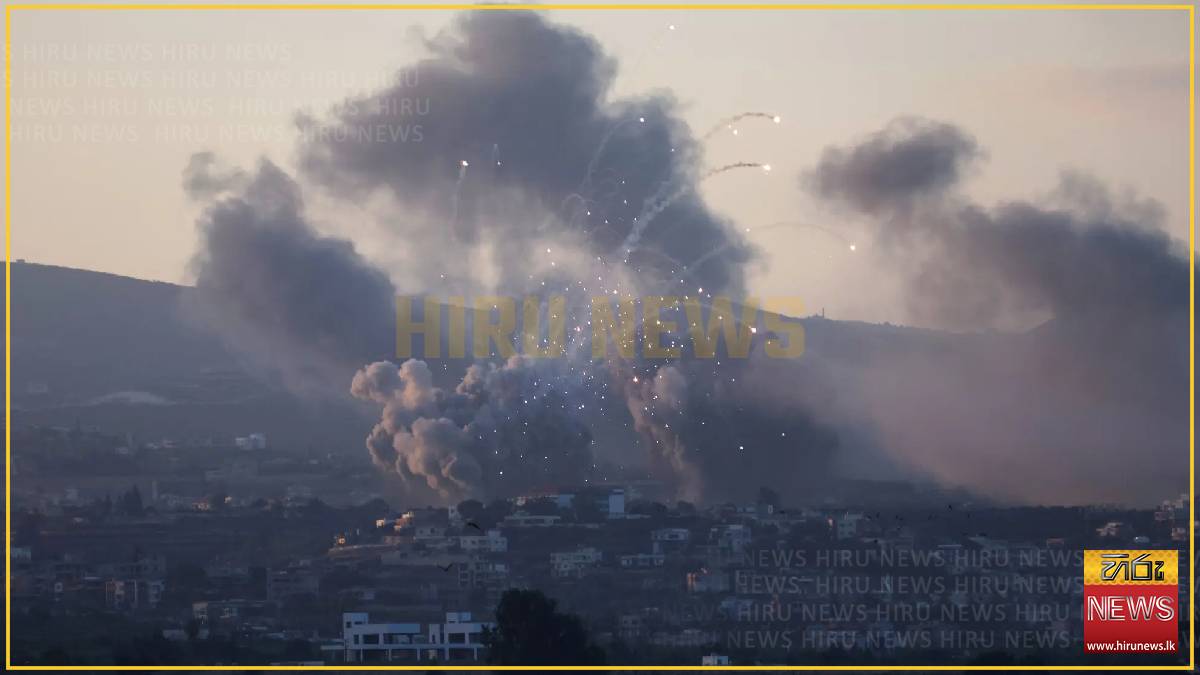
Israeli claims strike killed Hezbollah militants
Local
28 June 2026
Argentina cabinet chief resigns after corruption allegations
Local
28 June 2026
Google limits Meta’s use of its Gemini AI models
Local
28 June 2026

Death toll in Venezuela quake tops 1,400 as rescue efforts intensify
Local
28 June 2026
South Korea and Japan reaffirm denuclearisation goal
Local
28 June 2026