



Share Post


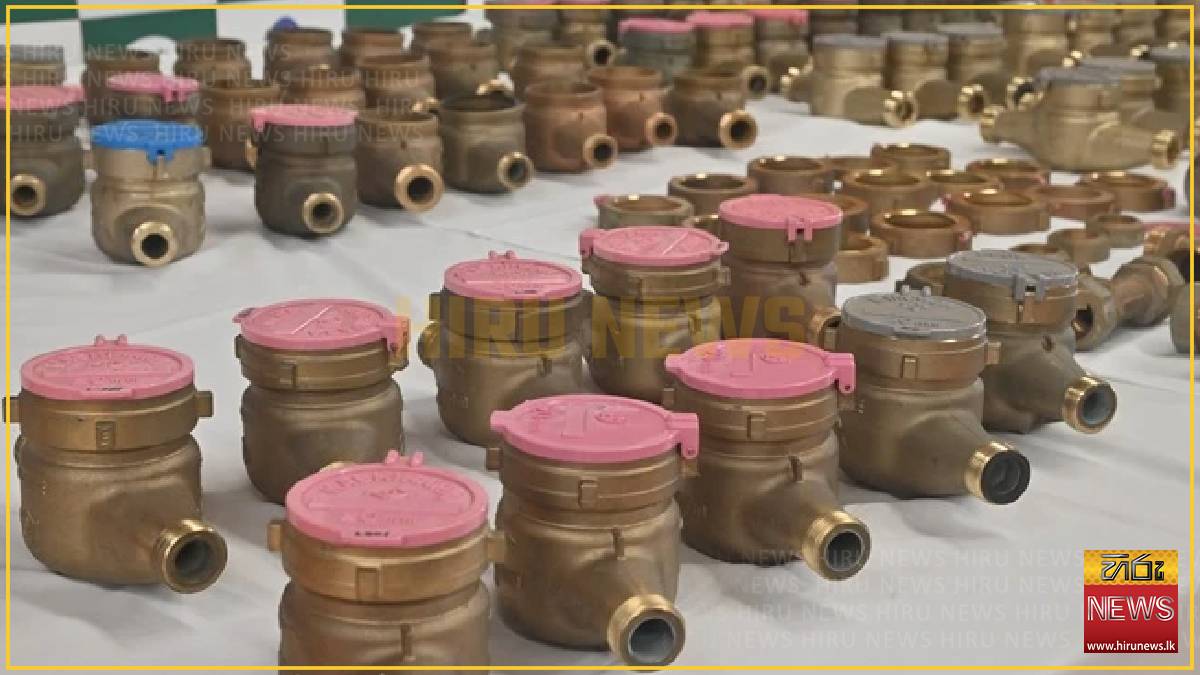
Thieves are increasingly stealing water meters throughout Japan as soaring copper prices make the devices tempting and unexpected targets.
The culprits are resorting to increasingly sophisticated schemes, such as specifically targeting vacant apartments in public housing complexes.
Local governments are struggling to implement countermeasures against this unexpectedly emerging situation.
Since late March, Shizuoka city has seen 89 water meters stolen from four locations, inclusive of public apartment complexes, within the municipality. The overall loss is estimated at a staggering 340,000 yen ($2,100).
The highest number of stolen meters per case was reported for a housing complex, with 47 taken. All were snatched from unoccupied apartments.
At the complex in question, water remaining in pipes leaked into a common corridor after the gauges were removed. A resident noticed the leakage and then contacted the authorities, leading to the discovery of the theft in late March.
According to Shizuoka city, the apartment complex is more than 50 years old and has many unused units. The mailboxes on the first floor for these vacant rooms are sealed with tape, making it easy for outsiders to identify uninhabited apartments.
The municipal government believes that the perpetrators likely stole the water meters from the vacant units, in particular, because they wanted their act to go undetected for as long as possible.
There was an eyewitness report of a pair of men in work uniforms lingering near the stolen devices. They may have been disguised that way to avoid arousing residents’ suspicions.
The water meters, which measure the water usage in a system, weighed 2 kilograms each and were reportedly made of an alloy with a high copper content.
The city explained that it was the first time that those devices had been stolen there.
“We had never imagined these inexpensive items would be pilfered,” a city representative said with a sigh.
Officials are currently taking steps. They are, for example, detaching and collecting utility meters from apartments that are not expected to welcome new residents anytime soon.
On April 27, two men were arrested on suspicion of having stolen 10 meters from one of the victimized public housing complexes.
The culprits are said to have tried to sell the devices to scrap metal recycling businesses. Shizuoka prefectural police seized and recovered 40 meters in total from more than one such enterprise.
Interviews conducted by The Asahi Shimbun with all 35 cities and towns in Shizuoka Prefecture revealed that, as of late May, the thefts of a total of 961 water meters had been confirmed in 10 cities, such as Atami and Fuji.
Similar incidents have been reported in Yokohama, Tokyo’s Machida and Himeji of Hyogo Prefecture.
An astounding 175 meters were stolen in Himeji alone, as vacant units in prefecture-run apartment complexes and municipal housing facilities were especially affected in these burglary cases.
At Shimonoseki city in Yamaguchi Prefecture, the 1,341 water meters kept and stored at a filtration plant managed by the municipal government were taken away by someone.
“The scene of the theft is surrounded by barbed wire and 2-meter fences, which means people rarely enter the area,” said a city official in charge, expressing puzzlement.
Behind the recent crime trend appears to be the skyrocketing value of copper.
Data from JX Advanced Metals Corp., headquartered in Tokyo, show that the benchmark copper trading price stood at 703 yen per kilogram in March 2017 but surged to 2,089 yen in March of this year.
A representative of a metal recycling business in Shizuoka city noted that water meters are rarely brought in for sale.
The rep said that, on one occasion in the past, a staff member of a construction company showed up with several meters, claiming that they had been “found while we were cleaning out a warehouse.”
However, there have been no instances of individuals attempting to sell water meters to the recycler.
The buyer adheres to exhaustive identity verification procedures and checks sellers’ driver’s licenses or other forms of ID. Detecting anything suspicious, it will refuse to make the purchase and contact police.
With these tight restrictions in mind, the firm’s official particularly pointed to the possibility that stolen water meters “may be being bought by illegal dealers and exported to destinations outside Japan.”
According to the National Police Agency, the number of confirmed metal thefts involving copper wires, manhole covers and the like has been on the rise, leaping from 5,500 in 2020 to 20,700 in 2024.
-Asahi Shimbun
The culprits are resorting to increasingly sophisticated schemes, such as specifically targeting vacant apartments in public housing complexes.
Local governments are struggling to implement countermeasures against this unexpectedly emerging situation.
Since late March, Shizuoka city has seen 89 water meters stolen from four locations, inclusive of public apartment complexes, within the municipality. The overall loss is estimated at a staggering 340,000 yen ($2,100).
The highest number of stolen meters per case was reported for a housing complex, with 47 taken. All were snatched from unoccupied apartments.
At the complex in question, water remaining in pipes leaked into a common corridor after the gauges were removed. A resident noticed the leakage and then contacted the authorities, leading to the discovery of the theft in late March.
According to Shizuoka city, the apartment complex is more than 50 years old and has many unused units. The mailboxes on the first floor for these vacant rooms are sealed with tape, making it easy for outsiders to identify uninhabited apartments.
The municipal government believes that the perpetrators likely stole the water meters from the vacant units, in particular, because they wanted their act to go undetected for as long as possible.
There was an eyewitness report of a pair of men in work uniforms lingering near the stolen devices. They may have been disguised that way to avoid arousing residents’ suspicions.
The water meters, which measure the water usage in a system, weighed 2 kilograms each and were reportedly made of an alloy with a high copper content.
The city explained that it was the first time that those devices had been stolen there.
“We had never imagined these inexpensive items would be pilfered,” a city representative said with a sigh.
Officials are currently taking steps. They are, for example, detaching and collecting utility meters from apartments that are not expected to welcome new residents anytime soon.
On April 27, two men were arrested on suspicion of having stolen 10 meters from one of the victimized public housing complexes.
The culprits are said to have tried to sell the devices to scrap metal recycling businesses. Shizuoka prefectural police seized and recovered 40 meters in total from more than one such enterprise.
Interviews conducted by The Asahi Shimbun with all 35 cities and towns in Shizuoka Prefecture revealed that, as of late May, the thefts of a total of 961 water meters had been confirmed in 10 cities, such as Atami and Fuji.
Similar incidents have been reported in Yokohama, Tokyo’s Machida and Himeji of Hyogo Prefecture.
An astounding 175 meters were stolen in Himeji alone, as vacant units in prefecture-run apartment complexes and municipal housing facilities were especially affected in these burglary cases.
At Shimonoseki city in Yamaguchi Prefecture, the 1,341 water meters kept and stored at a filtration plant managed by the municipal government were taken away by someone.
“The scene of the theft is surrounded by barbed wire and 2-meter fences, which means people rarely enter the area,” said a city official in charge, expressing puzzlement.
Behind the recent crime trend appears to be the skyrocketing value of copper.
Data from JX Advanced Metals Corp., headquartered in Tokyo, show that the benchmark copper trading price stood at 703 yen per kilogram in March 2017 but surged to 2,089 yen in March of this year.
A representative of a metal recycling business in Shizuoka city noted that water meters are rarely brought in for sale.
The rep said that, on one occasion in the past, a staff member of a construction company showed up with several meters, claiming that they had been “found while we were cleaning out a warehouse.”
However, there have been no instances of individuals attempting to sell water meters to the recycler.
The buyer adheres to exhaustive identity verification procedures and checks sellers’ driver’s licenses or other forms of ID. Detecting anything suspicious, it will refuse to make the purchase and contact police.
With these tight restrictions in mind, the firm’s official particularly pointed to the possibility that stolen water meters “may be being bought by illegal dealers and exported to destinations outside Japan.”
According to the National Police Agency, the number of confirmed metal thefts involving copper wires, manhole covers and the like has been on the rise, leaping from 5,500 in 2020 to 20,700 in 2024.
-Asahi Shimbun
Latest News
Plastic bags, wraps and pouches face short shelf life
Local
28 June 2026

117 dogs found dead at California ‘No-Kill’ Rescue
Local
28 June 2026
BIS says debt, AI boom and fragilities raise global risks
Local
28 June 2026

Volkswagen shareholder pitches producing China cars
Local
28 June 2026

Galapagos container ship exits Strait of Hormuz
Local
28 June 2026

3 firefighters killed, 2 injured in Snyder wildfire
Local
28 June 2026
Iraq intensifies corruption probe with high-level arrests
Local
28 June 2026

Thieves target water meters in Japanese apartments for scrap metal
Local
28 June 2026
As Supreme Court's term nears its end, three major Trump rulings due
Local
28 June 2026

France records 1,000 excess deaths during record-breaking heatwave
Local
28 June 2026