



Share Post


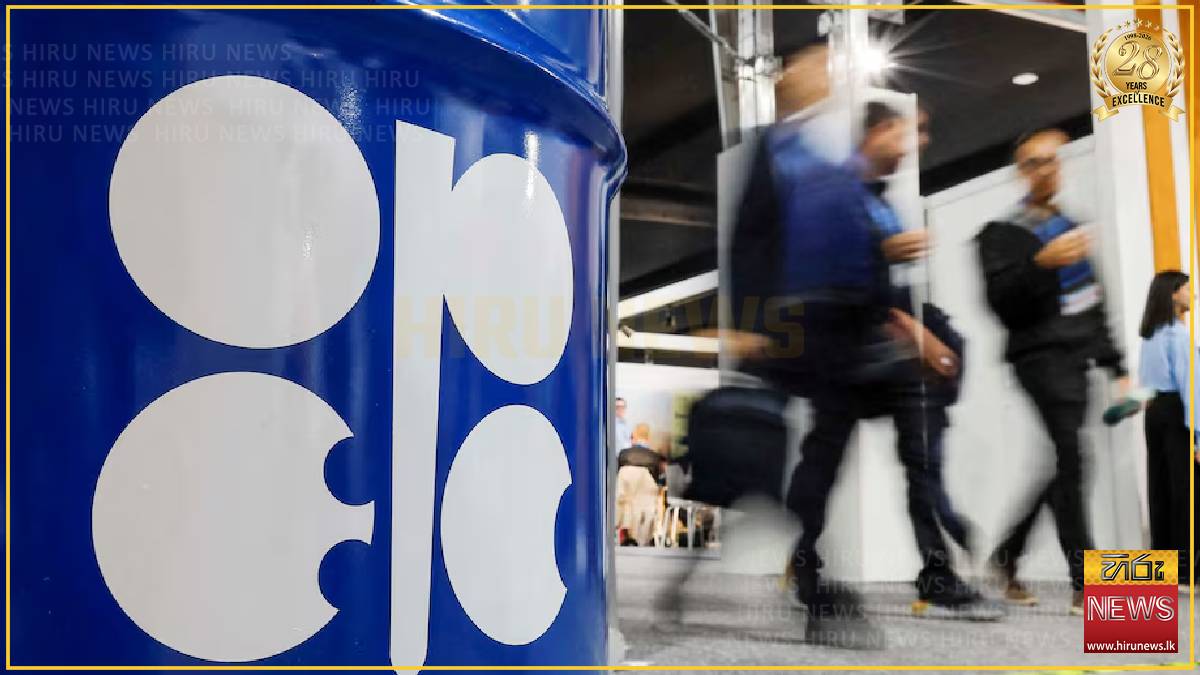
OPEC+ has agreed a further increase in output targets from August, the group said in a statement on Sunday, adding to global supply at a time when oil prices are falling due to the gradual reopening of the Strait of Hormuz for oil exports.
The oil-producing group agreed during an online meeting to increase quotas by 188,000 barrels per day from August, on top of similar increases for June and July.
The seven core members of OPEC+, which groups OPEC and allied producers including Russia, have hiked their output quotas from April through July by almost 800,000 bpd.
Yet the increase has remained largely on paper because of the U.S.-Israeli war on Iran, which closed the Strait of Hormuz to tanker traffic for some of the most important OPEC+ members, including Saudi Arabia, Kuwait and Iraq.
OPEC+ output fell to 33.13 million bpd in May, according to OPEC data, from 42.77 million bpd in February. It began to recover in June thanks to U.S. efforts to help the UAE and other OPEC+ nations export more oil, but is still below pre-war levels.
Despite persisting supply disruptions, oil prices have returned to pre-war levels, pressured by lower Chinese imports, higher exports from non-Middle East producers, and a record global strategic stock release coordinated by the International Energy Agency.
"The group of seven kept unwinding their production cuts as widely expected," UBS analyst Giovanni Staunovo said. "The near-term focus will remain on how many tankers will manage to cross the Strait of Hormuz and how quickly demand and Chinese crude imports recover."
A memorandum of understanding between Washington and Tehran to end the war has also helped convince traders that supply will ultimately return to normal levels.
-Reuters
The oil-producing group agreed during an online meeting to increase quotas by 188,000 barrels per day from August, on top of similar increases for June and July.
The seven core members of OPEC+, which groups OPEC and allied producers including Russia, have hiked their output quotas from April through July by almost 800,000 bpd.
Yet the increase has remained largely on paper because of the U.S.-Israeli war on Iran, which closed the Strait of Hormuz to tanker traffic for some of the most important OPEC+ members, including Saudi Arabia, Kuwait and Iraq.
OPEC+ output fell to 33.13 million bpd in May, according to OPEC data, from 42.77 million bpd in February. It began to recover in June thanks to U.S. efforts to help the UAE and other OPEC+ nations export more oil, but is still below pre-war levels.
Despite persisting supply disruptions, oil prices have returned to pre-war levels, pressured by lower Chinese imports, higher exports from non-Middle East producers, and a record global strategic stock release coordinated by the International Energy Agency.
"The group of seven kept unwinding their production cuts as widely expected," UBS analyst Giovanni Staunovo said. "The near-term focus will remain on how many tankers will manage to cross the Strait of Hormuz and how quickly demand and Chinese crude imports recover."
A memorandum of understanding between Washington and Tehran to end the war has also helped convince traders that supply will ultimately return to normal levels.
-Reuters
Latest News
Tour de France under threat due to forest fires
Local
05 July 2026

Dr. Hussam Abu Safia’s life in ‘grave danger’
Local
05 July 2026

Infernos devastate forests as Europe's temperatures rise again
Local
05 July 2026

At least 15 Yemeni government troops killed
Local
05 July 2026
Dead body found in Paris canal
Local
05 July 2026

OPEC+ approves further oil output increase
Local
05 July 2026
International Swimming League to pay overdue prize money
Local
05 July 2026

No complaints but open wounds for Paraguay coach
Local
05 July 2026

Iran and Qatar resume maritime trade
Local
05 July 2026
Army launches nationwide dengue prevention operation
Local
05 July 2026