Share Post


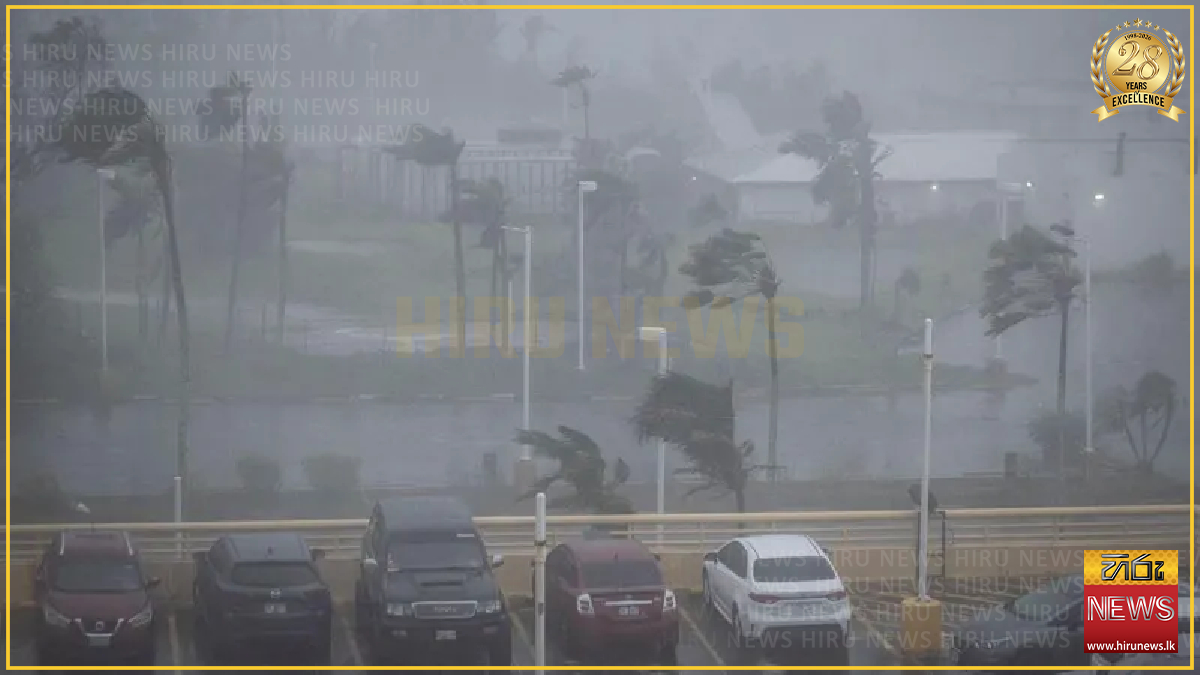
Howling winds and lashing rains are battering Guam and the Northern Mariana Islands as super typhoon Bavi makes landfall.
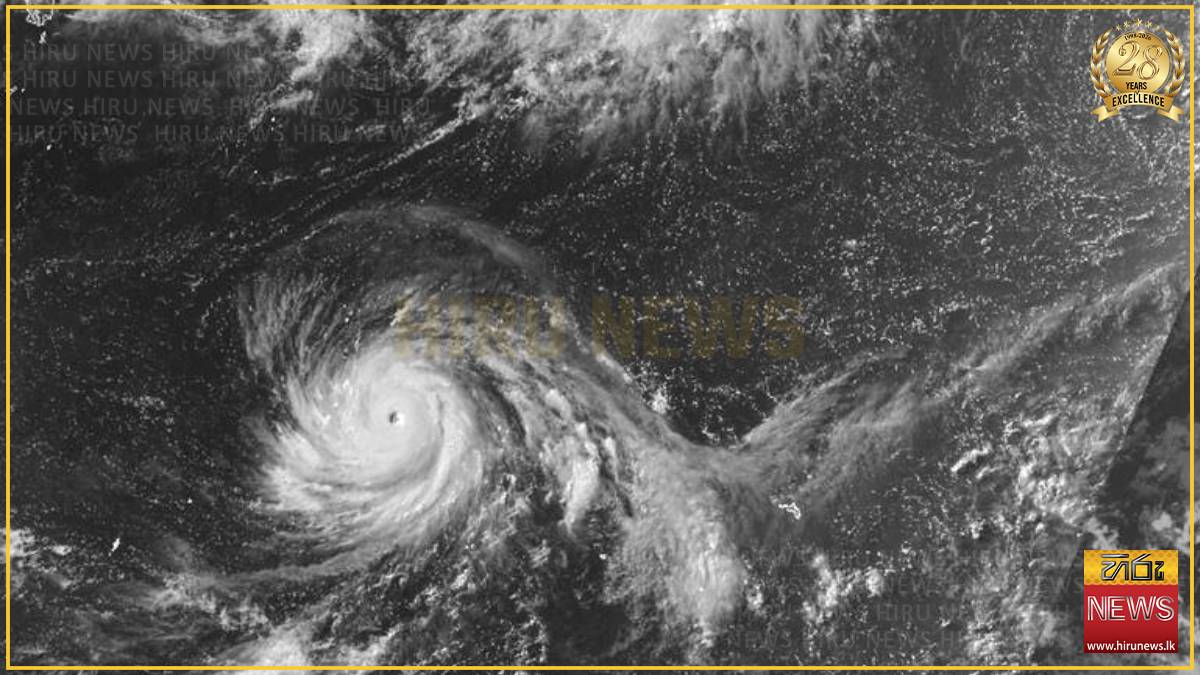
Packing winds of nearly 290km/h (180mph) and gusts of 350km/h, Bavi is moving over the Pacific islands, according to the US National Weather Service (NWS).
The NWS warned the "very dangerous" storm could cause "catastrophic" damage, with waves potentially nearly 11m (35ft) high. An official told AFP they had received reports of "major damages" on the Northern Mariana Islands.
The western Pacific region is particularly prone to tropical cyclones. While storms of this strength are unusual for the US islands, scientists say climate change is making powerful typhoons more common.
Residents in the region have been moving to emergency shelters and making last-minute preparations before the arrival of the super typhoon.
In the Northern Mariana Islands, Rota - the southernmost inhabited island, about 50km north-east of Guam - is taking a direct hit, according to the NWS.
The mayor's office has published an advisory urging residents to prepare for "destructive winds", adding that "conditions are expected to deteriorate rapidly, making it unsafe to be outdoors".
"We are hanging in there. We are experiencing heavy winds and flooding," a spokesperson for Rota's mayor told AFP, adding that some people had reported "major damages".
On Saipan, north of Rota, wind gusts of more than 161km/h (100 mph) were recorded at the airport, meteorologist Marcus Landon Aydlett told the Associated Press.
He added that many people on the island were already without power from the last super typhoon Sinlaku, which hit Guam and the Northern Mariana Islands in April - killing 17 people and causing about $1.5bn (£1.1bn) in damage.
The NWS also warned that winds are not forecast to fall below typhoon force until early afternoon on Monday, and below tropical storm force until after midnight.
Guam, usually a sun-soaked tourist destination with a population of about 170,000, has opened five evacuation centres in its schools. These sites have a maximum capacity of around 1,700 and are primarily intended for vulnerable people.
The island's civil defence office said at 13:00 local time on Sunday that one of the evacuation sites had already reached maximum capacity and that people were being redirected to another site.
Bavi has been classified as a super typhoon by the Joint Typhoon Warning Center (JTWC), a part of the US military responsible for monitoring tropical storms in the western Pacific.
A super typhoon has winds in excess of 240km/h. The NWS considers super typhoons to have the equivalent destructive potential as a category four or five hurricane.
Pinky Cubacub, 55, told news agency AFP that she had been boarding up the windows of her eatery in Guam with $500 (£373) worth of plywood.
"I cannot afford to lose so many days. It hurts," she said. "Because I just started, whatever we're making right now is just for rent, utilities, and my people, and supplies. I don't even pay myself yet."
Japanese tourist Miku Sakurai, 25, told AFP that her return flight to Tokyo on Sunday had been cancelled.
"We will stay in the hotel when the storm comes. I am scared," she said.
Bavi will be the 11th category four or five tropical cyclone to hit US territory in the past decade - one more than the total recorded in the prior 57 years.
A strong El Niño event - a periodic warming of an area of surface water in the Pacific that contributes to weather patterns - is expected to push more tropical storms into these higher intensities.
-BBC
Packing winds of nearly 290km/h (180mph) and gusts of 350km/h, Bavi is moving over the Pacific islands, according to the US National Weather Service (NWS).
The NWS warned the "very dangerous" storm could cause "catastrophic" damage, with waves potentially nearly 11m (35ft) high. An official told AFP they had received reports of "major damages" on the Northern Mariana Islands.
The western Pacific region is particularly prone to tropical cyclones. While storms of this strength are unusual for the US islands, scientists say climate change is making powerful typhoons more common.
Residents in the region have been moving to emergency shelters and making last-minute preparations before the arrival of the super typhoon.
In the Northern Mariana Islands, Rota - the southernmost inhabited island, about 50km north-east of Guam - is taking a direct hit, according to the NWS.
The mayor's office has published an advisory urging residents to prepare for "destructive winds", adding that "conditions are expected to deteriorate rapidly, making it unsafe to be outdoors".
"We are hanging in there. We are experiencing heavy winds and flooding," a spokesperson for Rota's mayor told AFP, adding that some people had reported "major damages".
On Saipan, north of Rota, wind gusts of more than 161km/h (100 mph) were recorded at the airport, meteorologist Marcus Landon Aydlett told the Associated Press.
He added that many people on the island were already without power from the last super typhoon Sinlaku, which hit Guam and the Northern Mariana Islands in April - killing 17 people and causing about $1.5bn (£1.1bn) in damage.
The NWS also warned that winds are not forecast to fall below typhoon force until early afternoon on Monday, and below tropical storm force until after midnight.
Guam, usually a sun-soaked tourist destination with a population of about 170,000, has opened five evacuation centres in its schools. These sites have a maximum capacity of around 1,700 and are primarily intended for vulnerable people.
The island's civil defence office said at 13:00 local time on Sunday that one of the evacuation sites had already reached maximum capacity and that people were being redirected to another site.
Bavi has been classified as a super typhoon by the Joint Typhoon Warning Center (JTWC), a part of the US military responsible for monitoring tropical storms in the western Pacific.
A super typhoon has winds in excess of 240km/h. The NWS considers super typhoons to have the equivalent destructive potential as a category four or five hurricane.
Pinky Cubacub, 55, told news agency AFP that she had been boarding up the windows of her eatery in Guam with $500 (£373) worth of plywood.
"I cannot afford to lose so many days. It hurts," she said. "Because I just started, whatever we're making right now is just for rent, utilities, and my people, and supplies. I don't even pay myself yet."
Japanese tourist Miku Sakurai, 25, told AFP that her return flight to Tokyo on Sunday had been cancelled.
"We will stay in the hotel when the storm comes. I am scared," she said.
Bavi will be the 11th category four or five tropical cyclone to hit US territory in the past decade - one more than the total recorded in the prior 57 years.
A strong El Niño event - a periodic warming of an area of surface water in the Pacific that contributes to weather patterns - is expected to push more tropical storms into these higher intensities.
-BBC
Latest News
Oil output surges across OPEC, but Gulf recovery lags
Local
06 July 2026

“Minions & Monsters” fails to meet expectations
Local
06 July 2026

'Obsession' hits USD 400M global box office
Local
06 July 2026

CBSL cuts capital requirement for money transfer firms
Local
06 July 2026

Typhoon Bavi wreaks havoc across Western Pacific islands
Local
06 July 2026
Balogun ban suspended after Trump-FIFA call
Local
06 July 2026

Australia and Fiji strike new defence alliance
Local
06 July 2026

Super Typhoon Bavi makes landfall on US Pacific islands with huge wind gusts
Local
06 July 2026
FIFA clears Balogun to face Belgium after Trump intervention
Local
06 July 2026

Bus fare revisions effective today
Local
06 July 2026