



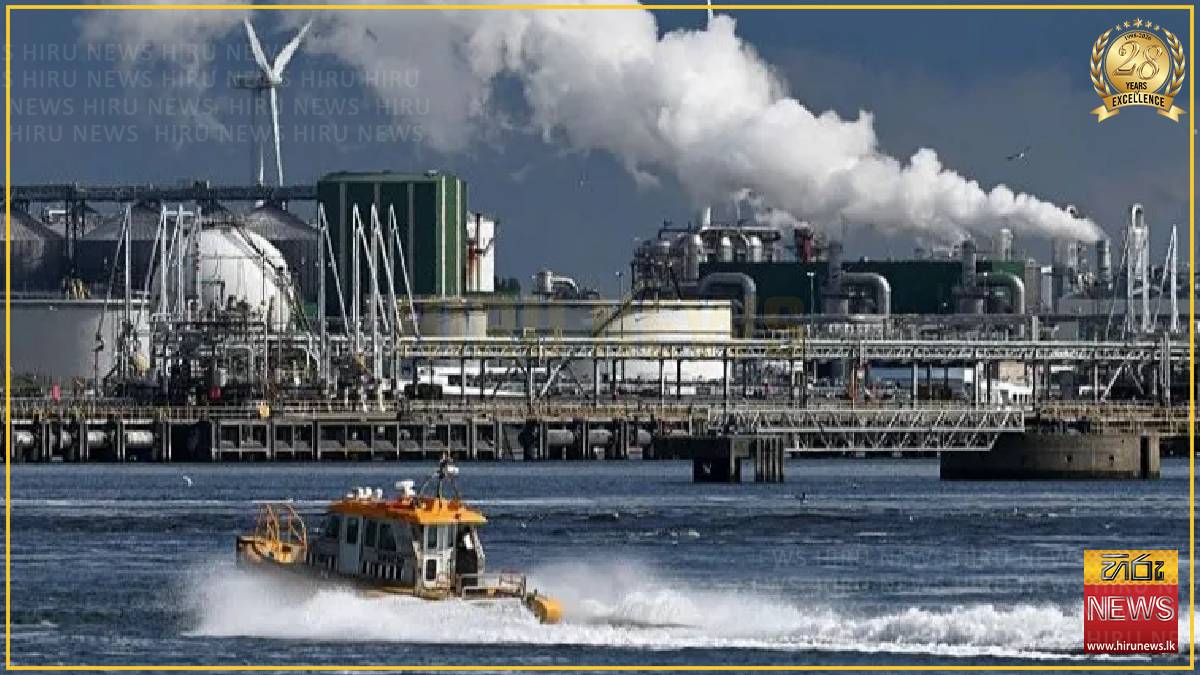


Standing on a grassy verge in the Hook of Holland, I'm overlooking the Port of Rotterdam.
At the delta of the Rhine and Meuse in the Netherlands, on land largely reclaimed from the North Sea, it's the biggest port for freight in Europe.
By some measures, Rotterdam alone handles almost as much cargo as all UK ports combined.
The horizon is dominated by cranes, bulk carriers and container stacks – the visible parts of a vast energy and chemicals hub.
Five refineries, including Shell's largest in Europe, process hundreds of thousands of barrels of crude oil a day, while a tight cluster of chemical plants feeds factories across the continent.
According to research by CE Delft, the fossil fuels flowing through the port are ultimately linked to around 600 megatonnes of CO2 a year – many times more than the CO2 output of the Netherlands' biggest airport, Schiphol.
That scale has made Rotterdam a test case for a difficult question: can a port built on fossil fuels ever truly become green?
Pressure is building on the port to do something.
A lawsuit brought by environmental group Advocates for the Future argues that the Port of Rotterdam Authority is not doing enough to phase out fossil-based energy, and wants a concrete plan to wind down the coal, oil and gas flows whose emissions dwarf those of most countries.
Rotterdam's own industrial cluster currently emits about 29 million tonnes of CO2 a year – roughly half of the Netherlands' domestic emissions, says Mark van Dijk, head of external relations at the Port of Rotterdam Authority.
-BBC
Latest News
Edwards leaves role as CEO of football at FSG

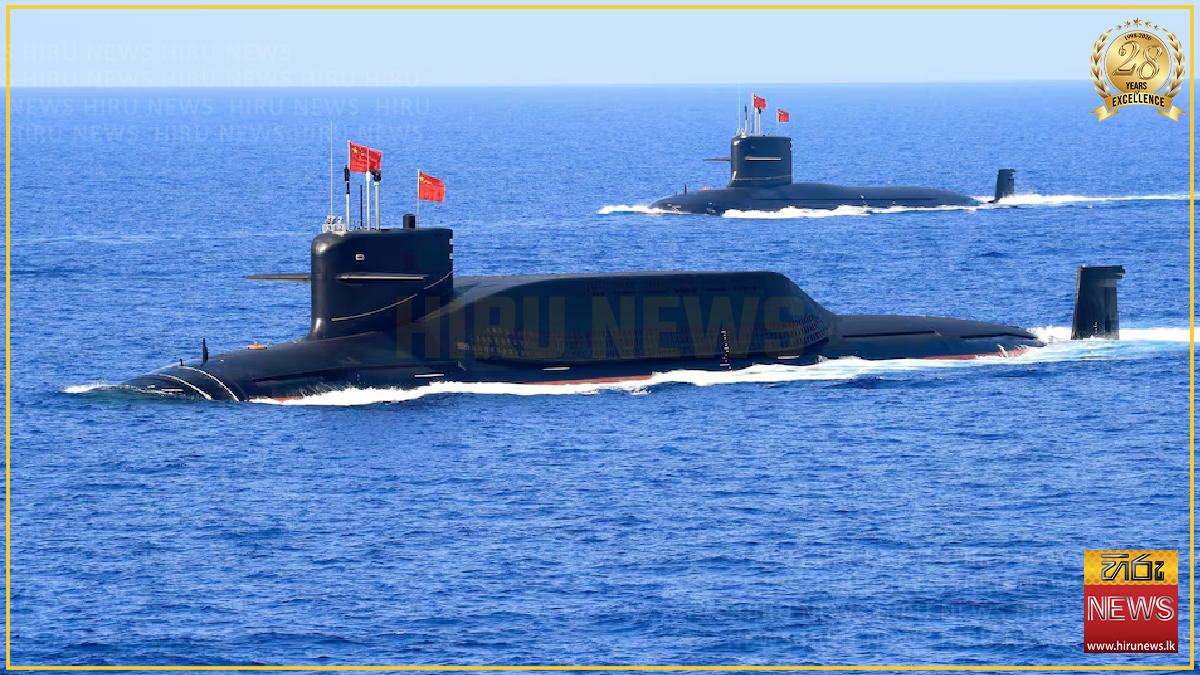
China demonstrates key undersea missile capability
Passenger nearly sucked out of mid-air

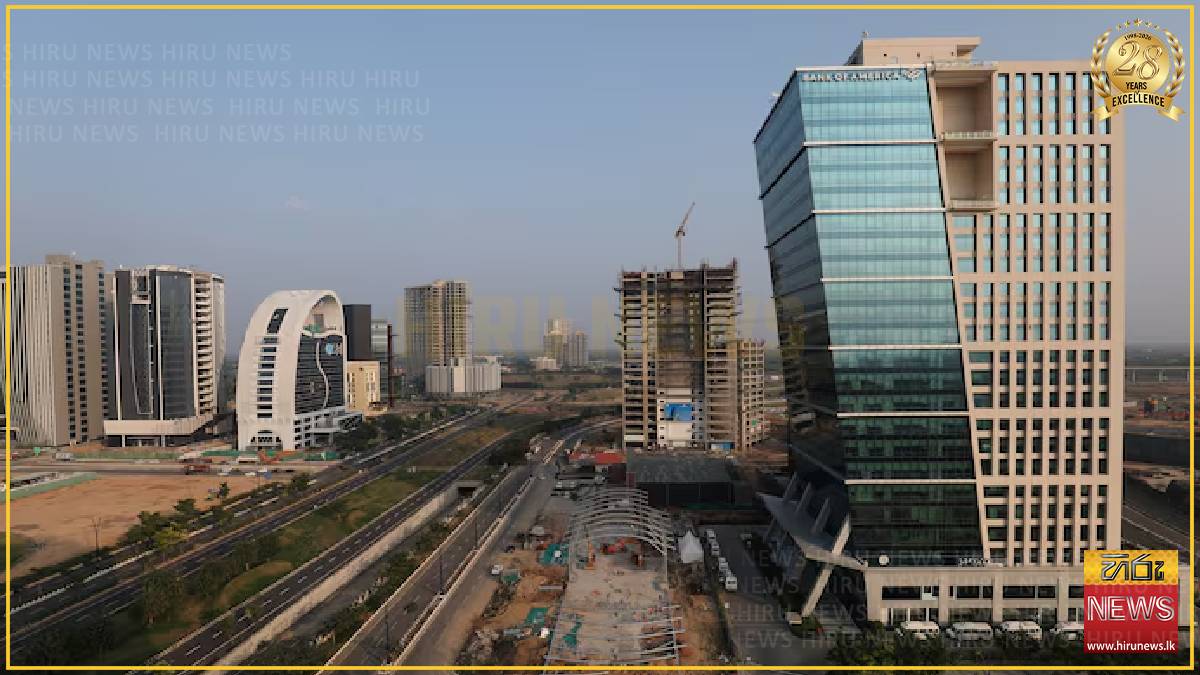
India exempts GIFT City units from licensing
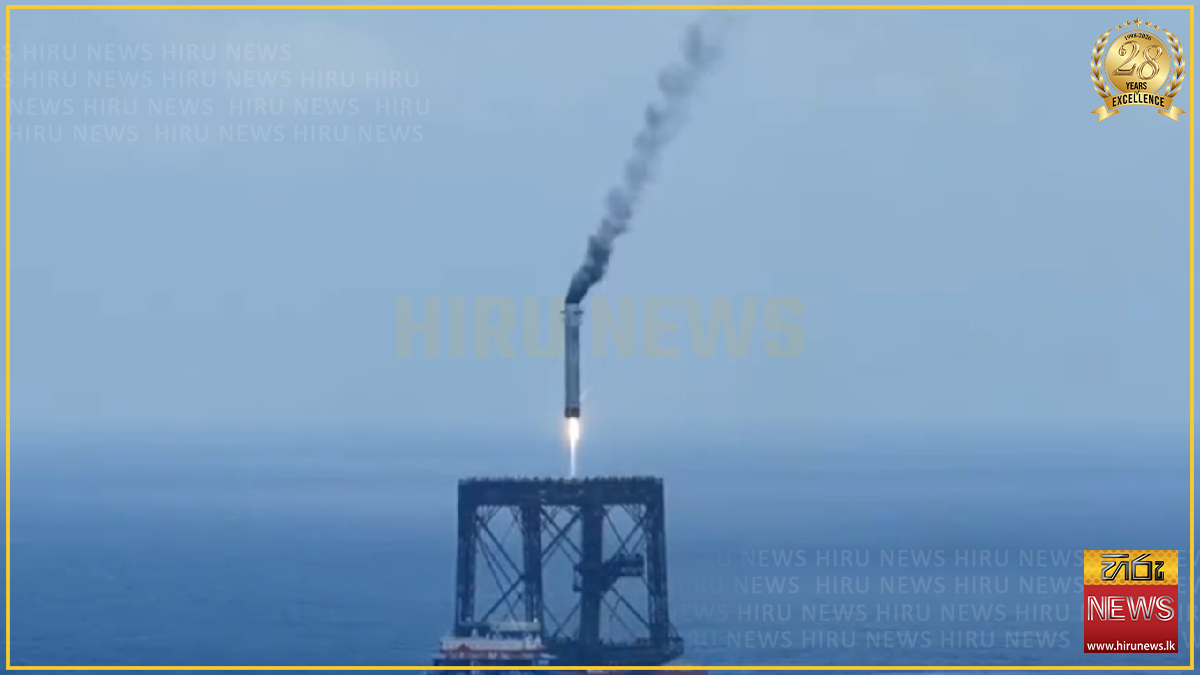
China lands reusable rocket for first time
Stranded oil tankers finally reach S’pore after months stuck in Mid-East
Japanese Government wants academics collaborating on defence research

England advised to avoid alcohol around matches

UK loses case over asylum seeker rejections
Sri Lanka and Pakistan to strengthen aviation, maritime cooperation