Share Post


Two tankers carrying crude oil have arrived in Singapore after being stranded in the Middle East for months, pointing to the resumption of activity in a critical waterway since the US and Iran reached an interim peace agreement in June, ship-tracking data shows.
But analysts said the pick-up in traffic in the Strait of Hormuz, through which around a fifth of the world’s oil and gas supplies usually pass, could be transient.
United States President Donald Trump earlier this week declared that the temporary ceasefire between the US and Iran was “over” while leaving the door open to talks, as Washington and Tehran traded strikes in a battle over the strait.
The Strait of Hormuz had been effectively closed for months since the outbreak of the Iran war in February, until US and Iranian officials on June 14 announced a preliminary pact for the reopening of the waterway.
Some vessels that had been stuck in the Middle East had then taken the chance to leave the strait, bringing traffic to between one-fifth and one-third of pre-war levels, according to estimates cited by major news agencies.
Among them were two oil tankers bound for Singapore, which took as long as four months to arrive, global data and analytics platform Kpler told The Straits Times.
A crude shipment from the Middle East typically takes two to three weeks to reach Singapore under normal conditions, said Fabian Ng, head of crude pricing for Asia at price-reporting agency Argus Media.
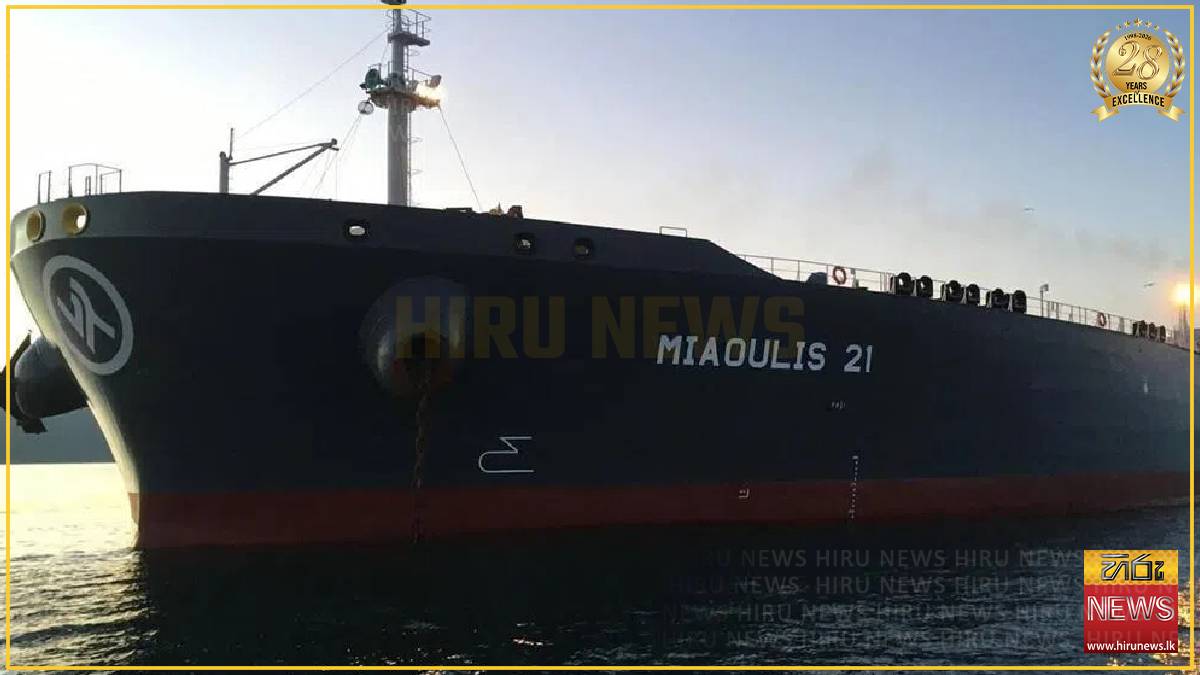
Miaoulis 21, a Greece-flagged oil tanker, was carrying one million barrels of Basrah Medium crude, which can be refined into petrol, diesel, jet fuel and kerosene.
The tanker, controlled by French giant TotalEnergies, was loaded at a port in southern Iraq on February 26, two days before the US and Israel carried out their first strikes on Iran.
Miaoulis 21 arrived in Singapore and discharged its oil on July 4 at Aster Bukom complex, operated by Aster Chemicals and Energy, a joint venture between Indonesia’s Chandra Asri and commodities major Glencore, according to Kpler’s vessel tracking data.
-The Strait Times
But analysts said the pick-up in traffic in the Strait of Hormuz, through which around a fifth of the world’s oil and gas supplies usually pass, could be transient.
United States President Donald Trump earlier this week declared that the temporary ceasefire between the US and Iran was “over” while leaving the door open to talks, as Washington and Tehran traded strikes in a battle over the strait.
The Strait of Hormuz had been effectively closed for months since the outbreak of the Iran war in February, until US and Iranian officials on June 14 announced a preliminary pact for the reopening of the waterway.
Some vessels that had been stuck in the Middle East had then taken the chance to leave the strait, bringing traffic to between one-fifth and one-third of pre-war levels, according to estimates cited by major news agencies.
Among them were two oil tankers bound for Singapore, which took as long as four months to arrive, global data and analytics platform Kpler told The Straits Times.
A crude shipment from the Middle East typically takes two to three weeks to reach Singapore under normal conditions, said Fabian Ng, head of crude pricing for Asia at price-reporting agency Argus Media.
Miaoulis 21, a Greece-flagged oil tanker, was carrying one million barrels of Basrah Medium crude, which can be refined into petrol, diesel, jet fuel and kerosene.
The tanker, controlled by French giant TotalEnergies, was loaded at a port in southern Iraq on February 26, two days before the US and Israel carried out their first strikes on Iran.
Miaoulis 21 arrived in Singapore and discharged its oil on July 4 at Aster Bukom complex, operated by Aster Chemicals and Energy, a joint venture between Indonesia’s Chandra Asri and commodities major Glencore, according to Kpler’s vessel tracking data.
-The Strait Times
Latest News
Hungary to set up anti-corruption office
Local
10 July 2026

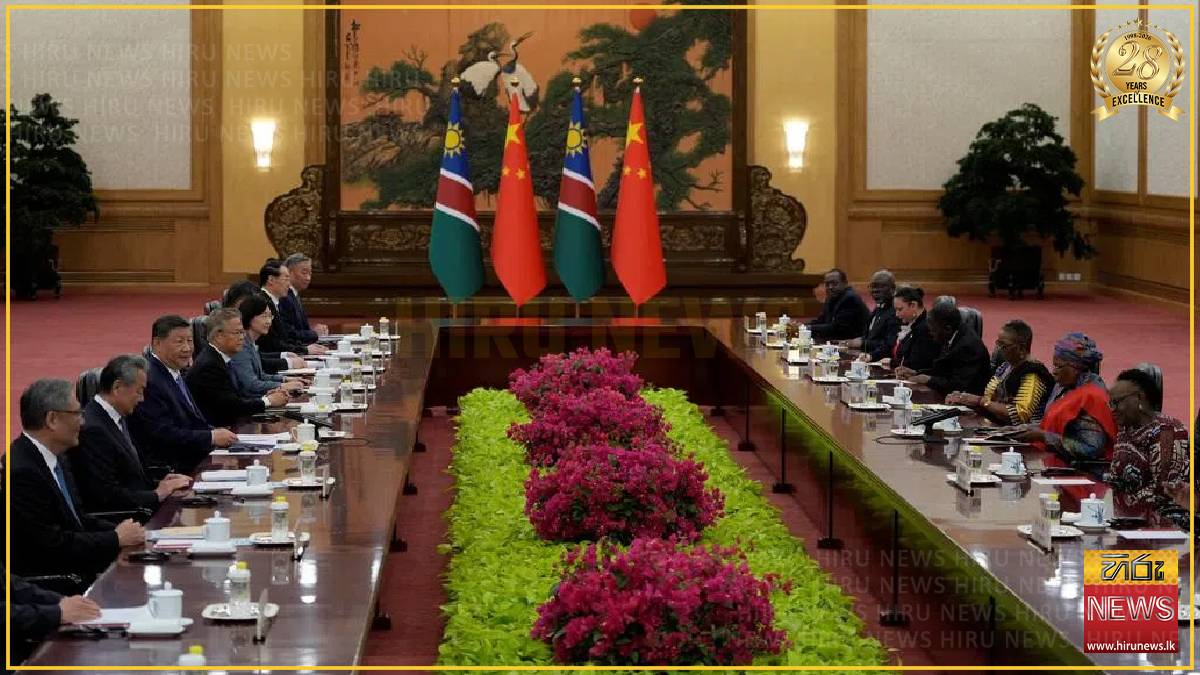
Namibia secures China deals on infrastructure, mining and energy
Local
10 July 2026
Edwards leaves role as CEO of football at FSG
Local
10 July 2026

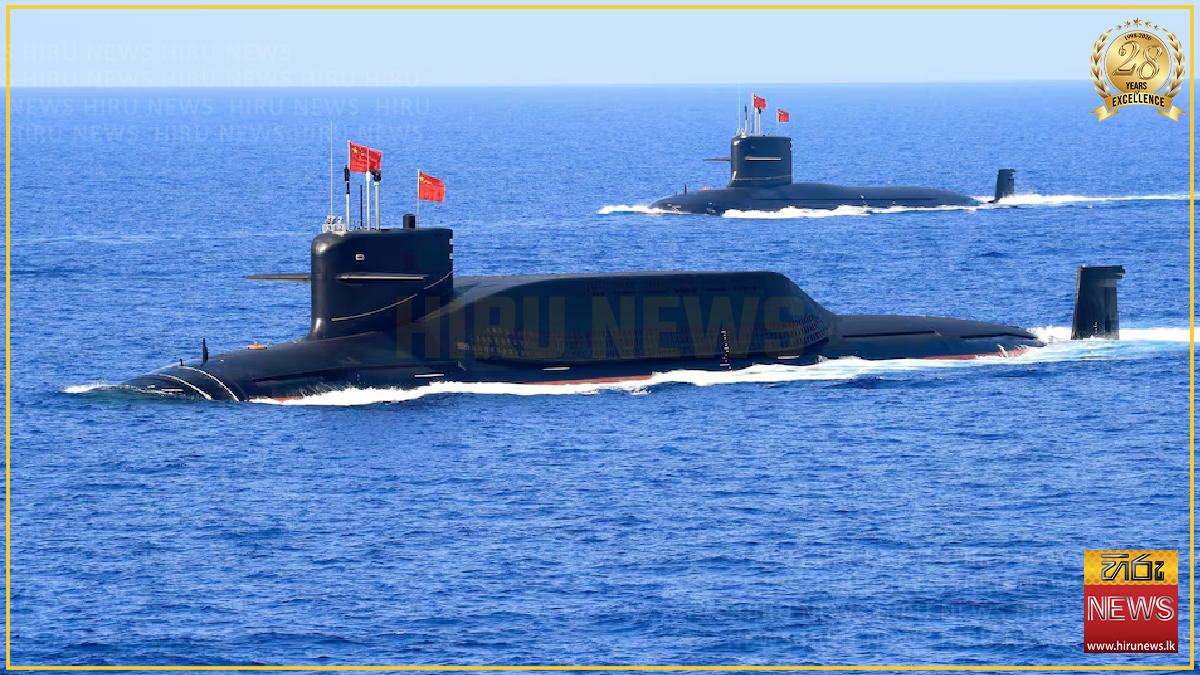
China demonstrates key undersea missile capability
Local
10 July 2026
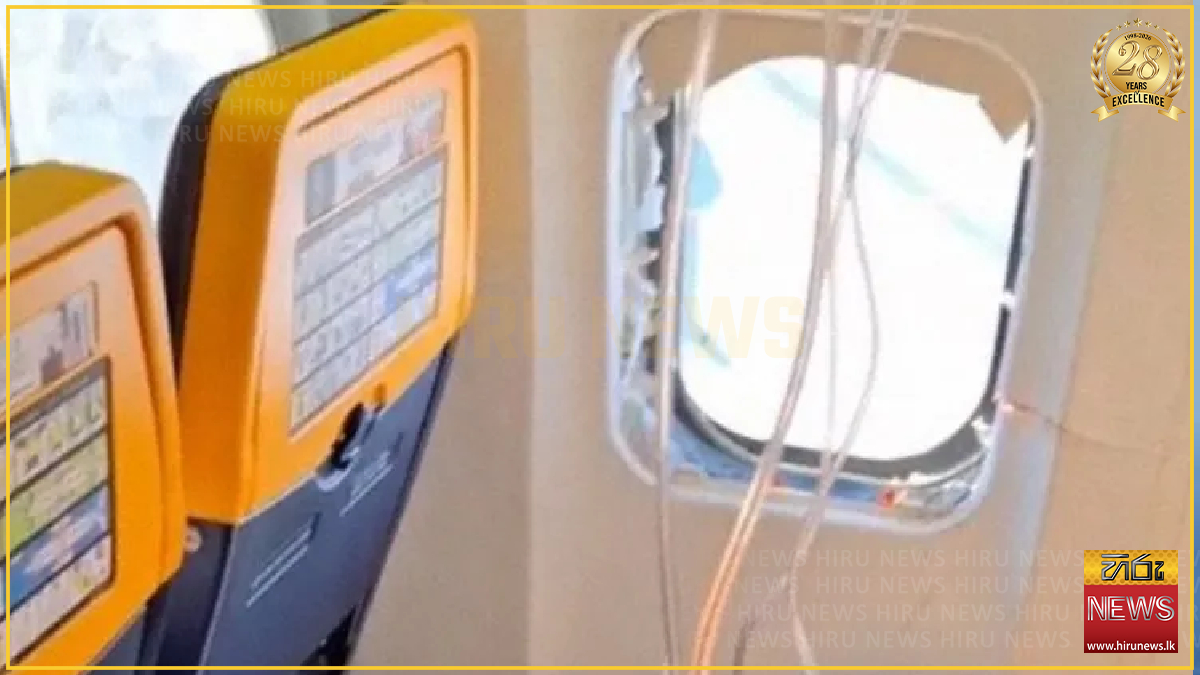
Passenger nearly sucked out of mid-air
Local
10 July 2026
India exempts GIFT City units from licensing
Local
10 July 2026

China lands reusable rocket for first time
Local
10 July 2026
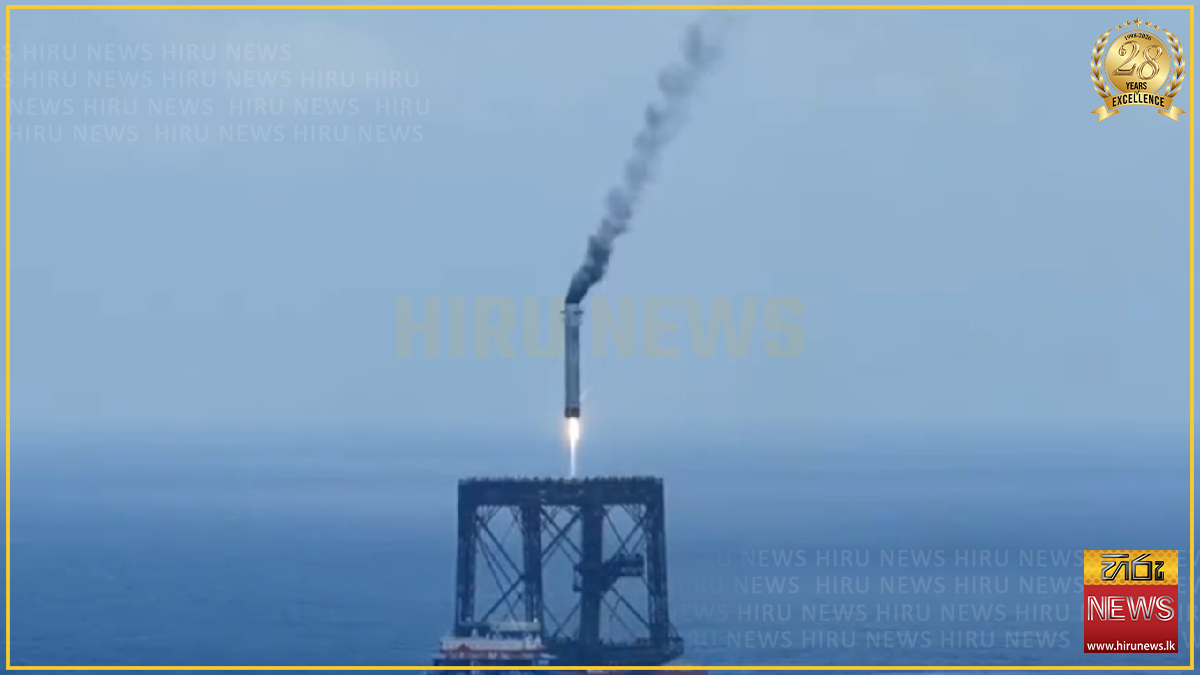
Stranded oil tankers finally reach S’pore after months stuck in Mid-East
Local
10 July 2026
Japanese Government wants academics collaborating on defence research
Local
10 July 2026

England advised to avoid alcohol around matches
Local
10 July 2026