


Share Post


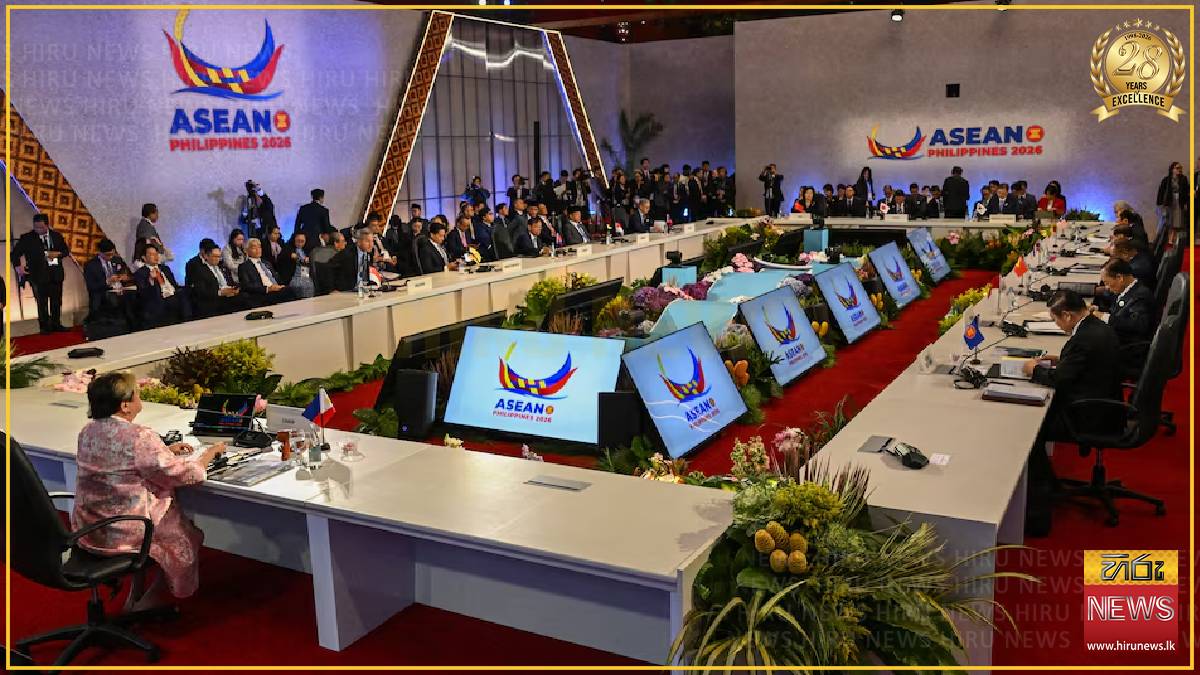
Top diplomats from Asia, Europe and North America gathered on Thursday for the security-focused ASEAN Regional Forum in Manila, where ministers were expected to issue calls for a peaceful settlement after renewed and intensifying hostilities in the Middle East.
The war in Iran and the blockade of the Strait of Hormuz could dominate discussions at the plenary event, which will be attended by U.S. Secretary of State Marco Rubio, Russia's Foreign Minister Sergei Lavrov, European Union foreign policy chief Kaja Kallas and top officials from China, Australia, India, Japan, Britain and others.
The war has been a key talking point in the gathering hosted by the 11-member Association of Southeast
Asian Nations, a region with a combined gross domestic product of about $3.8 trillion that is heavily reliant on Middle East oil and particularly exposed to the fallout, which has stoked inflation around the world.
"The world has entered a new period of turbulence and transformation," China's Vice Foreign Minister Hua Chunying said in opening remarks at a forum on Thursday between ASEAN, Japan, South Korea and China.
"The situation in the Middle East has spilled over into energy and food supply chains, and security and resilience have been disrupted ... demand for maintaining peace and stability has become more urgent," she said.
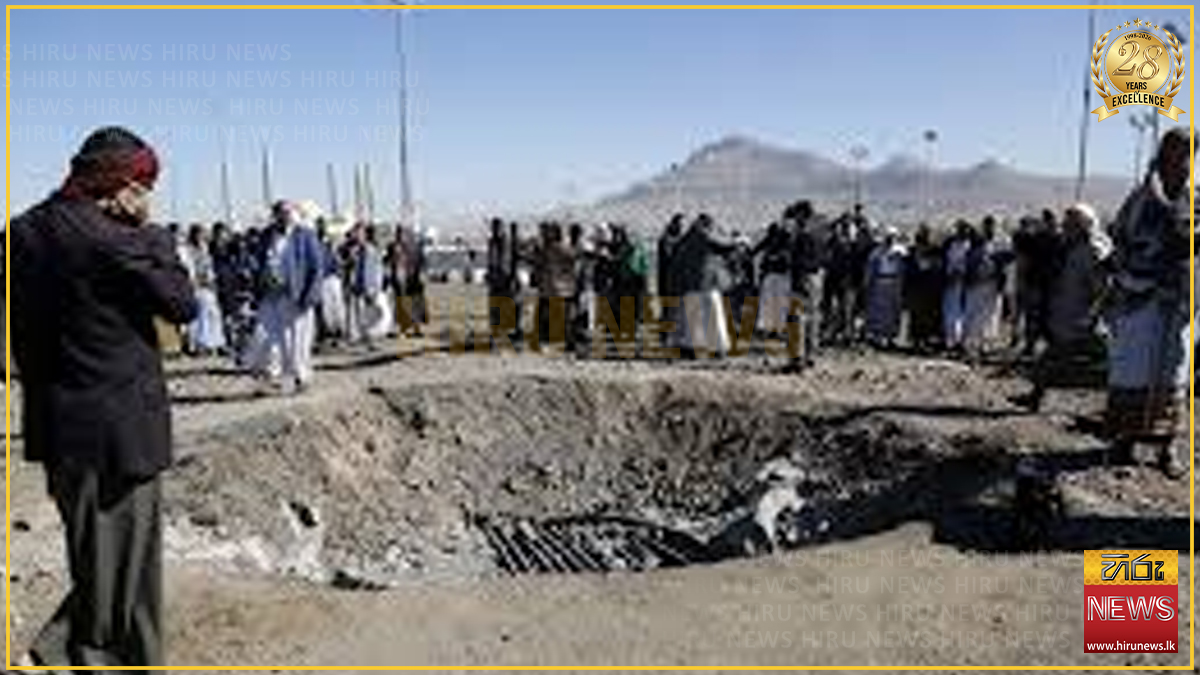
It has been 12 days since the Middle East ceasefire collapsed, and the U.S. military launched attacks for a 12th successive night on Thursday. Iranian-aligned Houthis also claimed hits on two Saudi oil tankers as part of a blockade that risks forming a second chokehold on global oil supplies at the Red Sea, alongside the Strait of Hormuz.
Rubio said on Wednesday that the United States wanted a diplomatic solution, but Tehran was not playing ball.
"The problem we're having right now is that they're not serious about talks," he told ASEAN ministers.
RUBIO TO HOLD TALKS WITH LAVROV
Rubio was due to meet Russia's Lavrov on Thursday and said he would discuss the Ukraine war, adding that Washington was looking to play a constructive role in ending it.
Another focal point of talks in Manila has been the South China Sea and long-running tension between Beijing and U.S. ally the Philippines, which Washington is treaty-bound to defend in the event of an attack on its vessels.
China's coast guard, deployed widely for years and in vast numbers far off its mainland, was involved in a brief altercation with Philippine navy personnel on Monday near a disputed reef in Manila's exclusive economic zone, prompting both countries to summon each other's ambassadors.
Beijing claims sovereignty over almost the entire South China Sea via a line on its maps that cuts
into parts of the EEZs of Brunei, Indonesia, Malaysia, the Philippines, and Vietnam. China does not recognise a 2016 arbitration ruling that said those claims had no basis under international law.
China's Foreign Minister Wang Yi, meeting ASEAN counterparts on Wednesday, described the South China Sea as "our common home" and said cooperation and friendship should be the narrative.
Regional countries should "resist the incitement of foreign forces, oppose individual countries using the sea to make trouble, and firmly take the leading position to maintain peace and stability in the South China Sea in their own hands", he said, according to an official statement.
-Reuters
The war in Iran and the blockade of the Strait of Hormuz could dominate discussions at the plenary event, which will be attended by U.S. Secretary of State Marco Rubio, Russia's Foreign Minister Sergei Lavrov, European Union foreign policy chief Kaja Kallas and top officials from China, Australia, India, Japan, Britain and others.
The war has been a key talking point in the gathering hosted by the 11-member Association of Southeast
Asian Nations, a region with a combined gross domestic product of about $3.8 trillion that is heavily reliant on Middle East oil and particularly exposed to the fallout, which has stoked inflation around the world.
"The world has entered a new period of turbulence and transformation," China's Vice Foreign Minister Hua Chunying said in opening remarks at a forum on Thursday between ASEAN, Japan, South Korea and China.
"The situation in the Middle East has spilled over into energy and food supply chains, and security and resilience have been disrupted ... demand for maintaining peace and stability has become more urgent," she said.
It has been 12 days since the Middle East ceasefire collapsed, and the U.S. military launched attacks for a 12th successive night on Thursday. Iranian-aligned Houthis also claimed hits on two Saudi oil tankers as part of a blockade that risks forming a second chokehold on global oil supplies at the Red Sea, alongside the Strait of Hormuz.
Rubio said on Wednesday that the United States wanted a diplomatic solution, but Tehran was not playing ball.
"The problem we're having right now is that they're not serious about talks," he told ASEAN ministers.
RUBIO TO HOLD TALKS WITH LAVROV
Rubio was due to meet Russia's Lavrov on Thursday and said he would discuss the Ukraine war, adding that Washington was looking to play a constructive role in ending it.
Another focal point of talks in Manila has been the South China Sea and long-running tension between Beijing and U.S. ally the Philippines, which Washington is treaty-bound to defend in the event of an attack on its vessels.
China's coast guard, deployed widely for years and in vast numbers far off its mainland, was involved in a brief altercation with Philippine navy personnel on Monday near a disputed reef in Manila's exclusive economic zone, prompting both countries to summon each other's ambassadors.
Beijing claims sovereignty over almost the entire South China Sea via a line on its maps that cuts
into parts of the EEZs of Brunei, Indonesia, Malaysia, the Philippines, and Vietnam. China does not recognise a 2016 arbitration ruling that said those claims had no basis under international law.
China's Foreign Minister Wang Yi, meeting ASEAN counterparts on Wednesday, described the South China Sea as "our common home" and said cooperation and friendship should be the narrative.
Regional countries should "resist the incitement of foreign forces, oppose individual countries using the sea to make trouble, and firmly take the leading position to maintain peace and stability in the South China Sea in their own hands", he said, according to an official statement.
-Reuters
Latest News
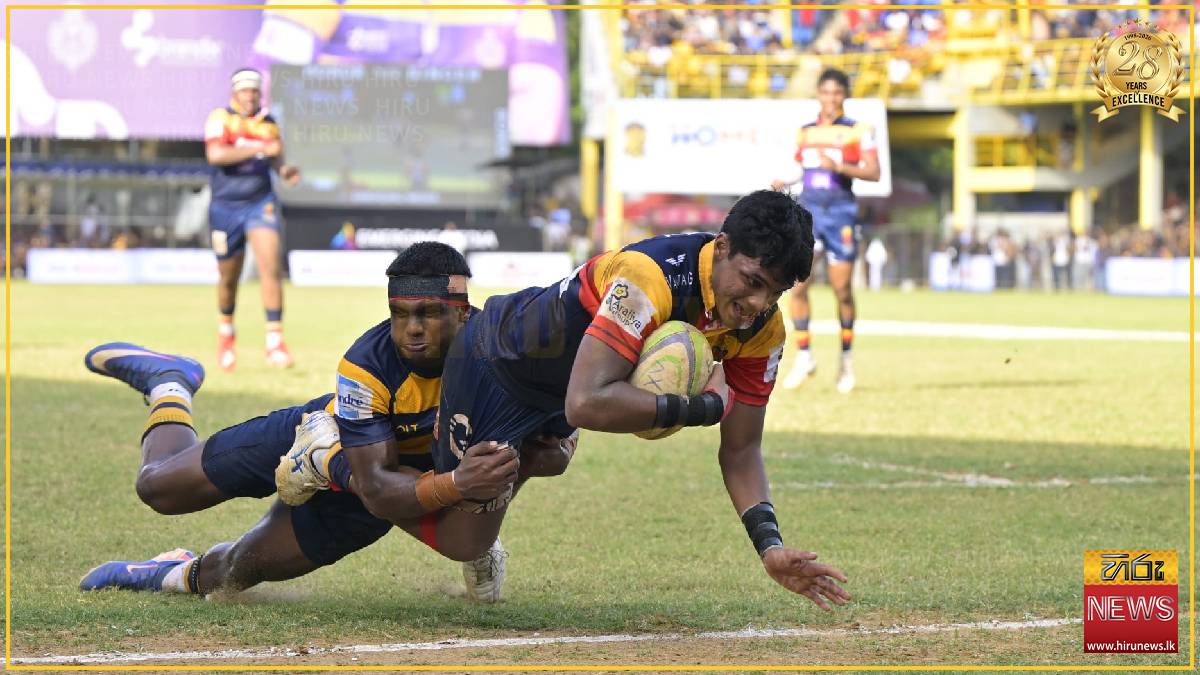
2nd Leg of the 80th Bradby Shield today
Local
25 July 2026
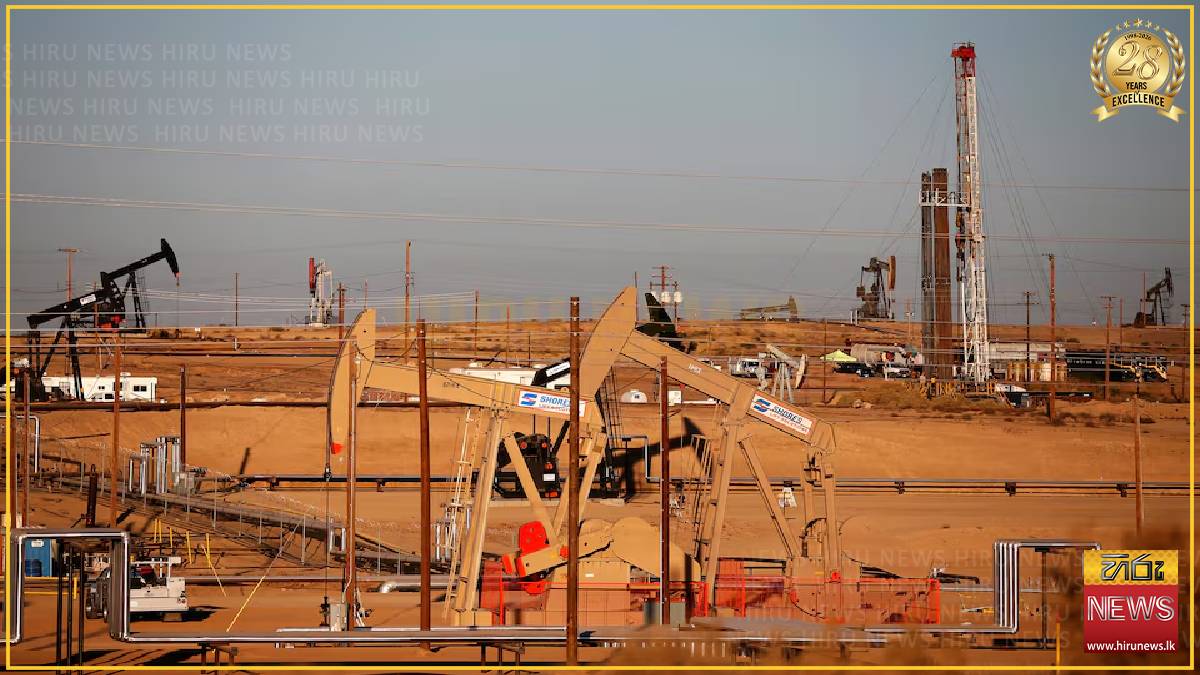
Barclays warns oil prices could surge to USD 150 a barrel over Hormuz impasses
Local
25 July 2026
Major US airlines required to retrofit planes by 2030 to prevent 5G interference
Local
25 July 2026

NATO intern arrested in Belgium on spying charge
Local
25 July 2026
Romania shoots down second drone near Ukraine border in 2 days
Local
25 July 2026
Southern China braces for typhoon Noul, suspends public transport
Local
25 July 2026
Italy offers Ukraine’s ex-defence minister advisory role
Local
25 July 2026
India's education minister resigns
Local
25 July 2026

Six Tamil parties seek meeting with President
Local
25 July 2026
Iran-backed Houthis claim missile attack on Saudi Arabia
Local
25 July 2026