


Share Post


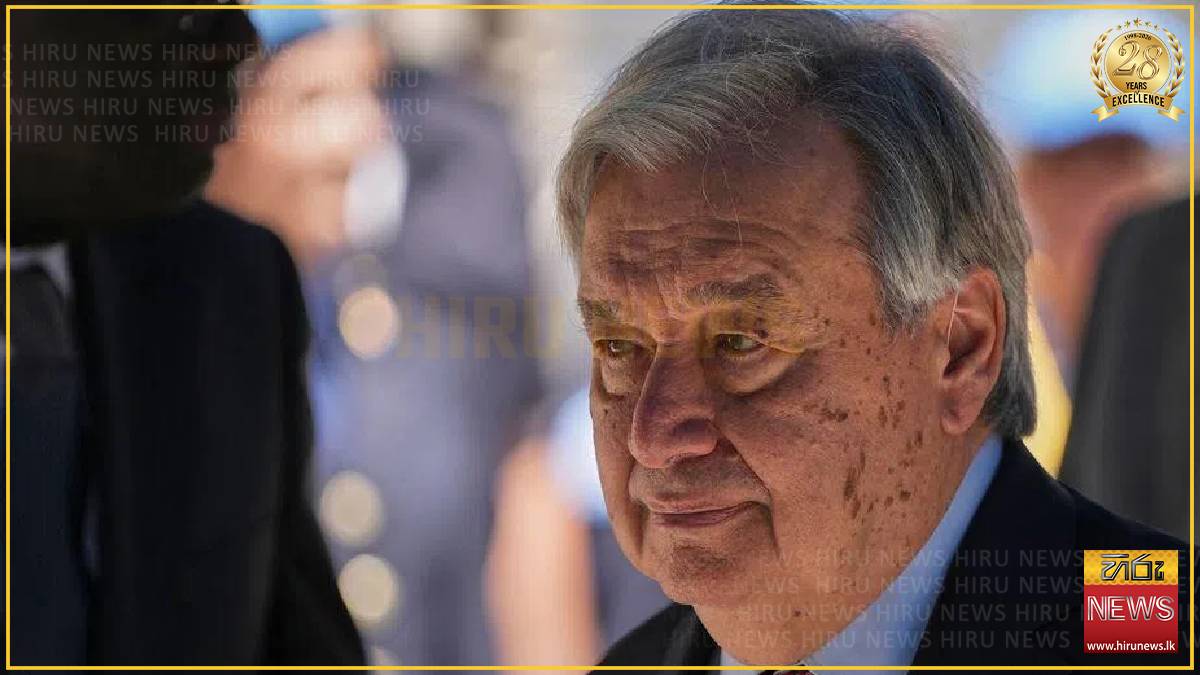
UN chief Antonio Guterres said he held “very constructive” separate meetings with rival Cypriot leaders on July 28, ahead of trilateral meetings to weigh the prospect of fresh negotiations nine years after the peace process collapsed.
With less than six months until the end of his term in office, Guterres flew to the divided Mediterranean island on the first visit by a UN secretary general since Ban Ki-moon’s visit in 2010.
“I had two very constructive meetings with the leaders of the two communities,” he said after separate talks with President Nikos Christodoulides of the Republic of Cyprus and his counterpart from the self-declared Turkish Republic of Northern Cyprus (TRNC), Tufan Erhurman, who was elected in October.
Guterres said he was there to show “solidarity with the people of Cyprus” and his commitment to “finding, or helping to find – both with the Cypriots but also with the guarantors – a solution”.
Decades of UN-backed talks have failed to reunify the divided island, with the last major round of peace talks in Switzerland collapsing in July 2017.
Christodoulides’ spokesman Konstantinos Letymbiotis said the pair held “a substantive and sincere discussion” and expressed hope it would lead to concrete developments by the year’s end when Guterres’s mandate ends.
For his part, the Turkish Cypriot leader also said he held a “constructive meeting” with Guterres, adding that the aim was “to do something different” to avoid the failures of 2004 and 2017.
“We are working on a new and realistic methodology, let’s say, which will help us reach our common aim to do something different this time after the experiences of 2004 and 2017,” Erhurman said.
‘The UN can’t impose peace’
After follow-up meetings with civil society figures and others, Guterres hosted the pair for a private dinner in the evening.
“The only thing I want to say is to express my wish and hope that tonight’s discussion will be as good as the discussion we had this morning,” Christodoulides said ahead of the dinner.
On Wednesday, there will be a trilateral meeting followed by a press statement.
“The UN cannot impose peace. Only Cypriots, through their leaders, can build it,” Guterres wrote on X after landing.
Cyprus has been divided since 1974, when Ankara occupied its northern third in response to an Athens-engineered Greek Cypriot coup seeking union with Greece.
Today it comprises the TRNC, which is only recognised by Ankara, and the internationally recognised Republic of Cyprus, an EU member that controls the island’s majority Greek Cypriot south.
Cyprus analyst Ayla Gurel said three factors had likely contributed to the timing: Guterres’ looming departure, the election of Erhurman “who is interested in pursuing this negotiation process in a more constructive way” and Turkey pushing “to further its own various strategic interests”, notably with Europe.
“There is an interest on the European side because they are tired of the Cyprus problem getting in the way of their relationship with Turkey, so they must have also warmed up to this idea,” she told AFP.
Observers say no meaningful progress on Cyprus is possible without Ankara’s backing because of Turkey’s status as a guarantor power.
“This is quite unusual for a UN Secretary General to visit but I don’t expect much from these meeting – we don’t know enough about Turkey’s intentions or what’s going on behind closed doors with Europe,” Gurel said.
The two rival leaders first met in December, when they signalled a fresh commitment to reviving the long-stalled peace process in the presence of Guterres’s envoy Maria Angela Holguin.
That meeting was just after Erhurman won a landslide victory in elections in northern Cyprus, beating the Ankara-backed outgoing president Ersin Tatar, who backed a two-state solution.
By contrast, Erhurman, who advocates reunification of the island, had campaigned for the resumption of negotiations with the Greek Cypriots.
Turkey’s position has hardened in recent years, with President Recep Tayyip Erdogan firmly backing a two-state solution over UN-led efforts to reunify the island as a bi-communal federal state.
-AFP
With less than six months until the end of his term in office, Guterres flew to the divided Mediterranean island on the first visit by a UN secretary general since Ban Ki-moon’s visit in 2010.
“I had two very constructive meetings with the leaders of the two communities,” he said after separate talks with President Nikos Christodoulides of the Republic of Cyprus and his counterpart from the self-declared Turkish Republic of Northern Cyprus (TRNC), Tufan Erhurman, who was elected in October.
Guterres said he was there to show “solidarity with the people of Cyprus” and his commitment to “finding, or helping to find – both with the Cypriots but also with the guarantors – a solution”.
Decades of UN-backed talks have failed to reunify the divided island, with the last major round of peace talks in Switzerland collapsing in July 2017.
Christodoulides’ spokesman Konstantinos Letymbiotis said the pair held “a substantive and sincere discussion” and expressed hope it would lead to concrete developments by the year’s end when Guterres’s mandate ends.
For his part, the Turkish Cypriot leader also said he held a “constructive meeting” with Guterres, adding that the aim was “to do something different” to avoid the failures of 2004 and 2017.
“We are working on a new and realistic methodology, let’s say, which will help us reach our common aim to do something different this time after the experiences of 2004 and 2017,” Erhurman said.
‘The UN can’t impose peace’
After follow-up meetings with civil society figures and others, Guterres hosted the pair for a private dinner in the evening.
“The only thing I want to say is to express my wish and hope that tonight’s discussion will be as good as the discussion we had this morning,” Christodoulides said ahead of the dinner.
On Wednesday, there will be a trilateral meeting followed by a press statement.
“The UN cannot impose peace. Only Cypriots, through their leaders, can build it,” Guterres wrote on X after landing.
Cyprus has been divided since 1974, when Ankara occupied its northern third in response to an Athens-engineered Greek Cypriot coup seeking union with Greece.
Today it comprises the TRNC, which is only recognised by Ankara, and the internationally recognised Republic of Cyprus, an EU member that controls the island’s majority Greek Cypriot south.
Cyprus analyst Ayla Gurel said three factors had likely contributed to the timing: Guterres’ looming departure, the election of Erhurman “who is interested in pursuing this negotiation process in a more constructive way” and Turkey pushing “to further its own various strategic interests”, notably with Europe.
“There is an interest on the European side because they are tired of the Cyprus problem getting in the way of their relationship with Turkey, so they must have also warmed up to this idea,” she told AFP.
Observers say no meaningful progress on Cyprus is possible without Ankara’s backing because of Turkey’s status as a guarantor power.
“This is quite unusual for a UN Secretary General to visit but I don’t expect much from these meeting – we don’t know enough about Turkey’s intentions or what’s going on behind closed doors with Europe,” Gurel said.
The two rival leaders first met in December, when they signalled a fresh commitment to reviving the long-stalled peace process in the presence of Guterres’s envoy Maria Angela Holguin.
That meeting was just after Erhurman won a landslide victory in elections in northern Cyprus, beating the Ankara-backed outgoing president Ersin Tatar, who backed a two-state solution.
By contrast, Erhurman, who advocates reunification of the island, had campaigned for the resumption of negotiations with the Greek Cypriots.
Turkey’s position has hardened in recent years, with President Recep Tayyip Erdogan firmly backing a two-state solution over UN-led efforts to reunify the island as a bi-communal federal state.
-AFP
Latest News
European wildfires likely to increase insurance demand, Swiss Re says
Local
29 July 2026
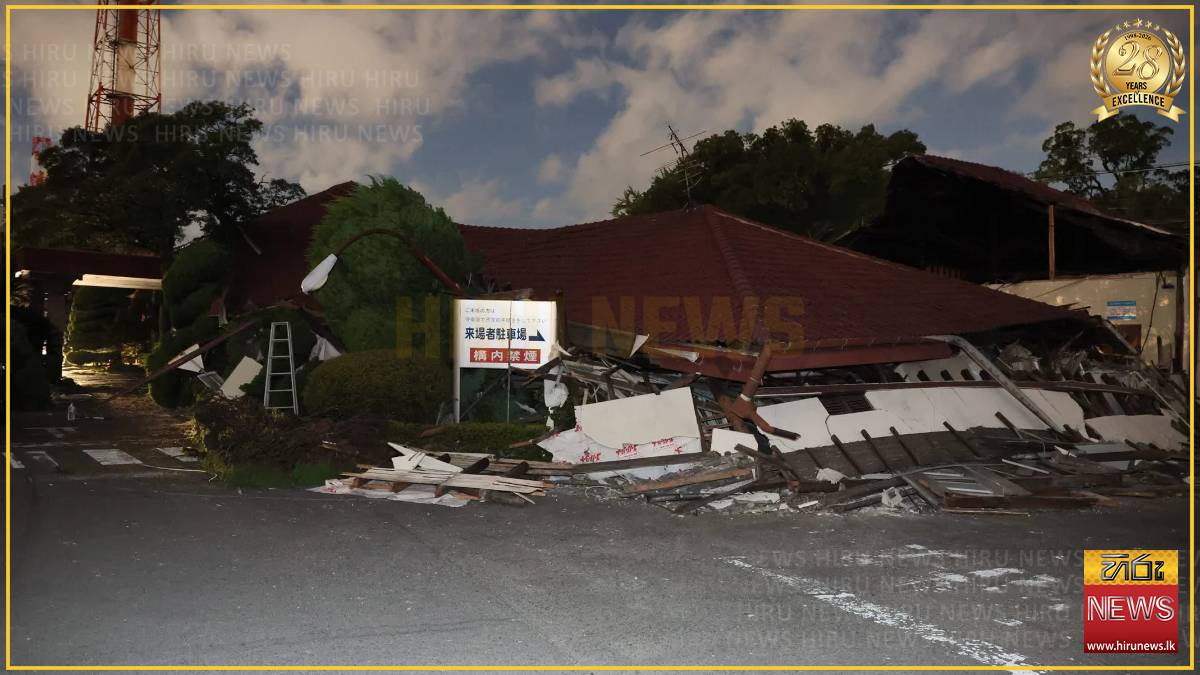
Japan quake sparks closure of more than 150 facilities in Kumamoto, local authorities say
Local
29 July 2026
RWE raises 2027 earnings forecast after strong first-half performance
Local
29 July 2026

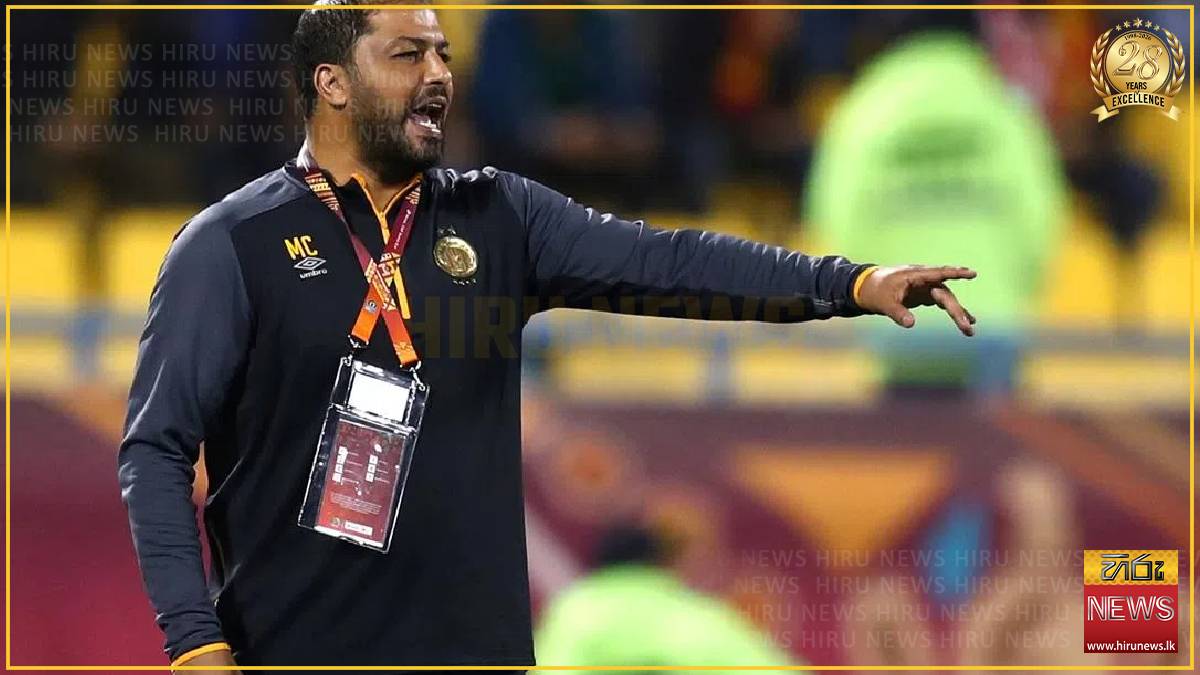
Tunisia appoint Chaabani as coach until 2030
Local
29 July 2026
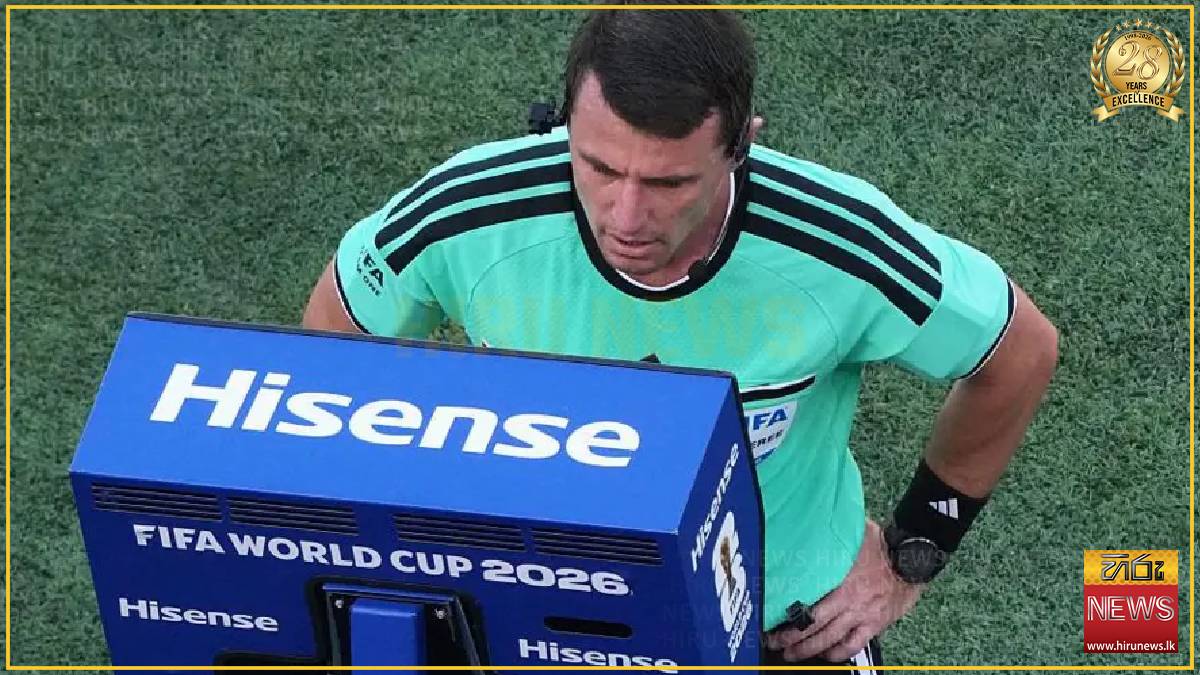
Only use VAR when error blatant - referee chiefs
Local
29 July 2026
UN chief meets rival Cyprus leaders, mulls prospects for talks
Local
29 July 2026
Trump administration to ban new Chinese robots and inverters, protecting US AI buildout
Local
29 July 2026

Trump, Zelenskiy and Netanyahu attend US Senator Lindsey Graham's funeral
Local
29 July 2026
Canadian dollar rebounds from two-week low ahead of Fed decision
Local
29 July 2026

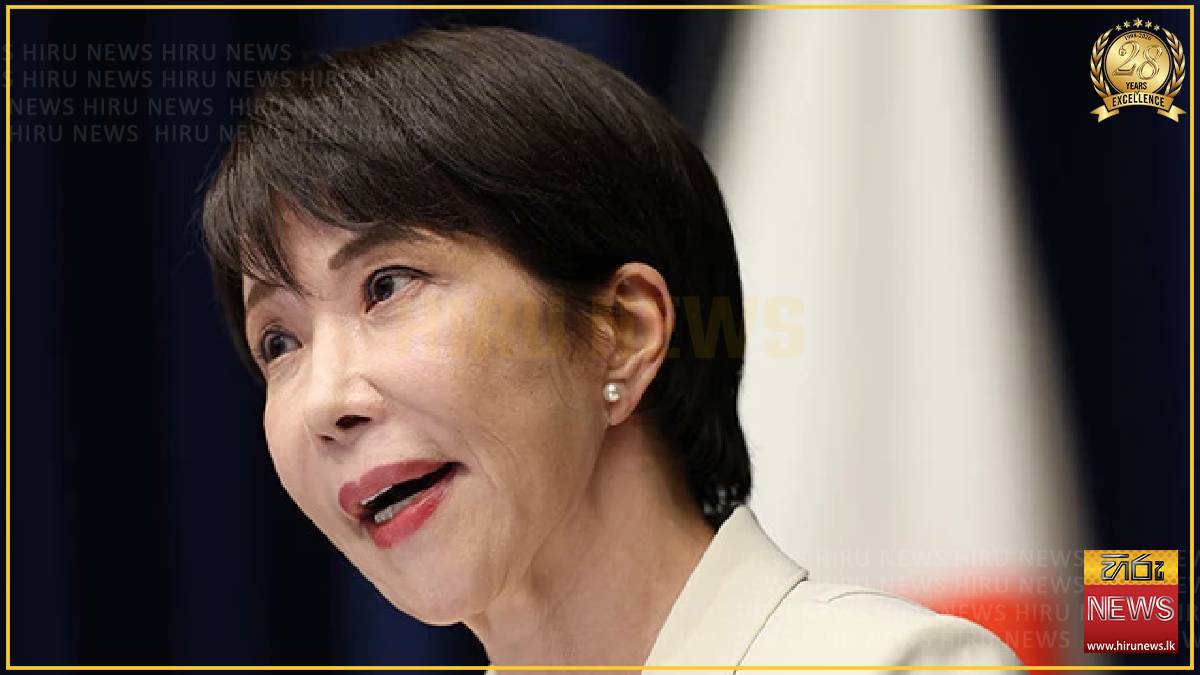
Takaichi to push 1% food tax plan after cross-party panel deadlocked
Local
29 July 2026